
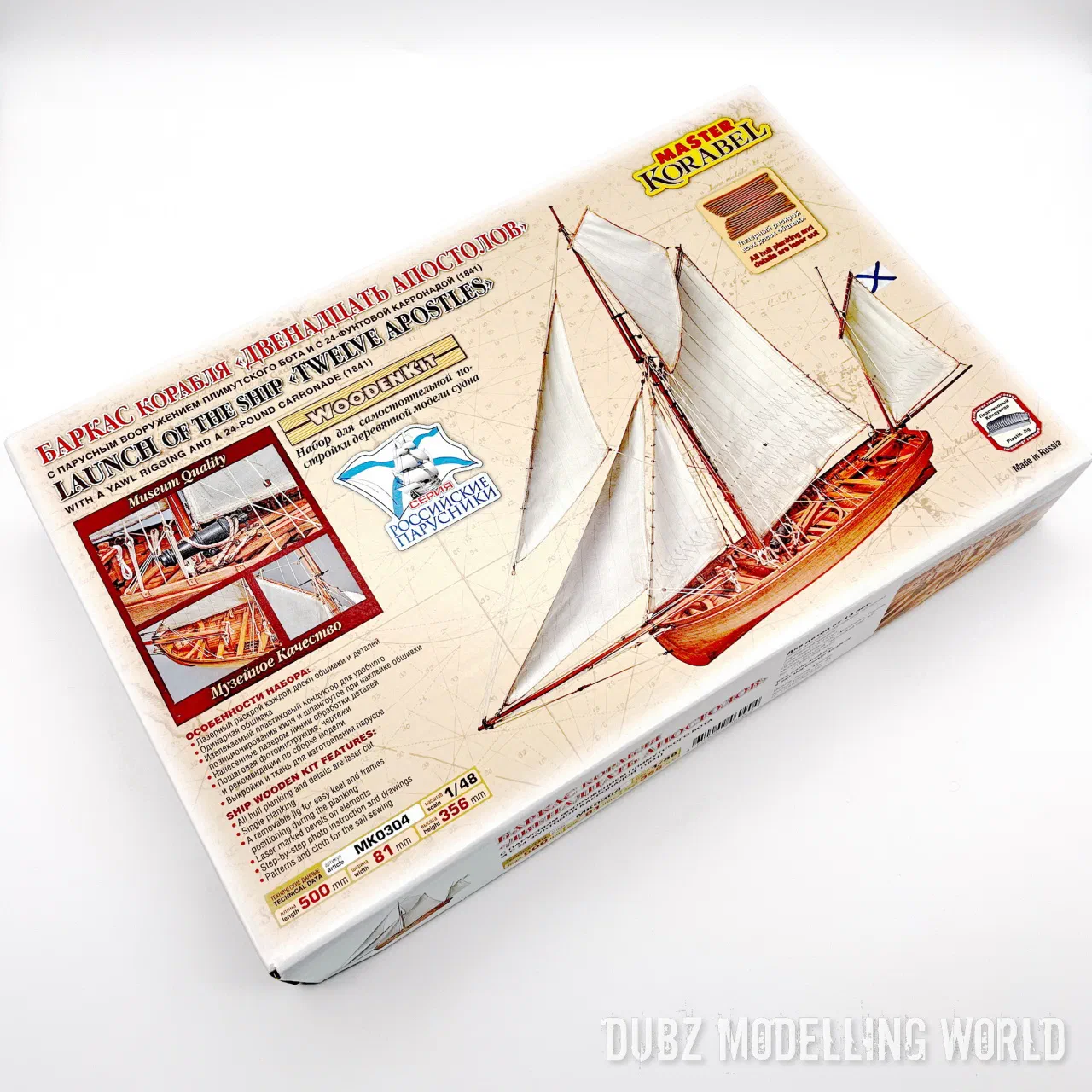
The boat
Master Korabel’s description of the kit (MK0304) gives a detailed history. First-rate ships of the Russian Imperial Navy – the Twelve Apostles, Paris, Grand Duke Constantine and others – carried large 20-oared longboats, 42 feet long, 12 feet wide and 4 feet 4 inches deep. The 120-gun Twelve Apostles, flagship of the Black Sea Fleet, was designed by Colonel I. D. Vorobyov, head of the Nikolaev Corps of Naval Engineers; construction was led by S. I. Chernyavsky.
Her commander, Captain 2nd Rank V. A. Kornilov, a hero of Navarino, won the support of Vice-Admiral M. P. Lazarev to rig the longboat not according to the establishment of 1840 but as a “Plymouth boat”. The larger sail area gave her speeds comparable to yachts and tenders, which meant fast landings and fast transport of cargo and people. A 24-pounder cast-iron carronade with 80 rounds gave a landing party fire support, and besides the rowers the longboat could carry up to 160 fully armed troops – a combat unit in her own right.
Besides the daily work of carrying people and cargo and laying out anchors, the longboat took part in exercises and races under sail and oars and in the landing operations of the Black Sea Fleet in the Caucasus. In 1847 she embarked troops at Odessa for the passage to Sevastopol, in 1849–1851 she was used for reconnaissance during the cruises of the Twelve Apostles along the Abkhazian coast, and during the defence of Sevastopol in 1854–1855 she belonged to the 24-hour division under Rear-Admiral Wolfe, guarding against fireships and watching enemy rowing boats.
The kit
In 1:48 the model is 500 mm long including spars, 356 mm high and 81 mm wide; Master Korabel rates it intermediate to advanced. The contents: a plywood jig, light pear sheets from 0.8 to 5 mm, a 0.6 mm maple veneer, two sheets of laser-cut planks, three photo-etched brass sheets (0.5, 0.3 and 0.2 mm), metal parts, the carronade, 3D-printed parts, 3 mm steel balls as shot and turned brass belaying pins. Everything is stored safely and tidily.
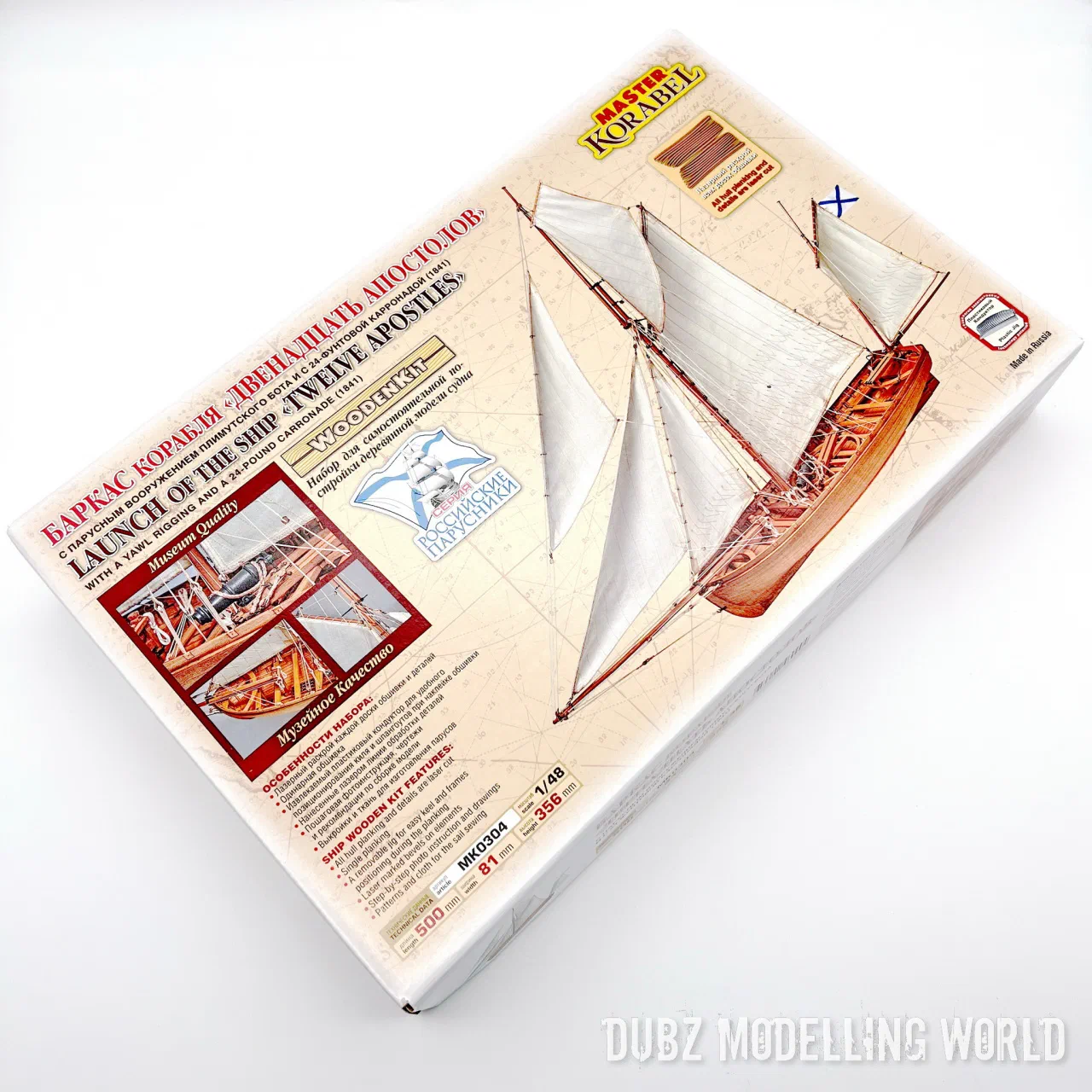

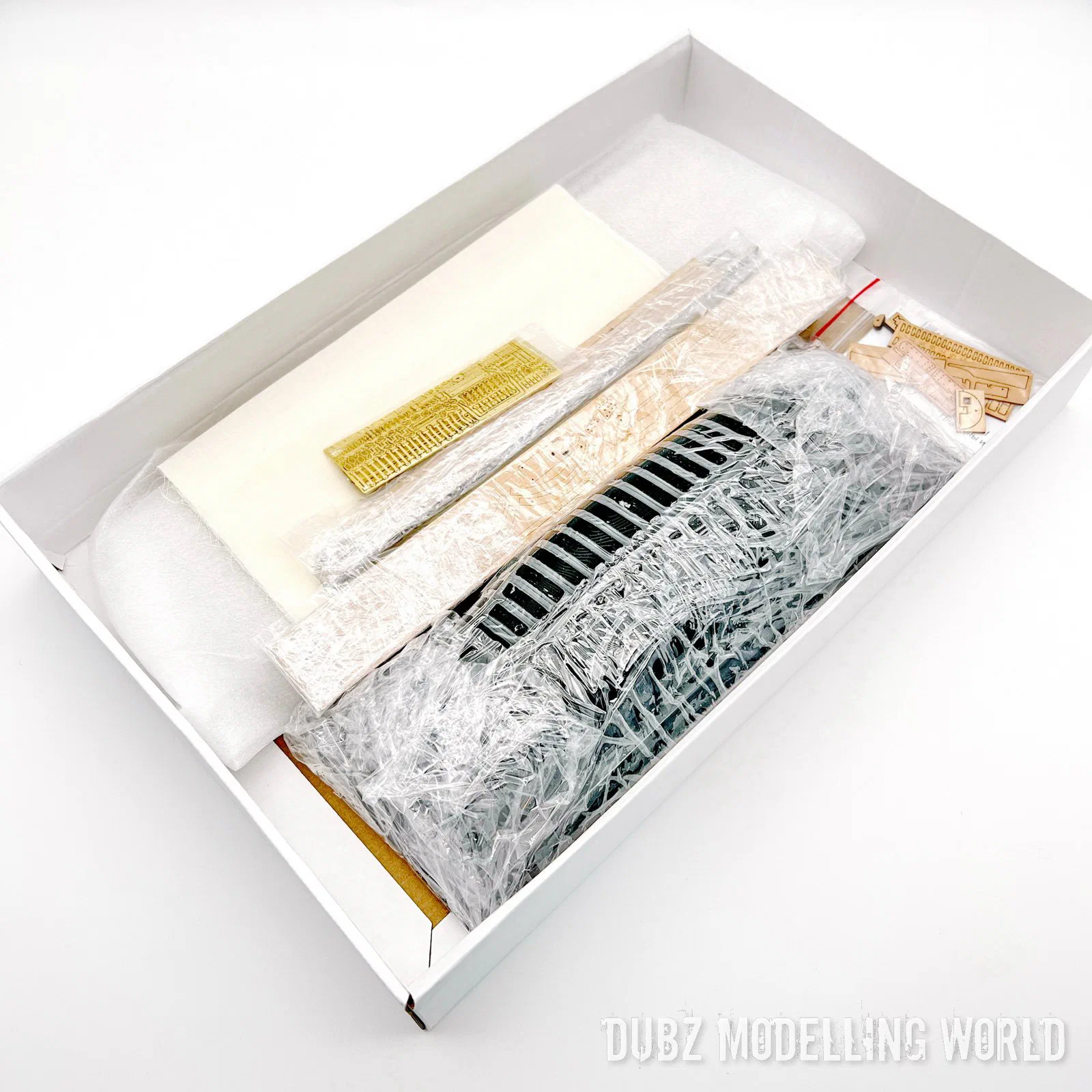
The building jig
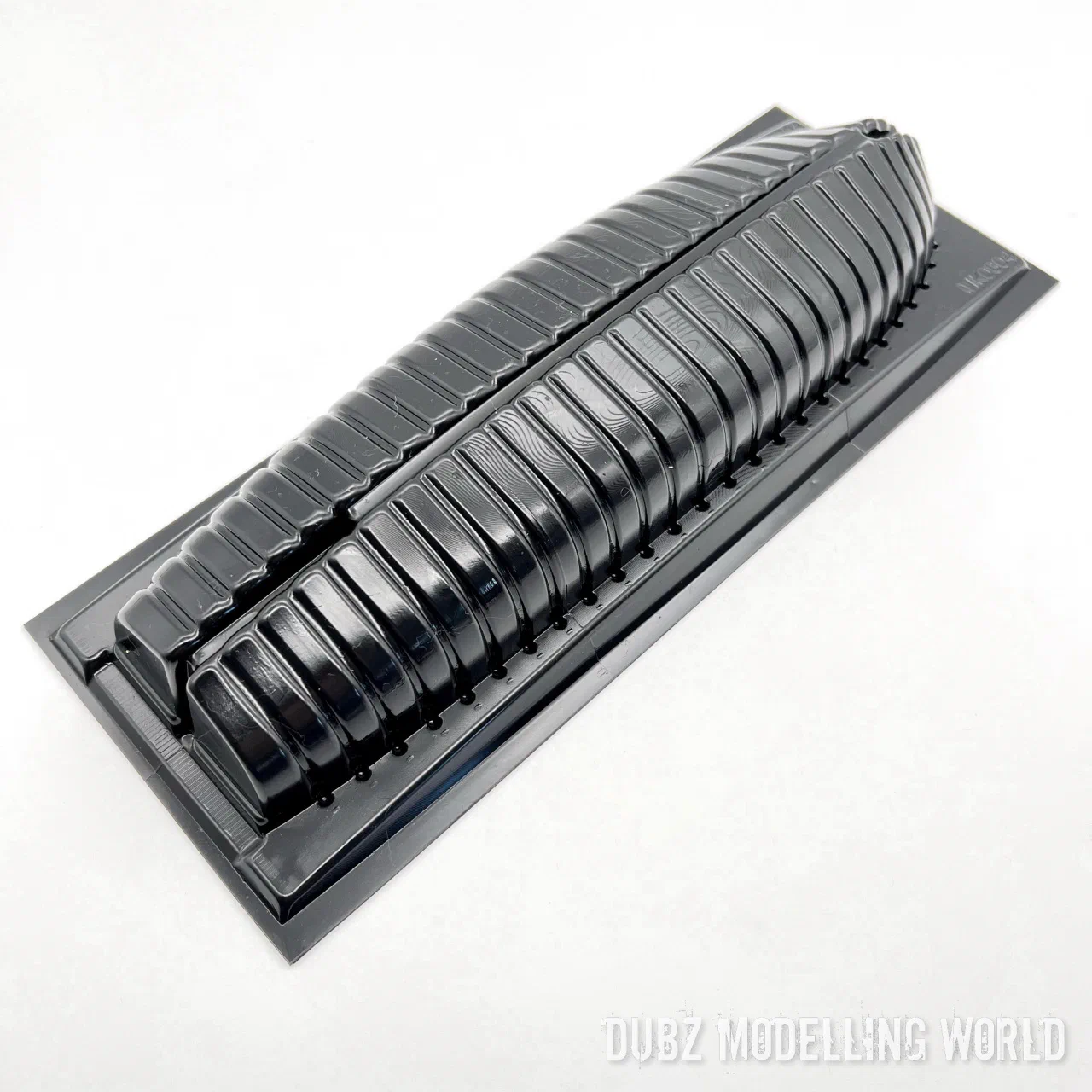
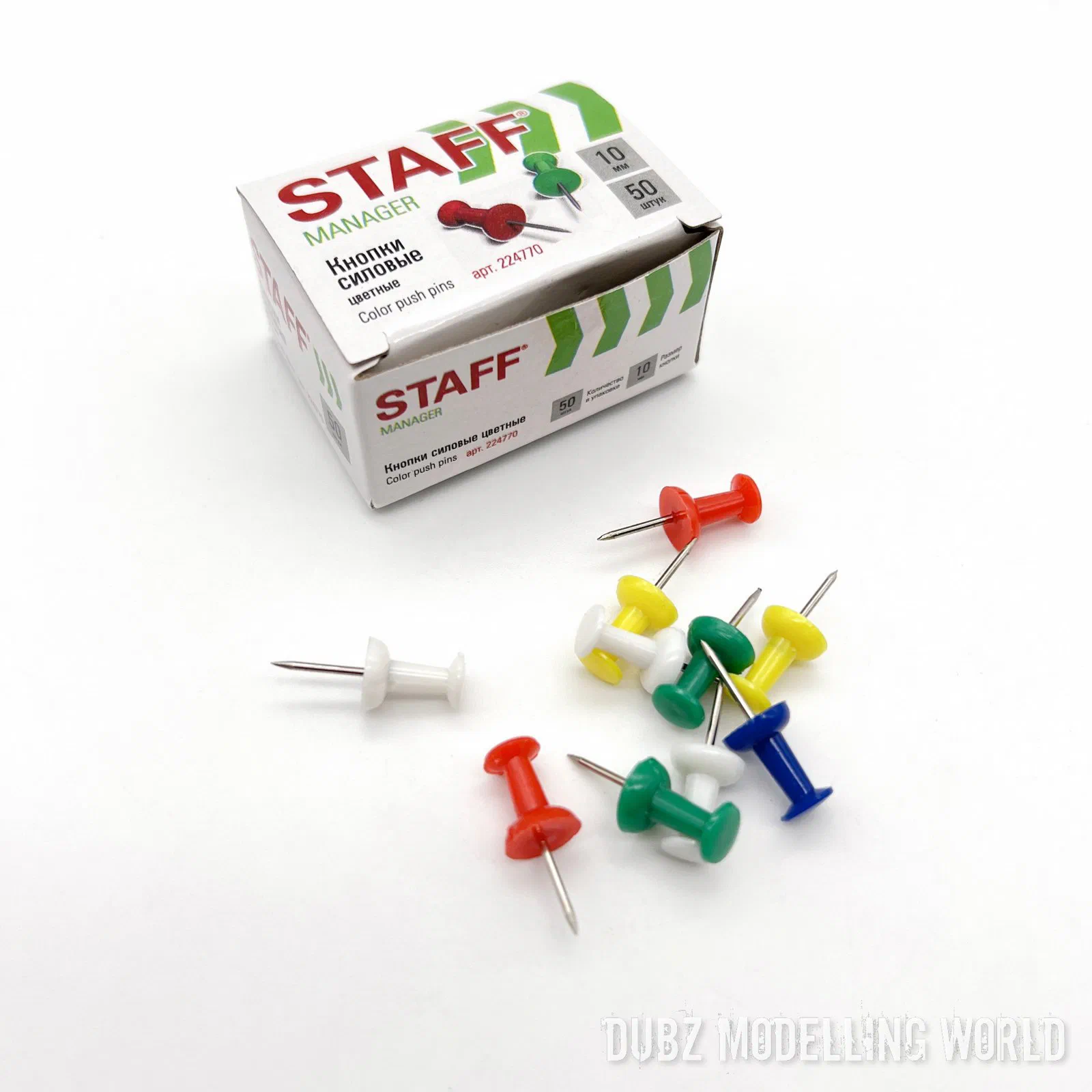
First the contents packed in the plastic building jig, and the jig itself – a mould for the framing, which is really innovative. Push-pins are part of the kit; I like that.
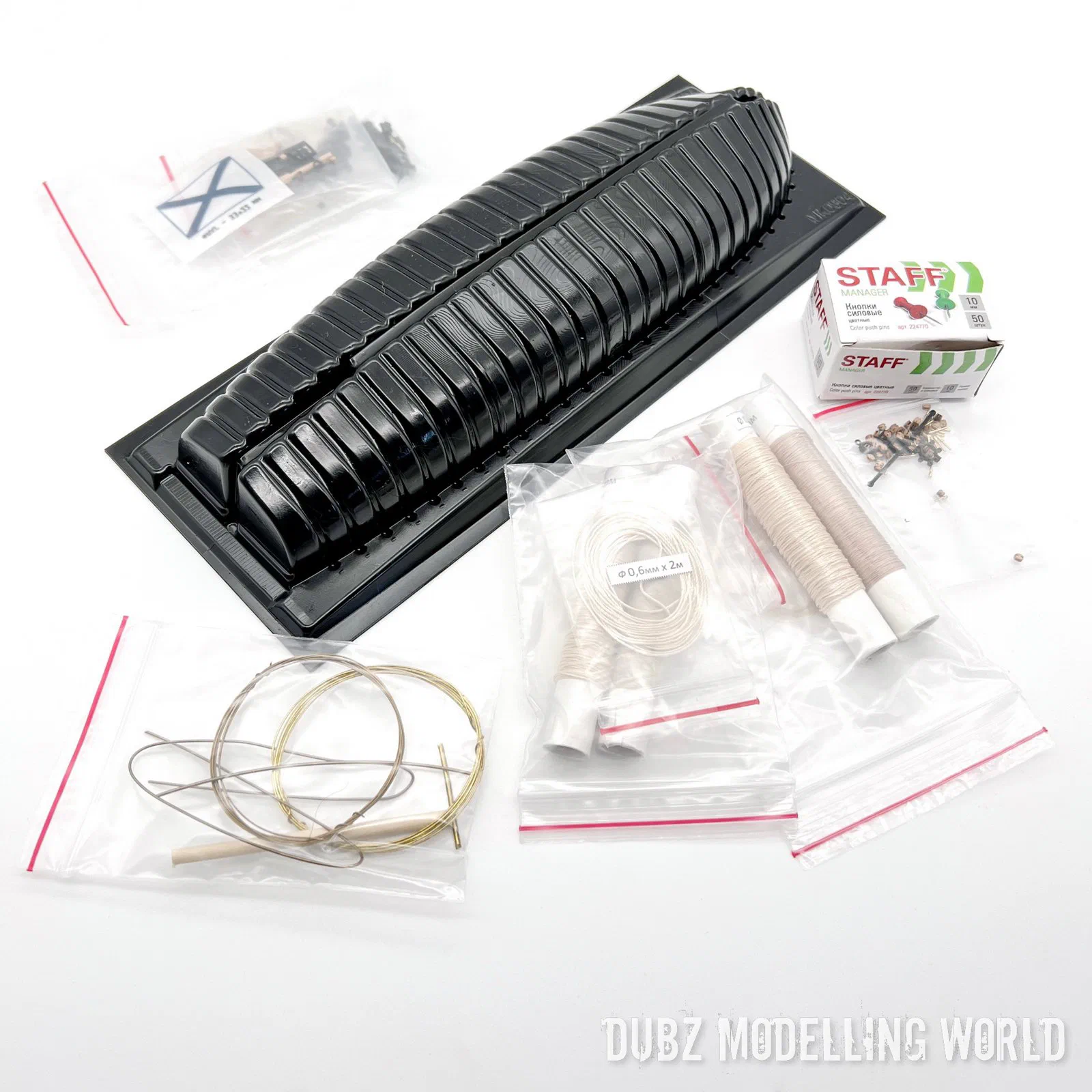
Rope, metalwork and blocks
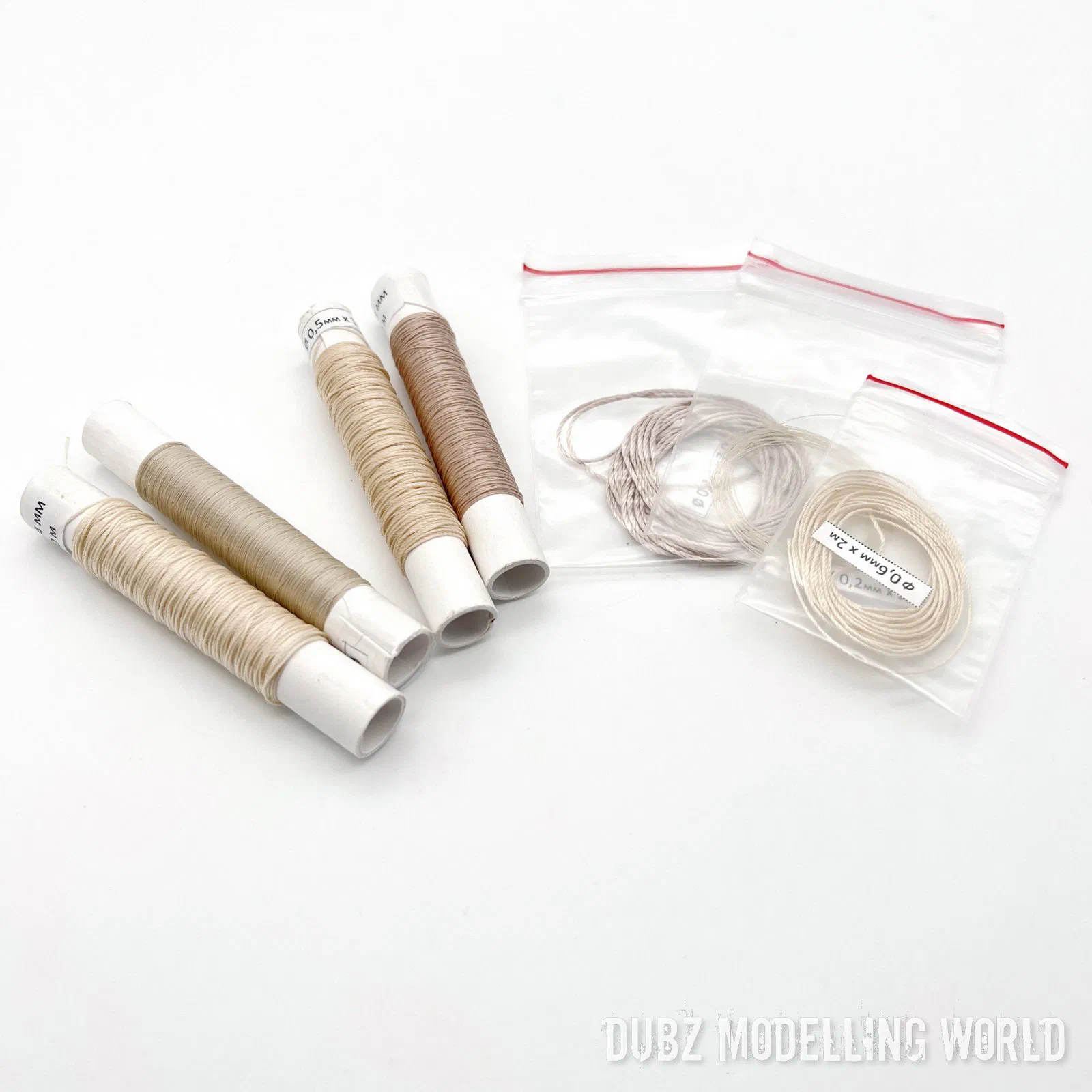
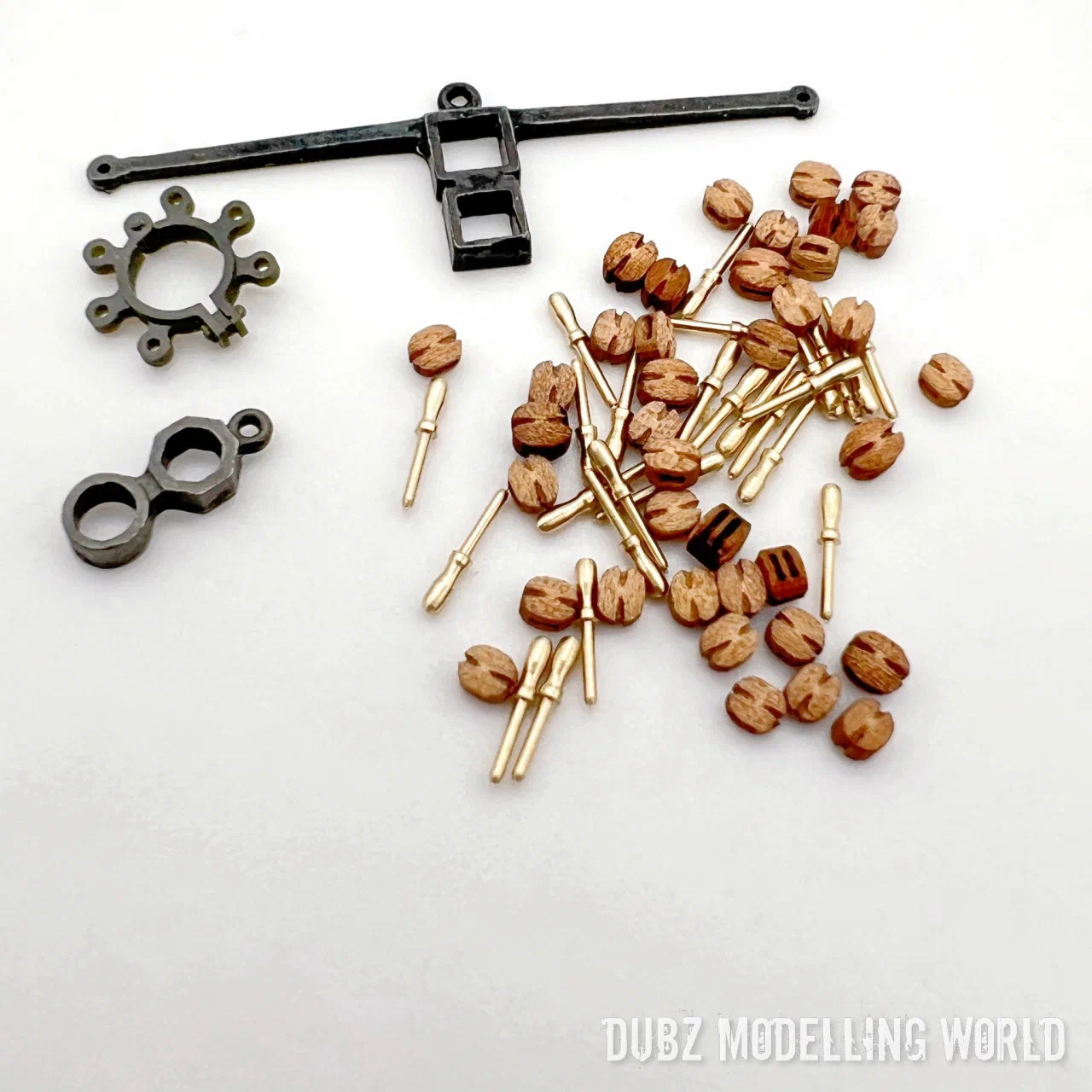
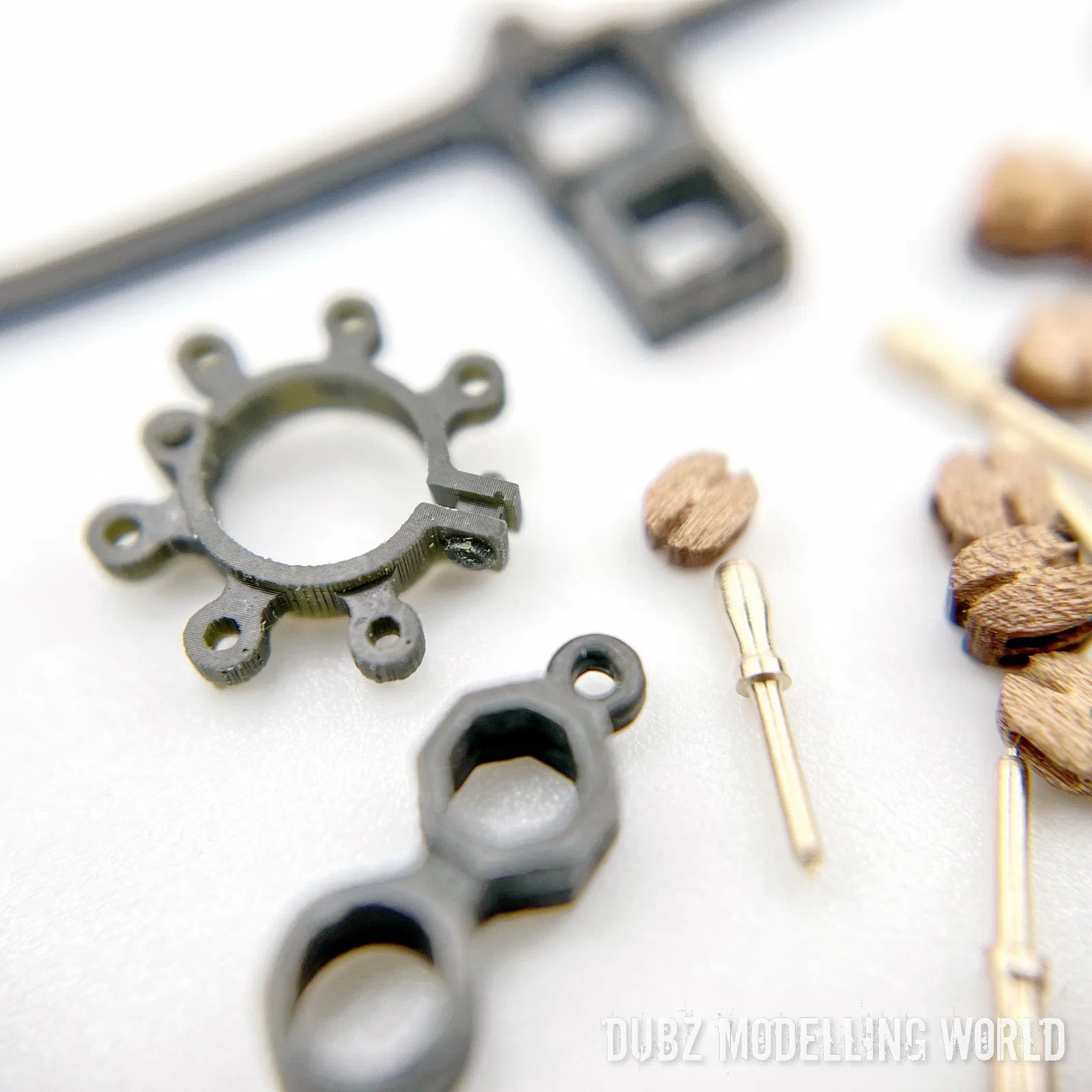
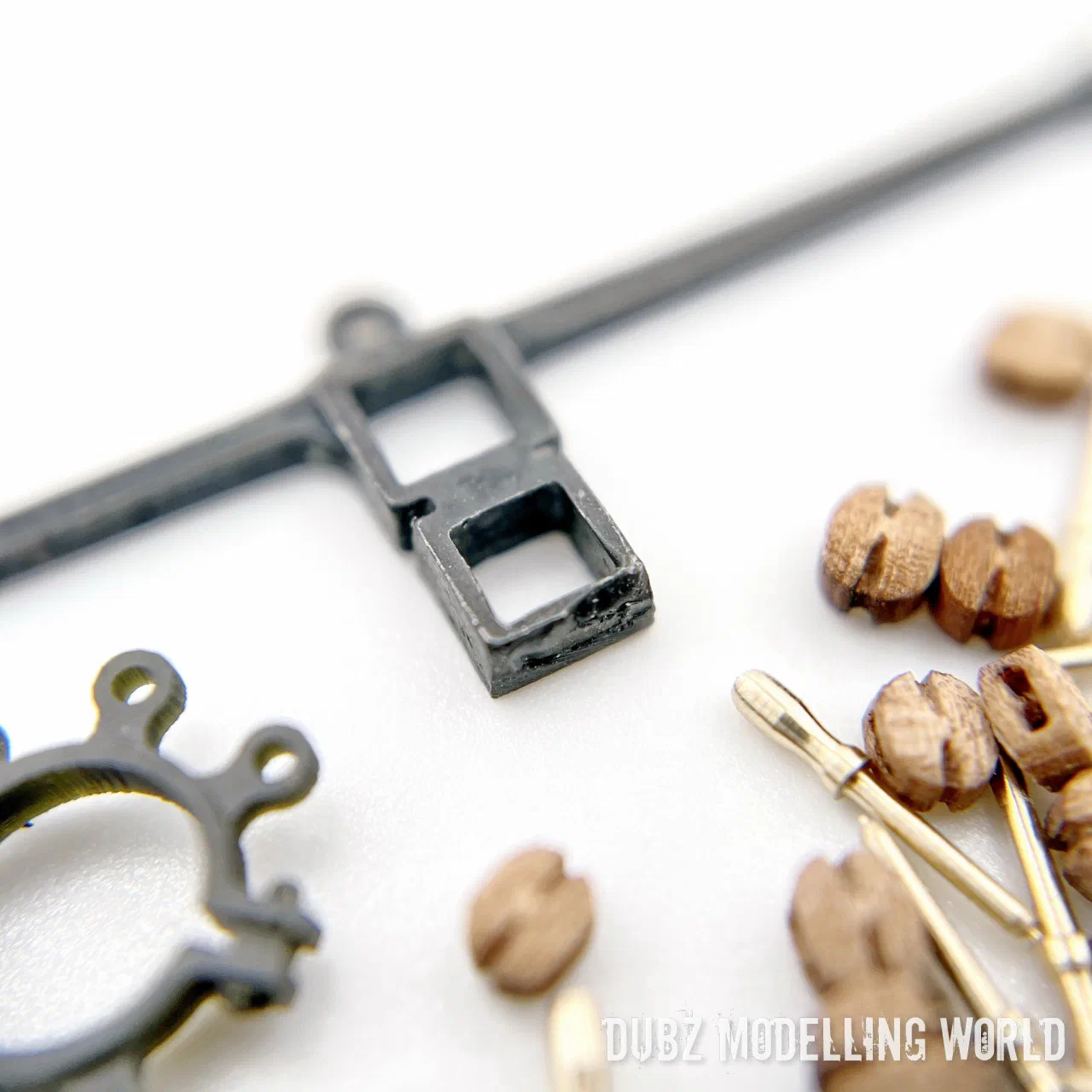
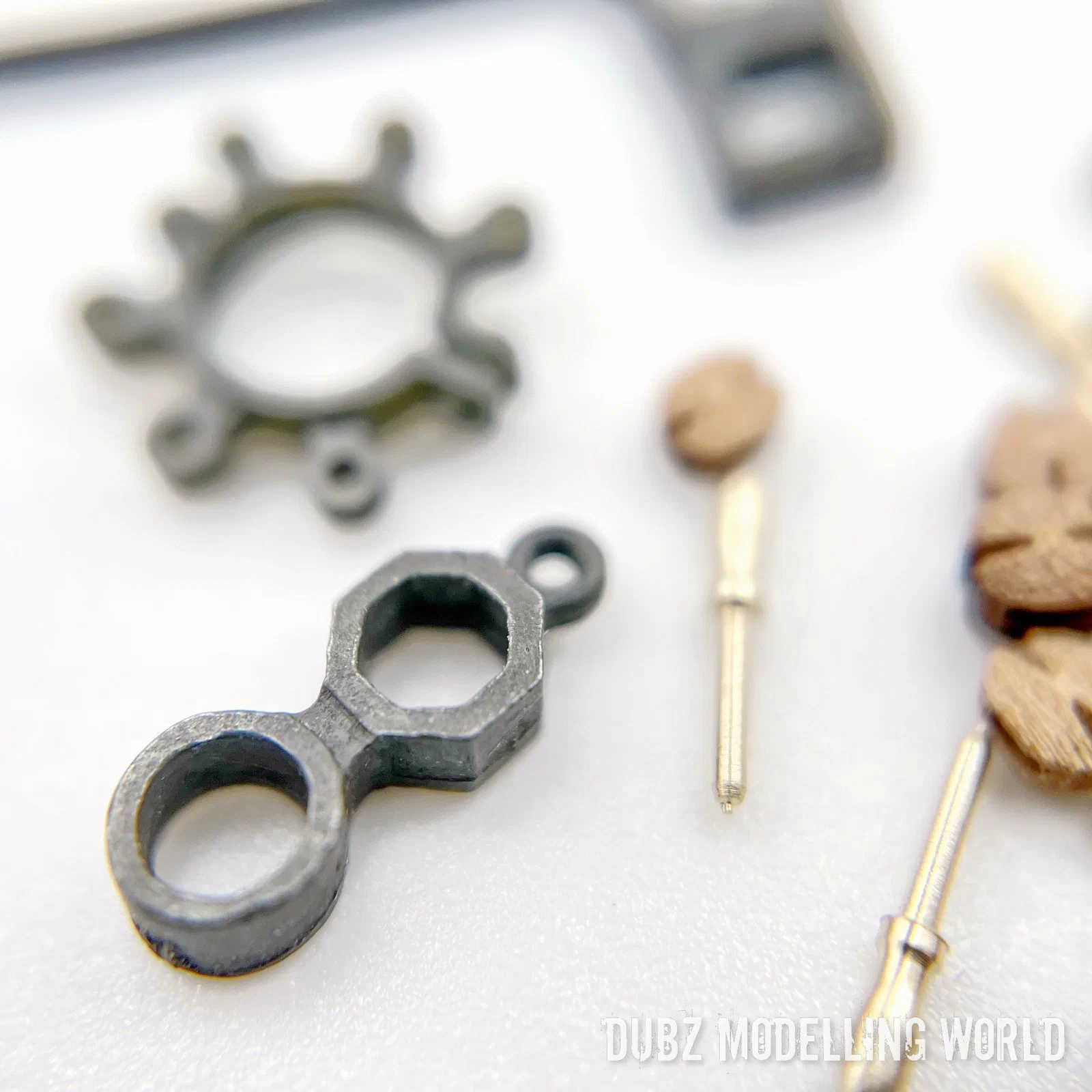
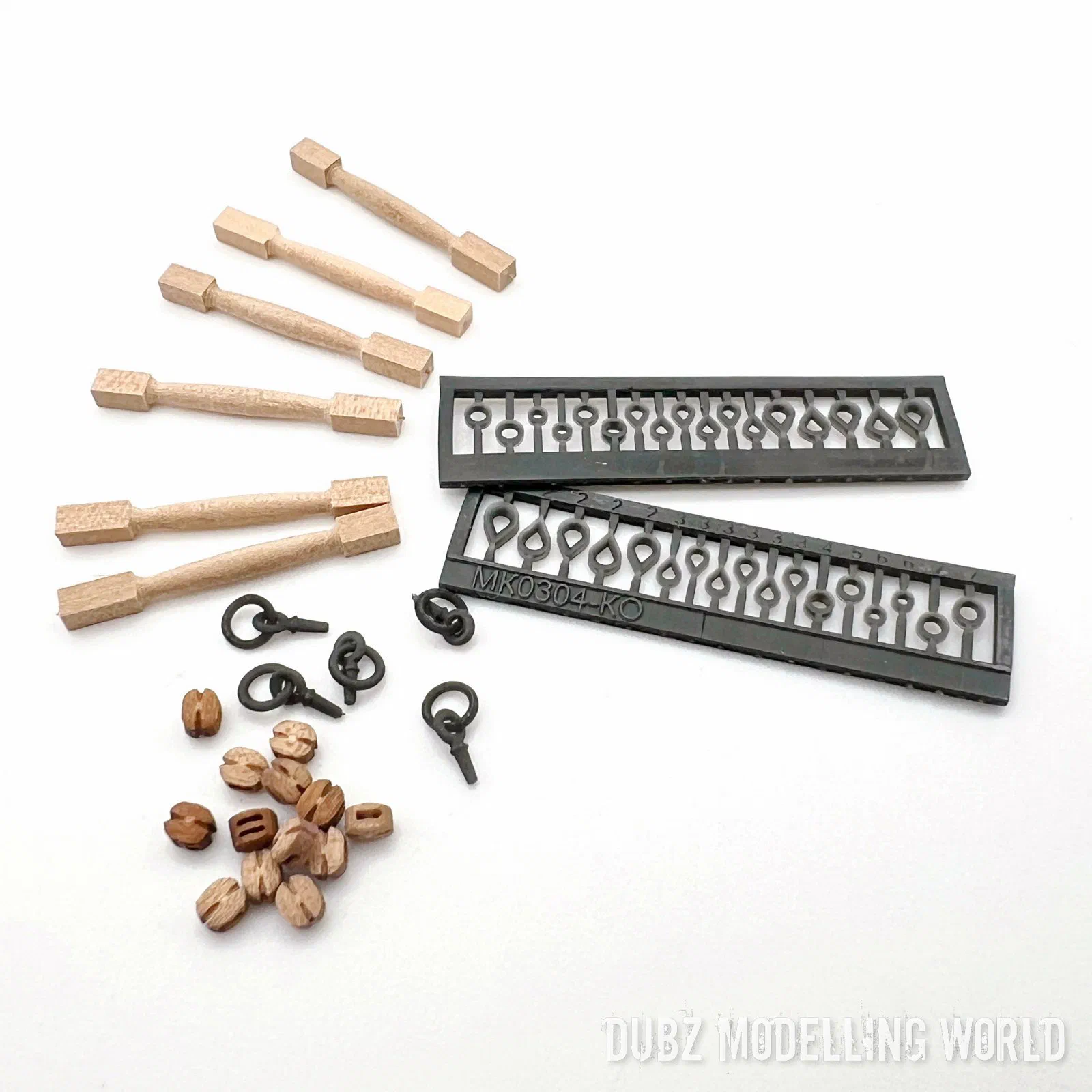
The rope – I can say straight away that it is the only thing I do not like about this kit. Then the metalwork, blocks and turned brass belaying pins. I personally like the Master Korabel blocks, and the belaying pins are of very high quality, like almost everything in this kit. Master Korabel uses 3D-printed parts in its newer kits, and the quality of the prints is very good – the same goes for the metal parts, which come already blackened. Last but not least the usual brass wire and a small wooden dowel.
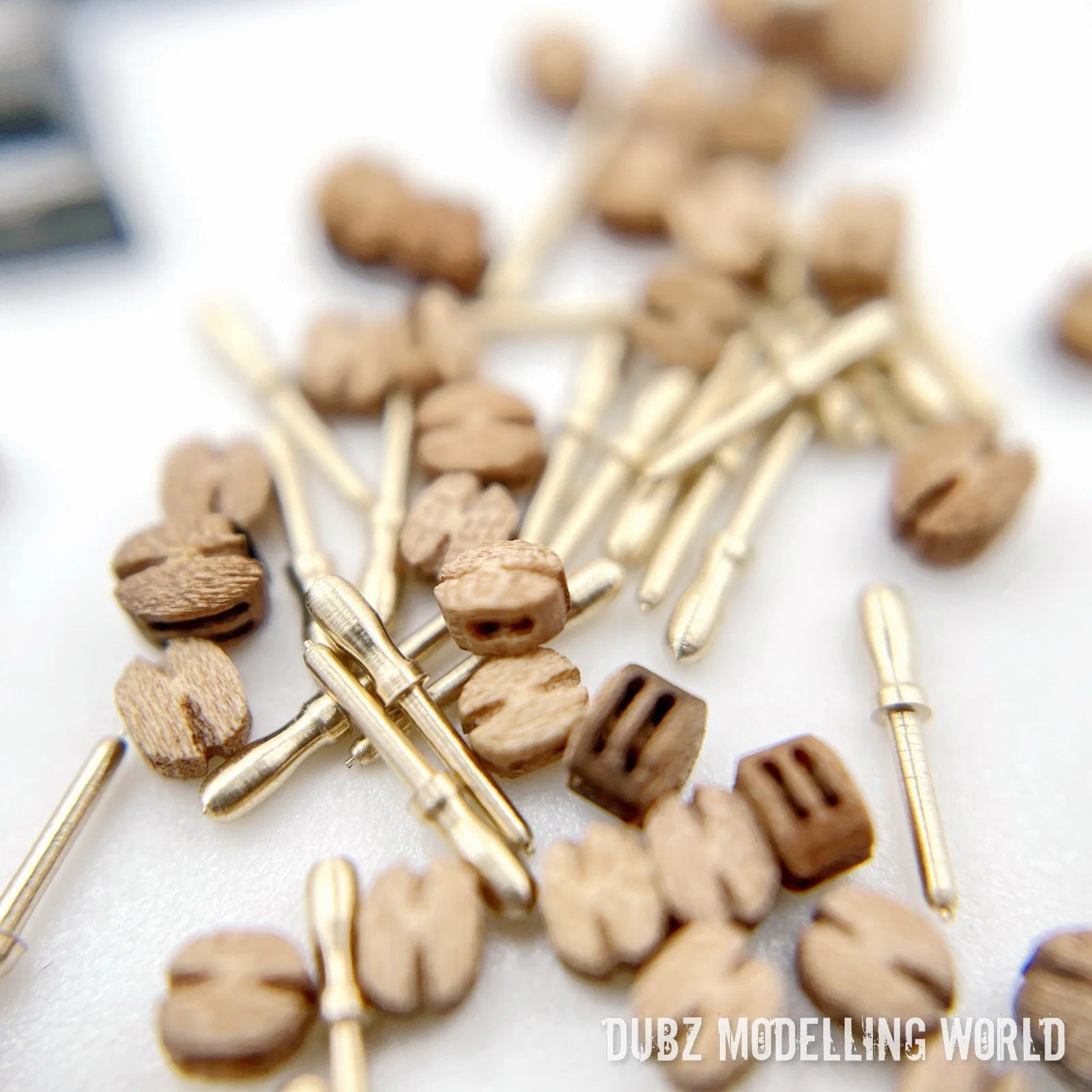
Anchor, carronade and shot
The next bag holds lots of small parts: the anchor, flag, shot, the carronade, stanchions, more blocks and more 3D-printed parts – all of the same quality.
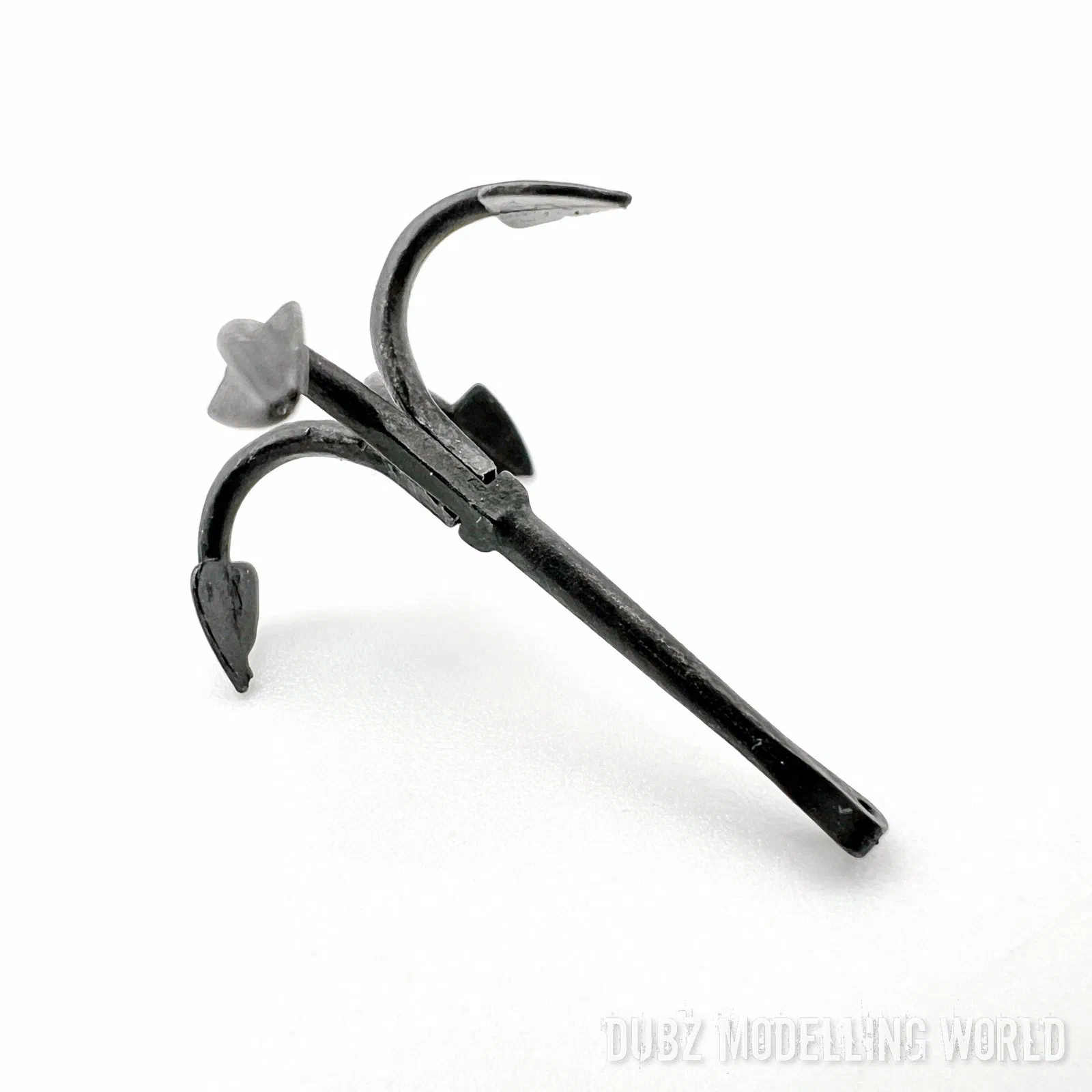
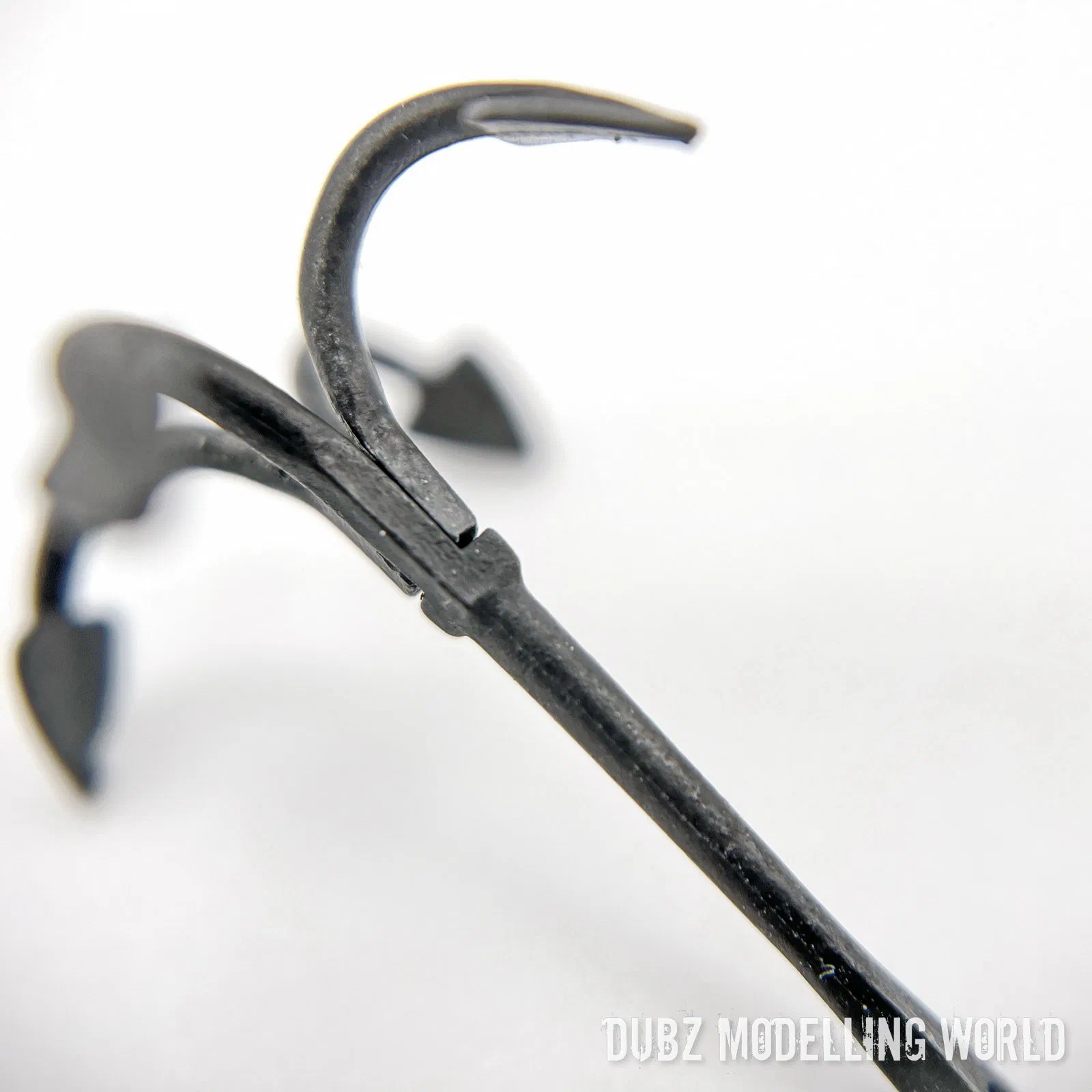
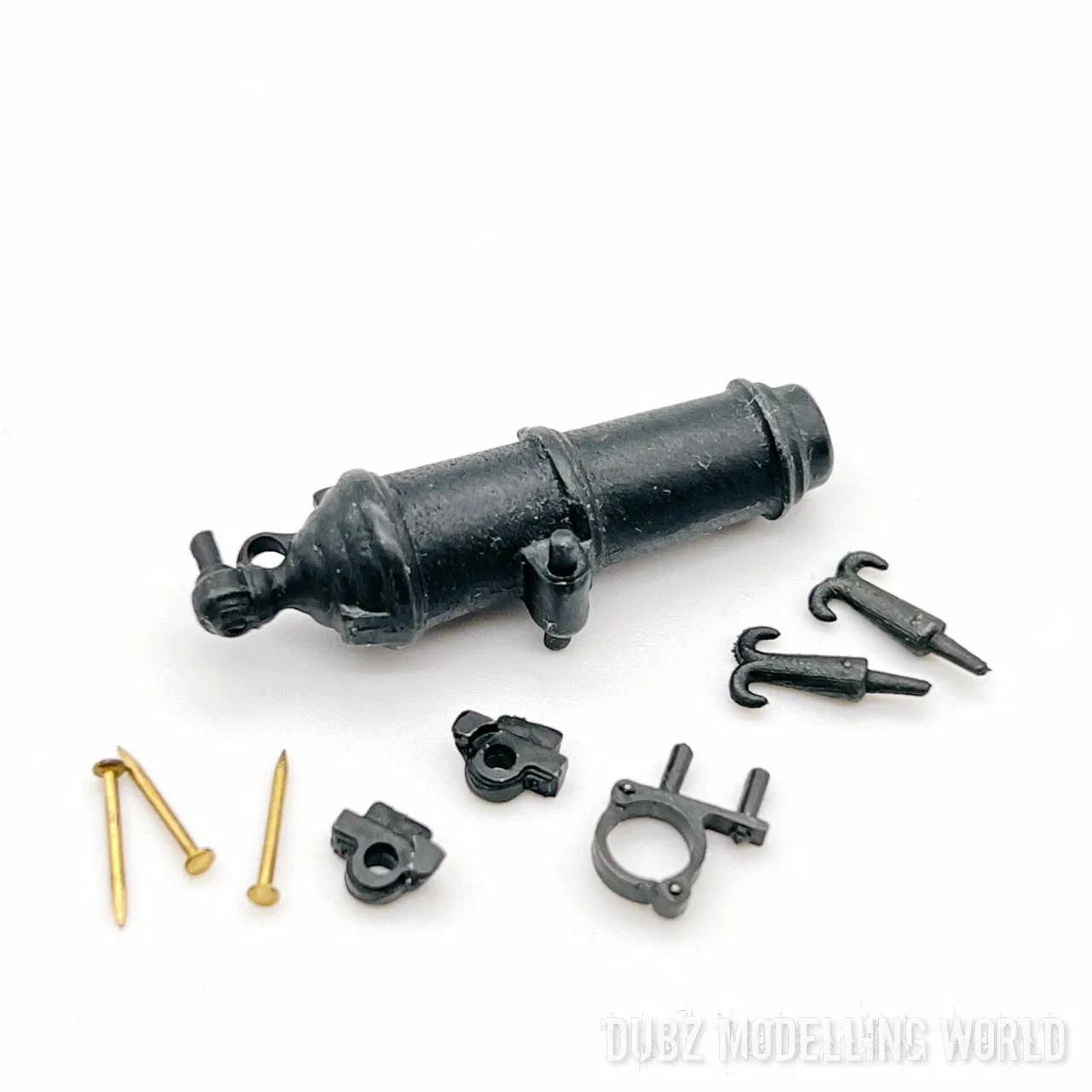
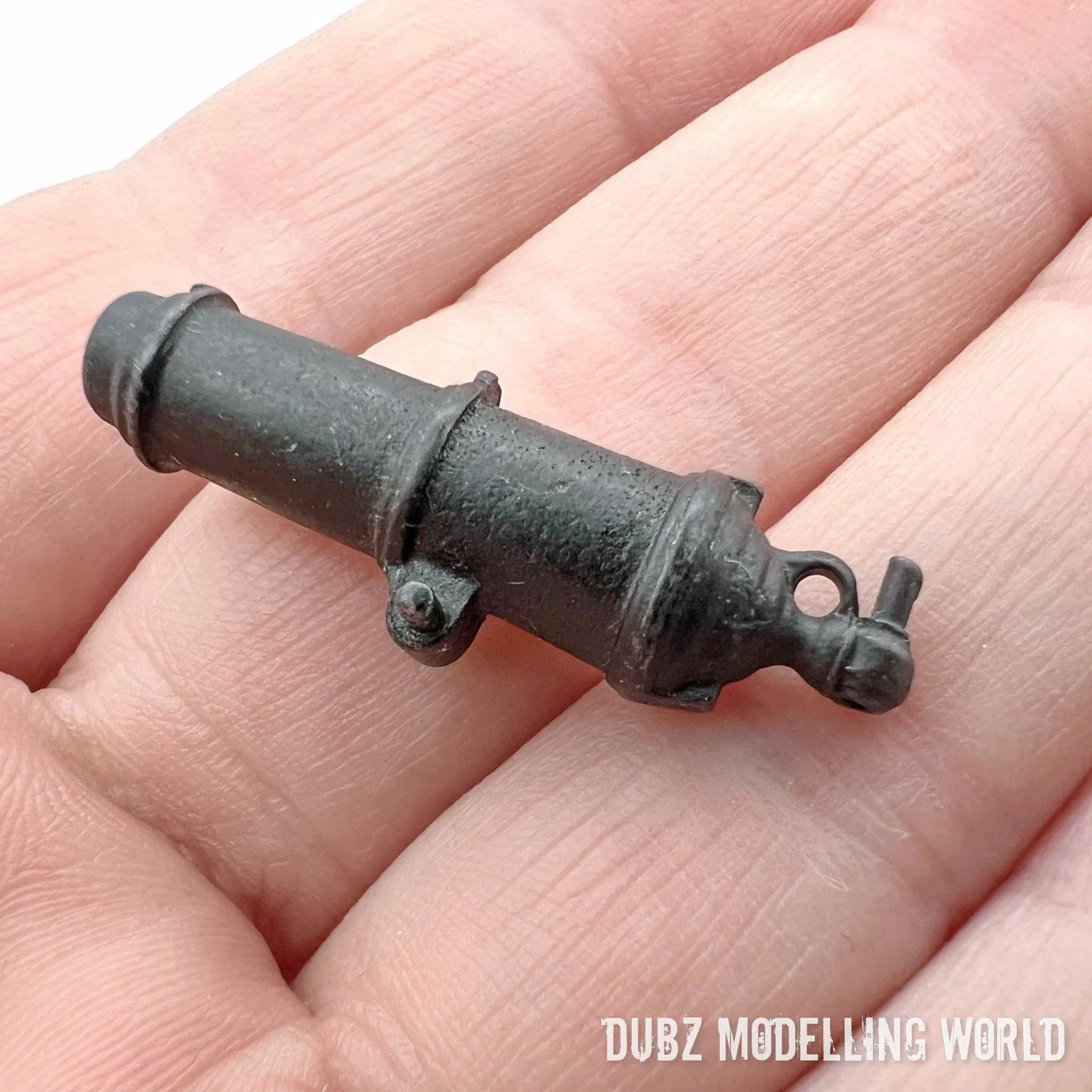
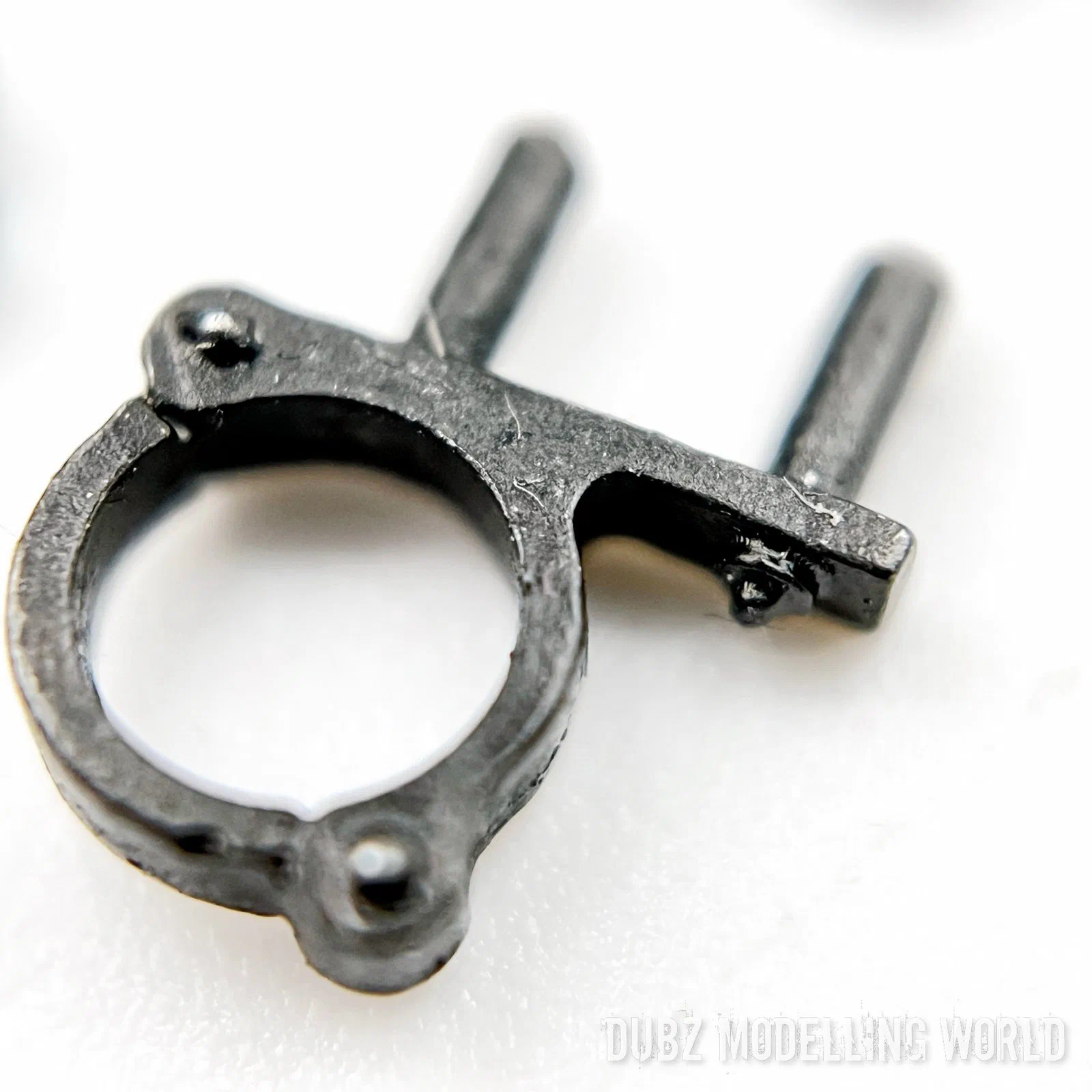
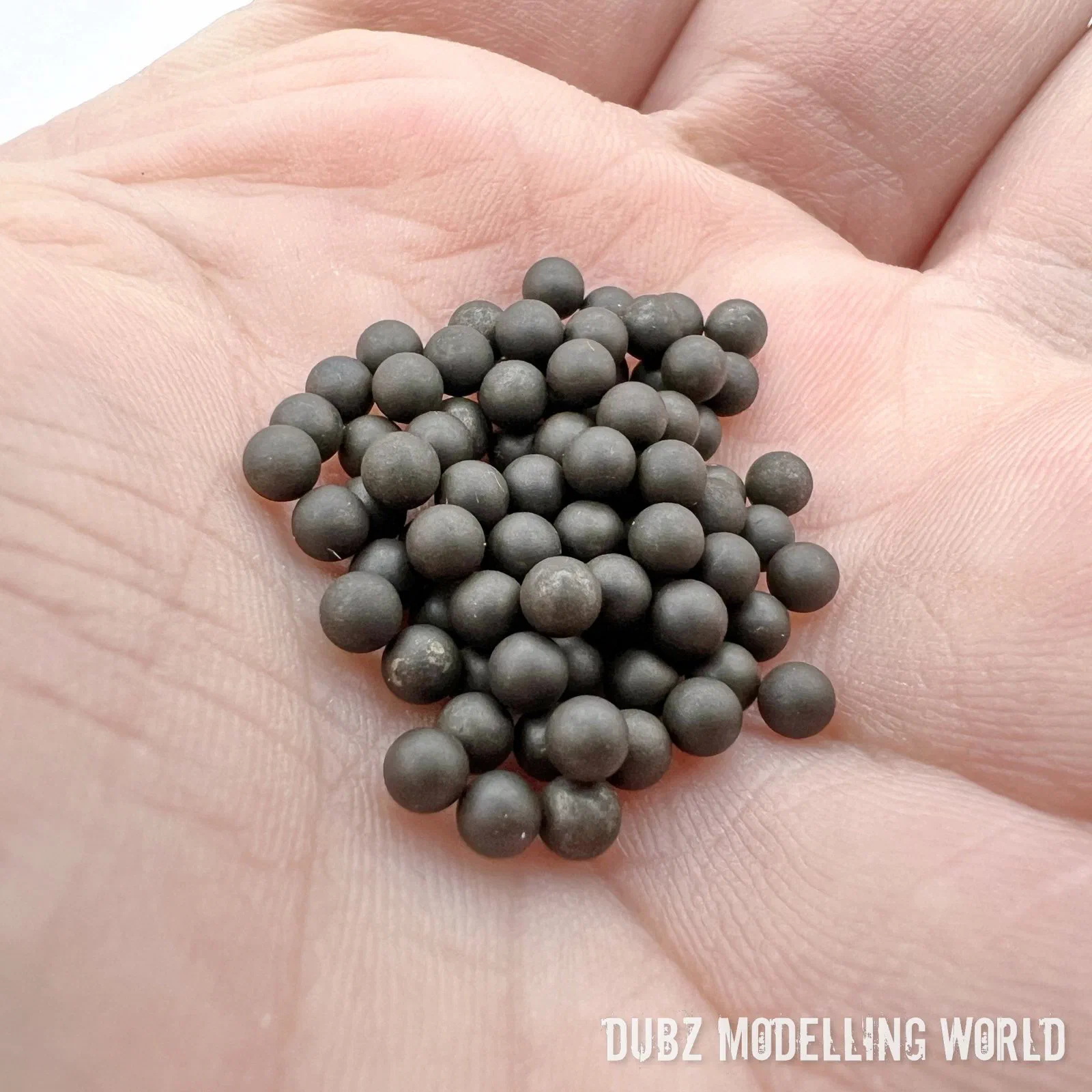
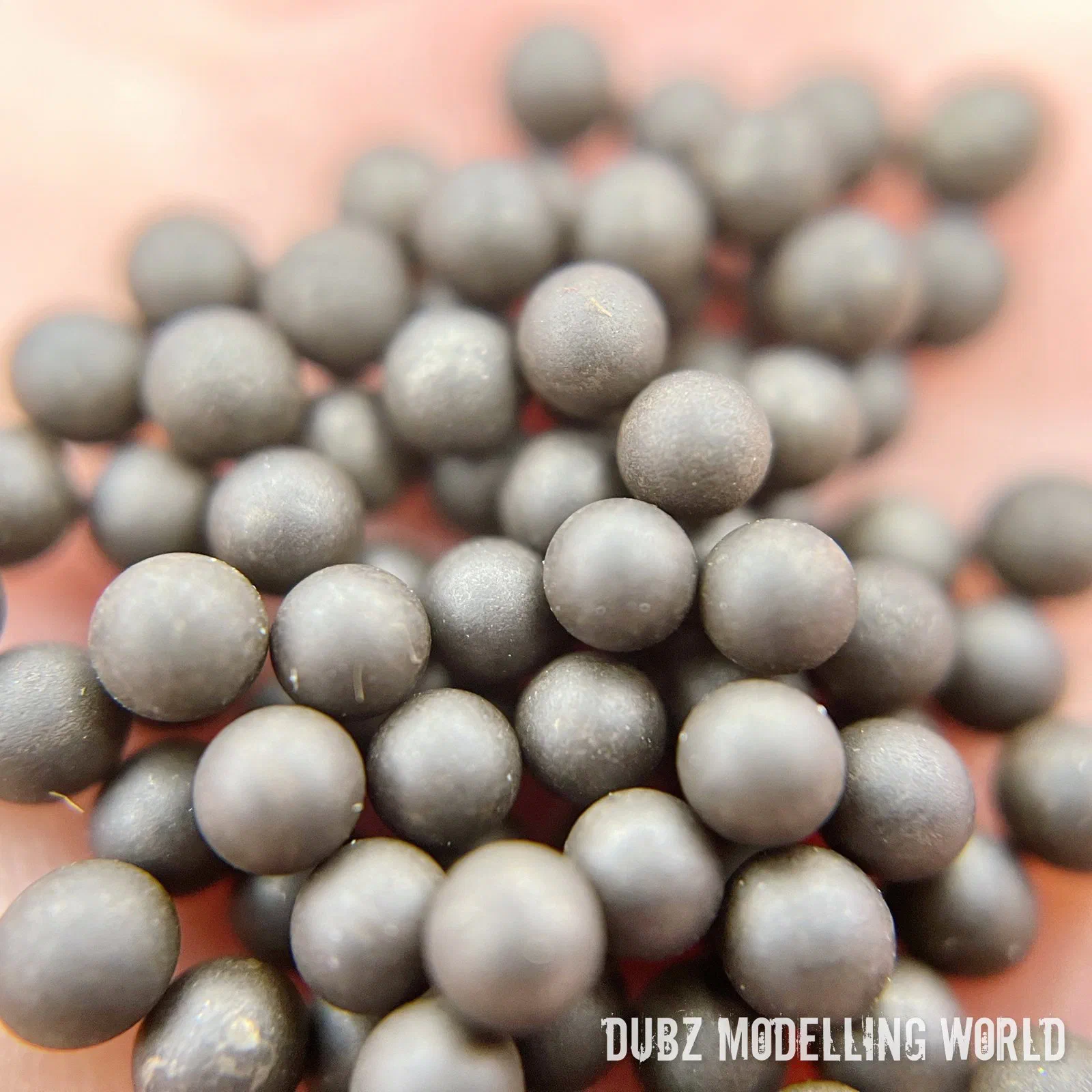
The last bag contains the stanchions, more very small blocks and 3D-printed parts such as thimbles – and eyebolts with rings printed as one part. Nice!
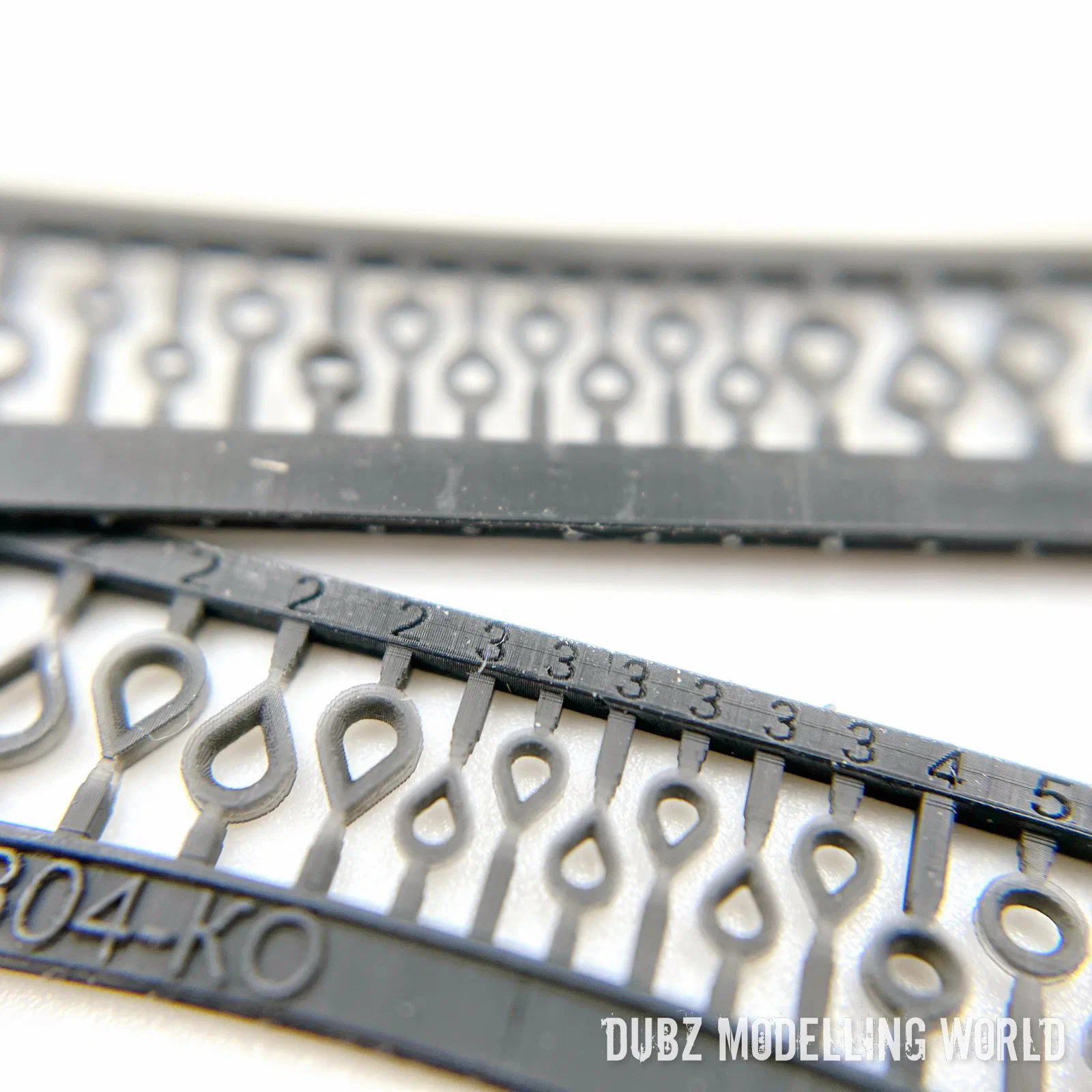
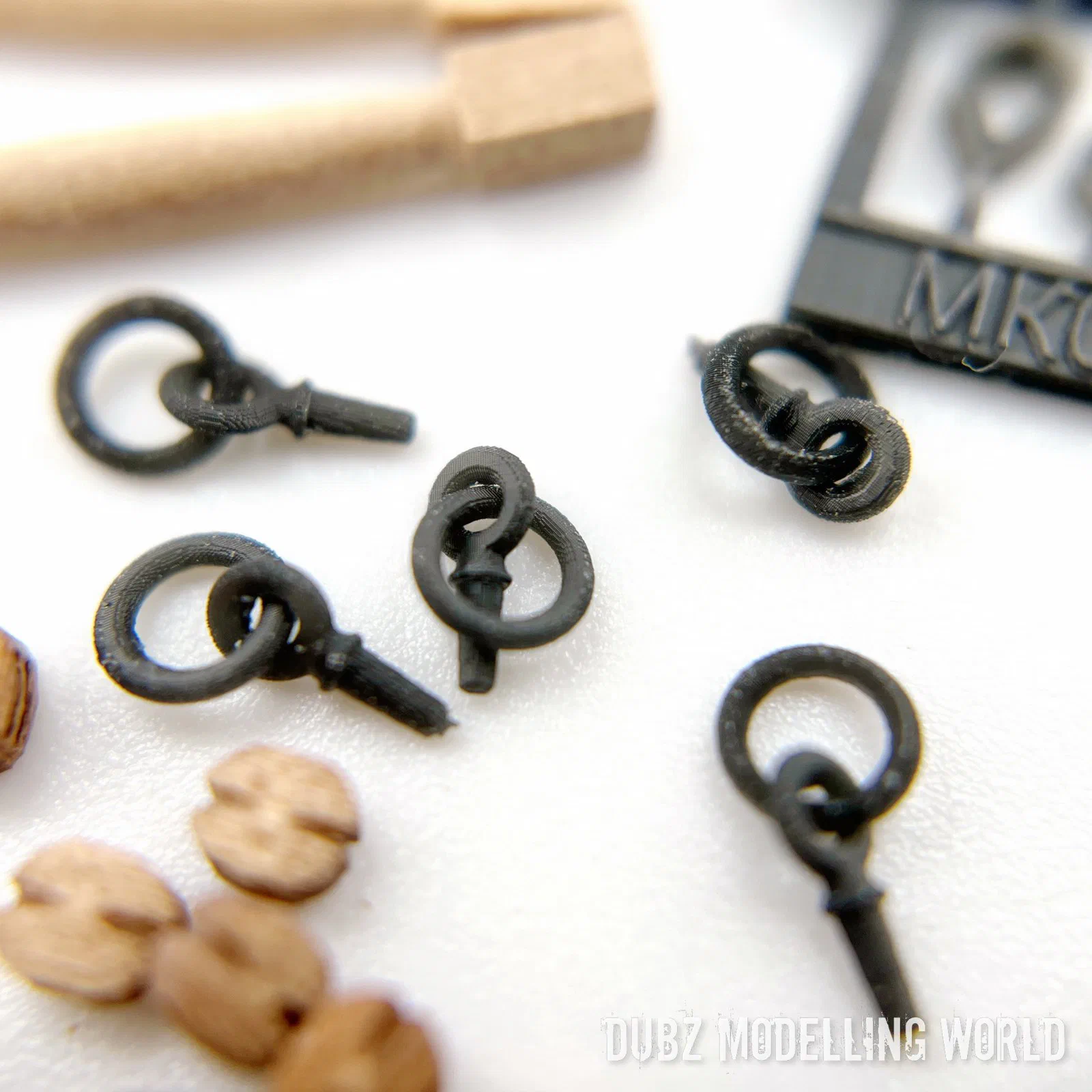
The wood
With one exception, everything is made of pear. Master Korabel knows how to laser wood in excellent quality: few burn marks, fine and clean cuts, everything lasered cleanly. It does not get any better than this – the macros from both sides show it.
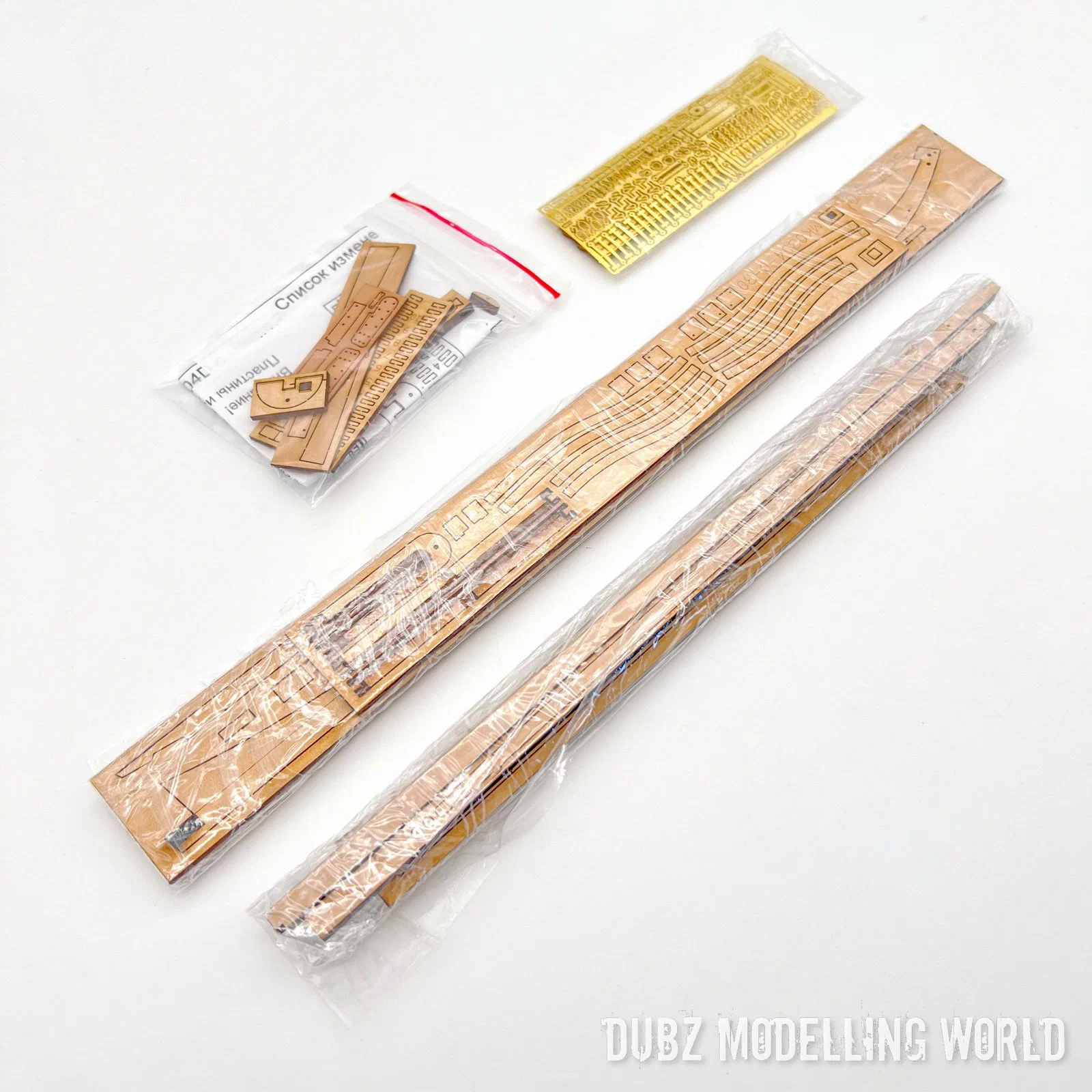
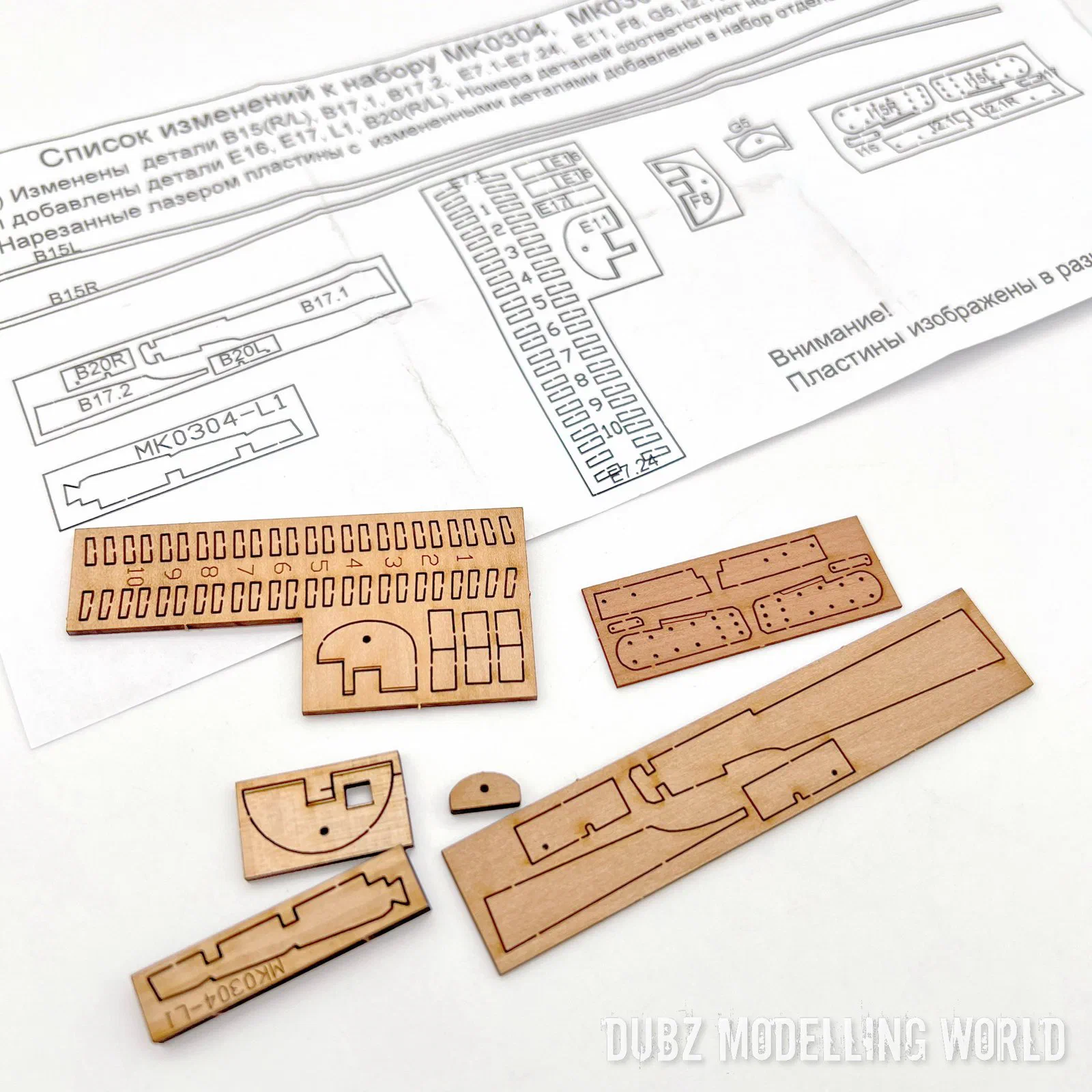
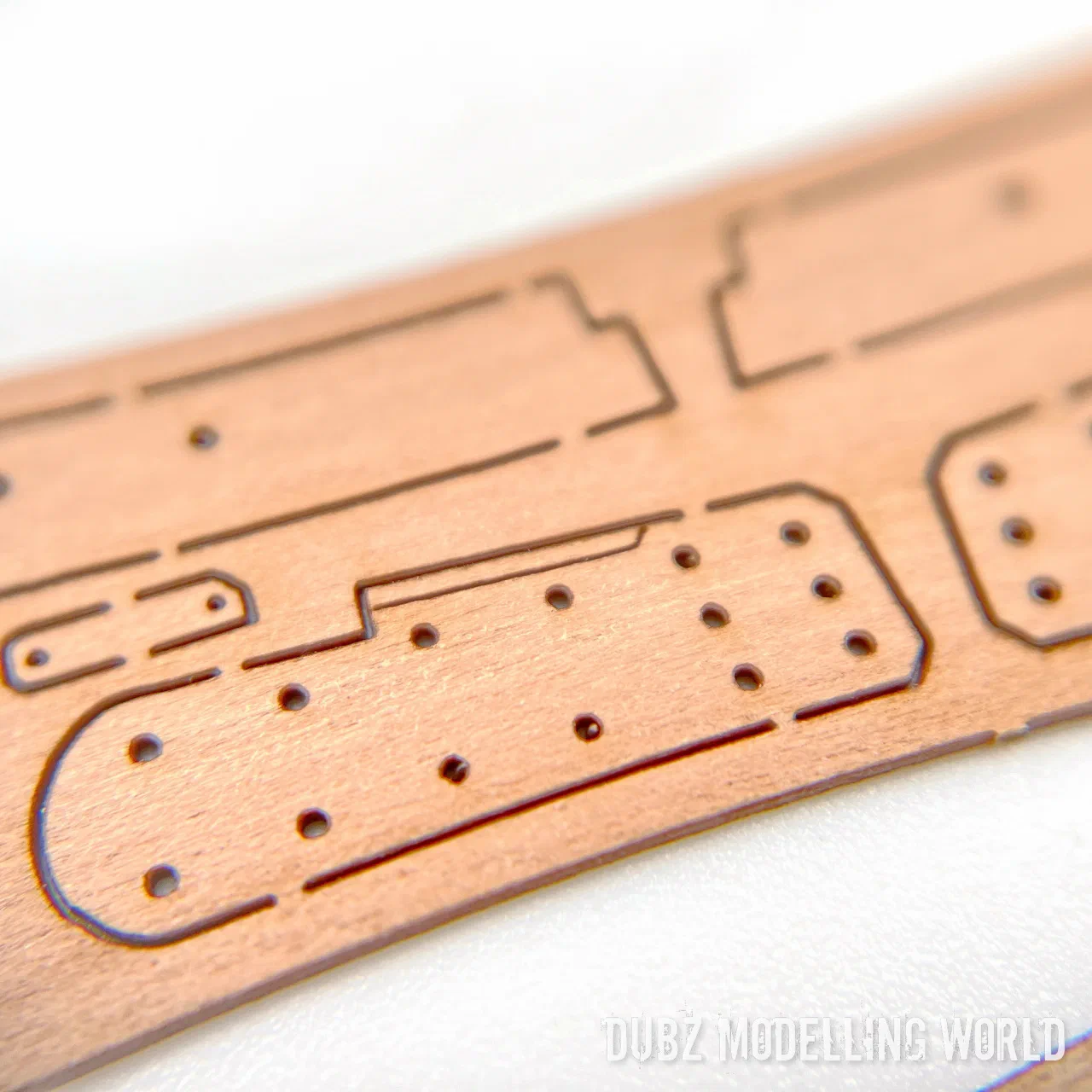
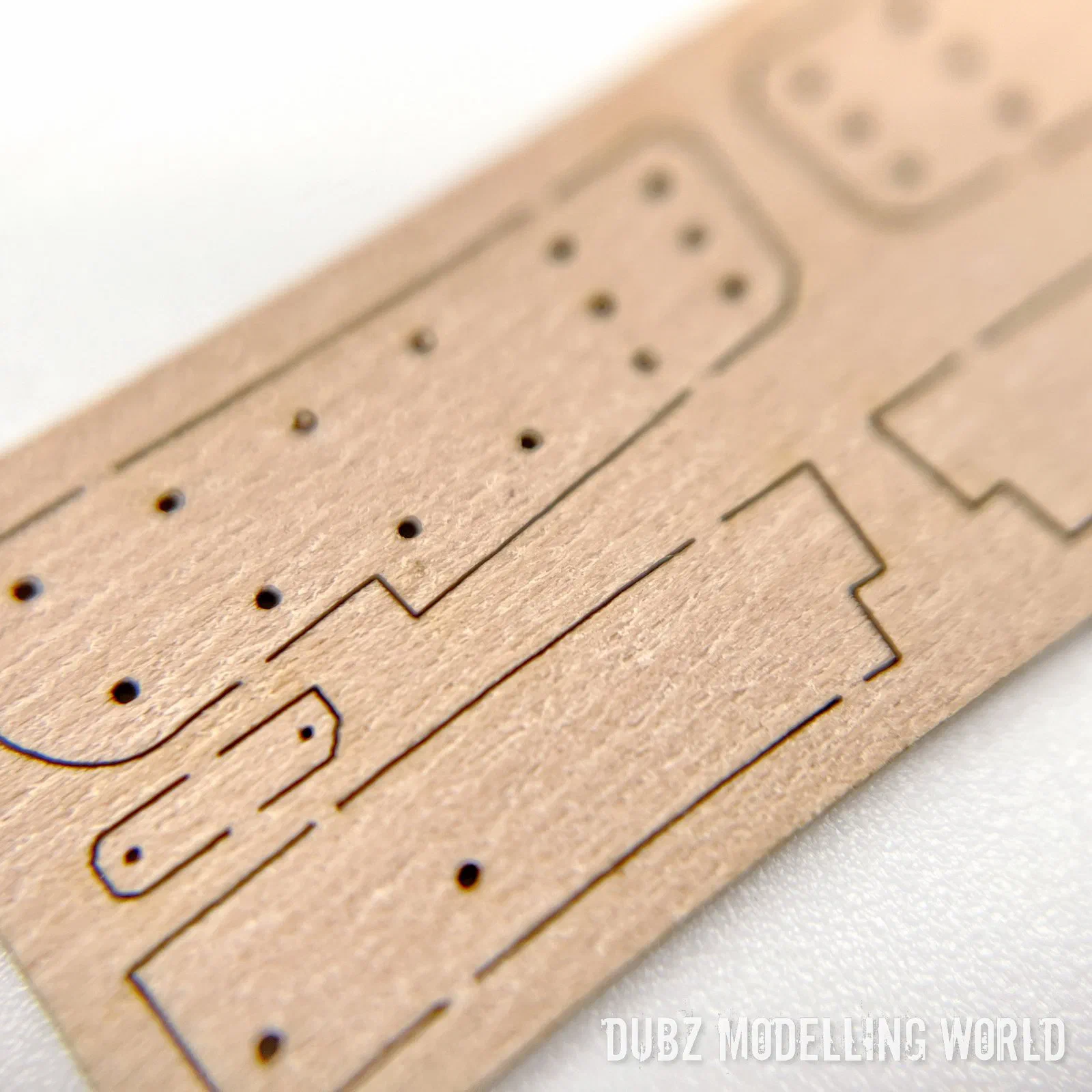
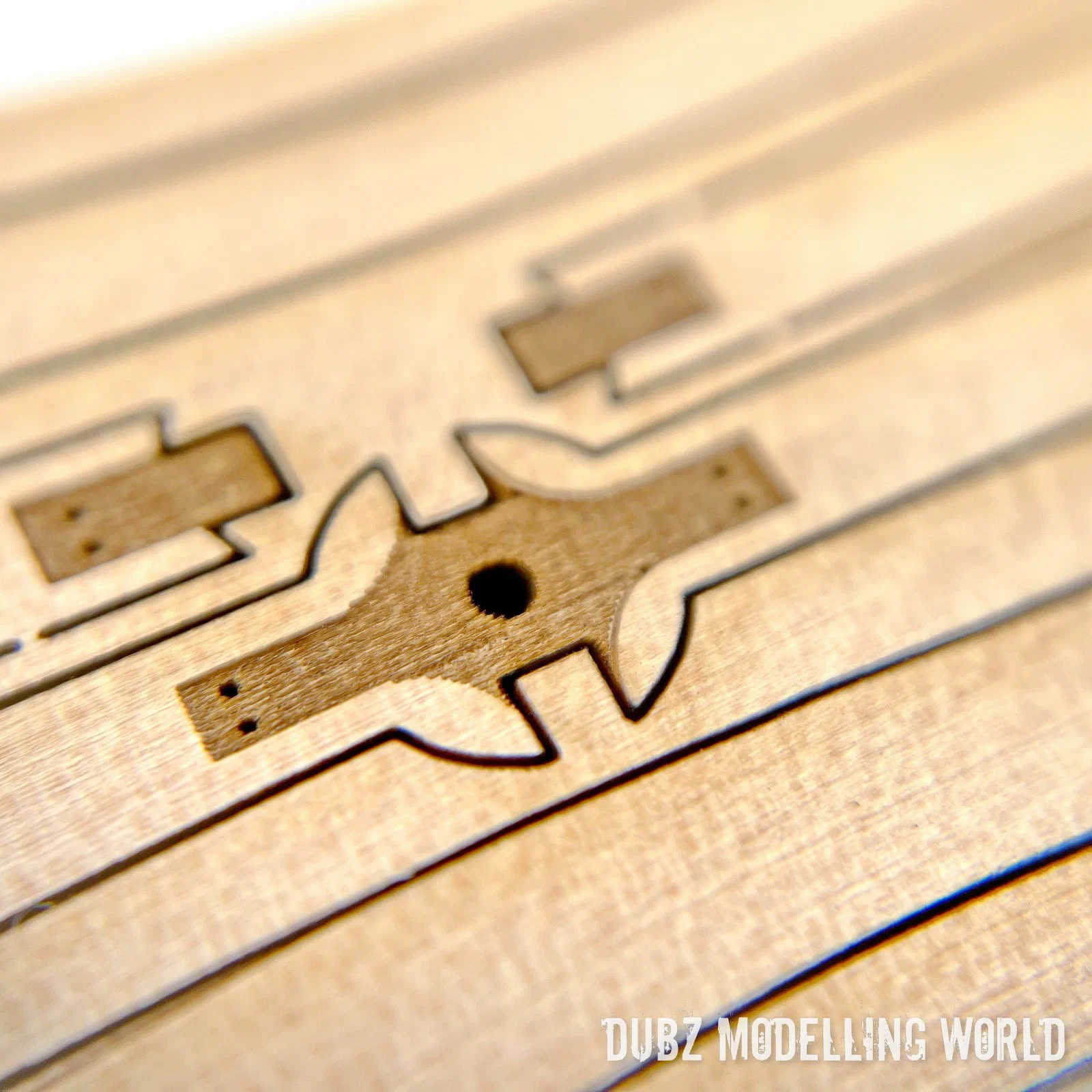
Then the larger sheets, the mast and spars, more wood – and the lasered, pre-spiled planks. That should be standard in every kit nowadays. Another pear sheet follows, and finally the only sheet that is not pear: I would have preferred pear here rather than maple. A plywood jig helps to position the first plank.
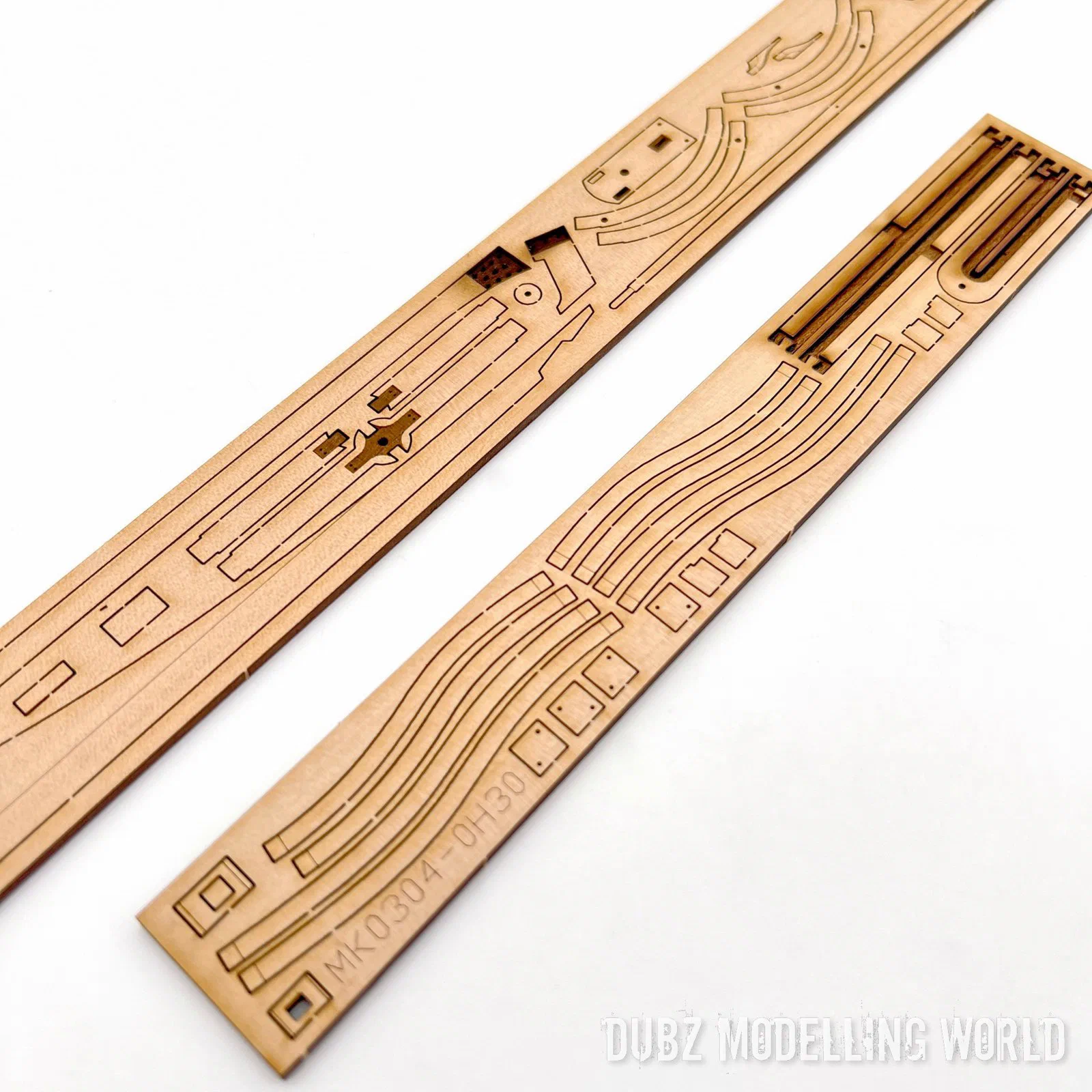
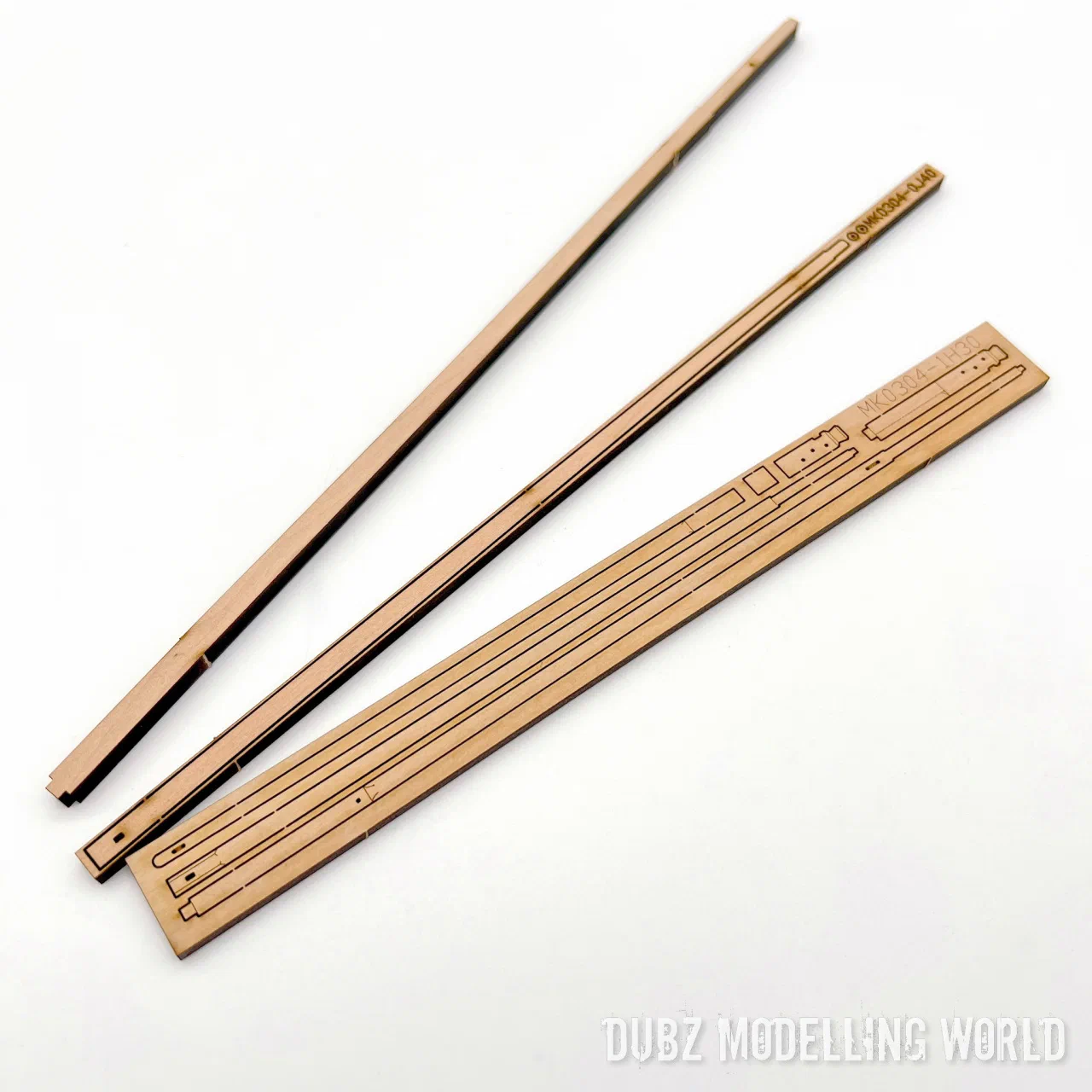
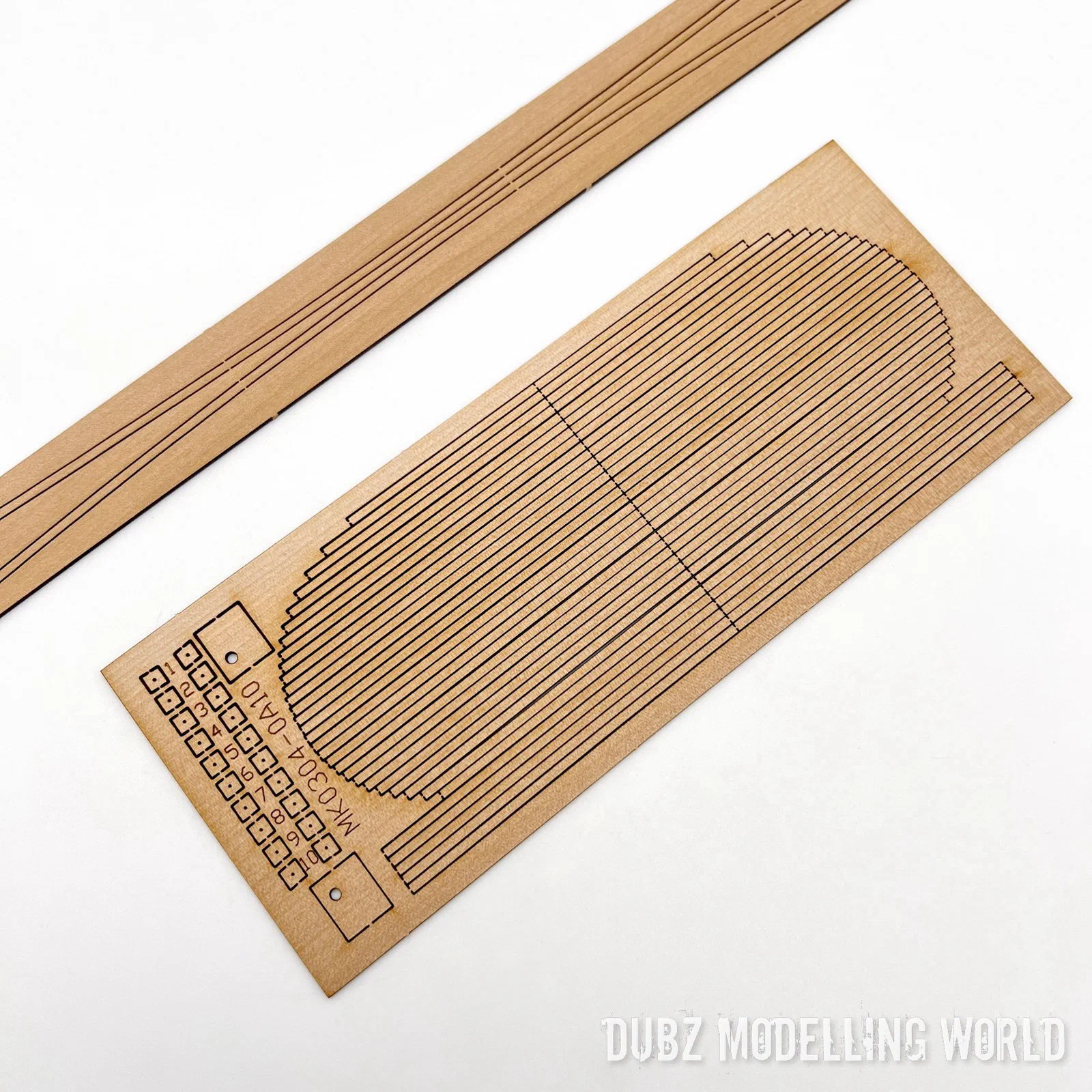
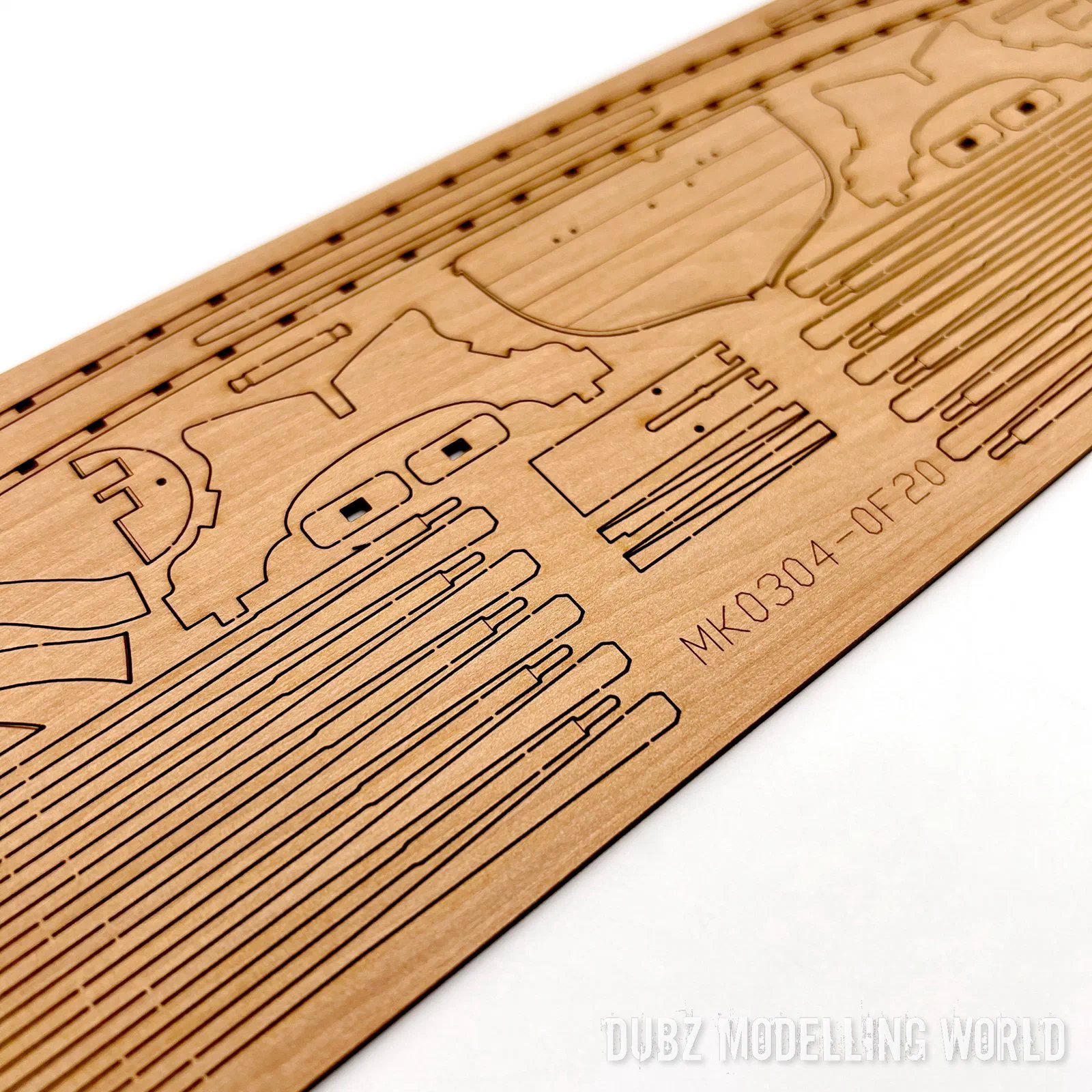
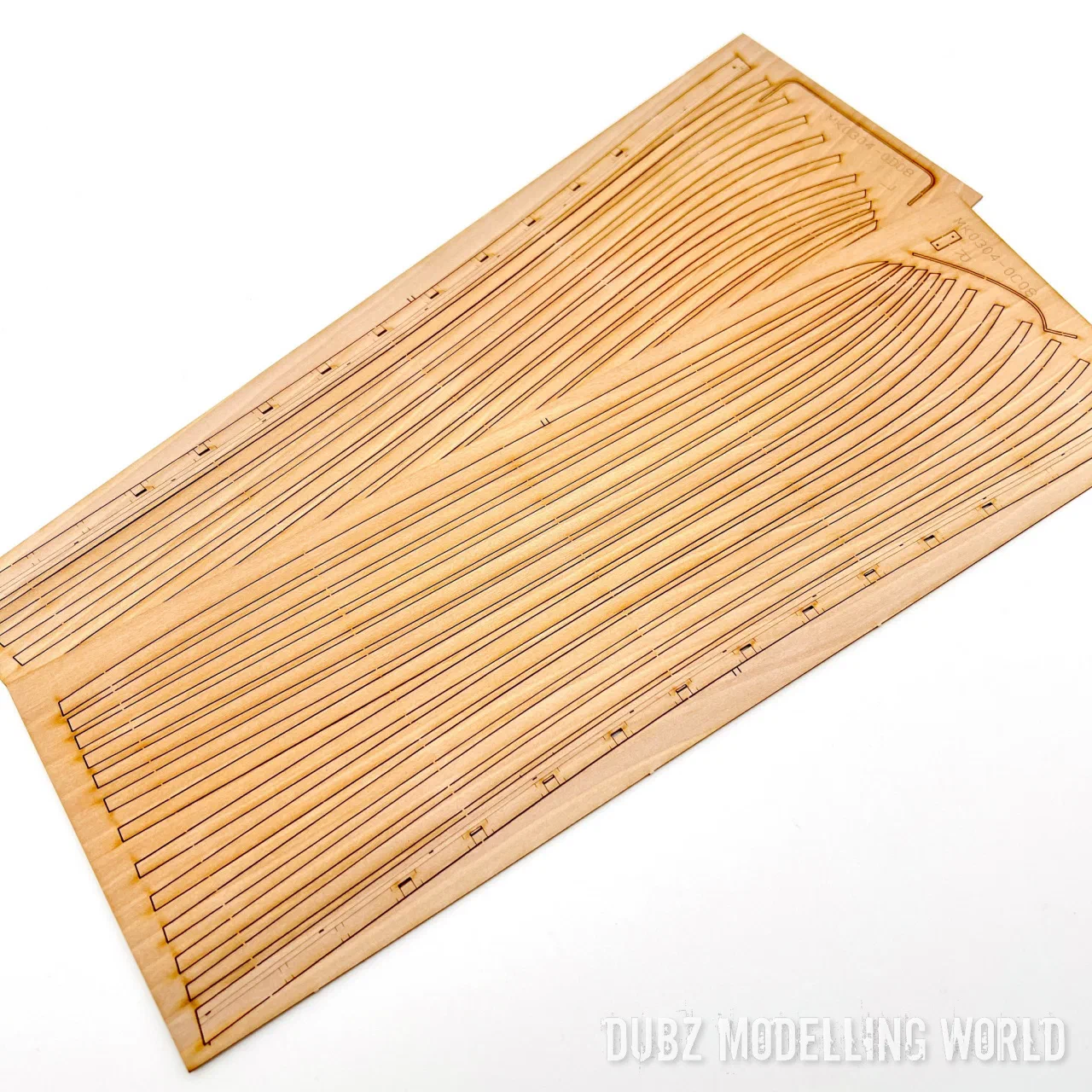
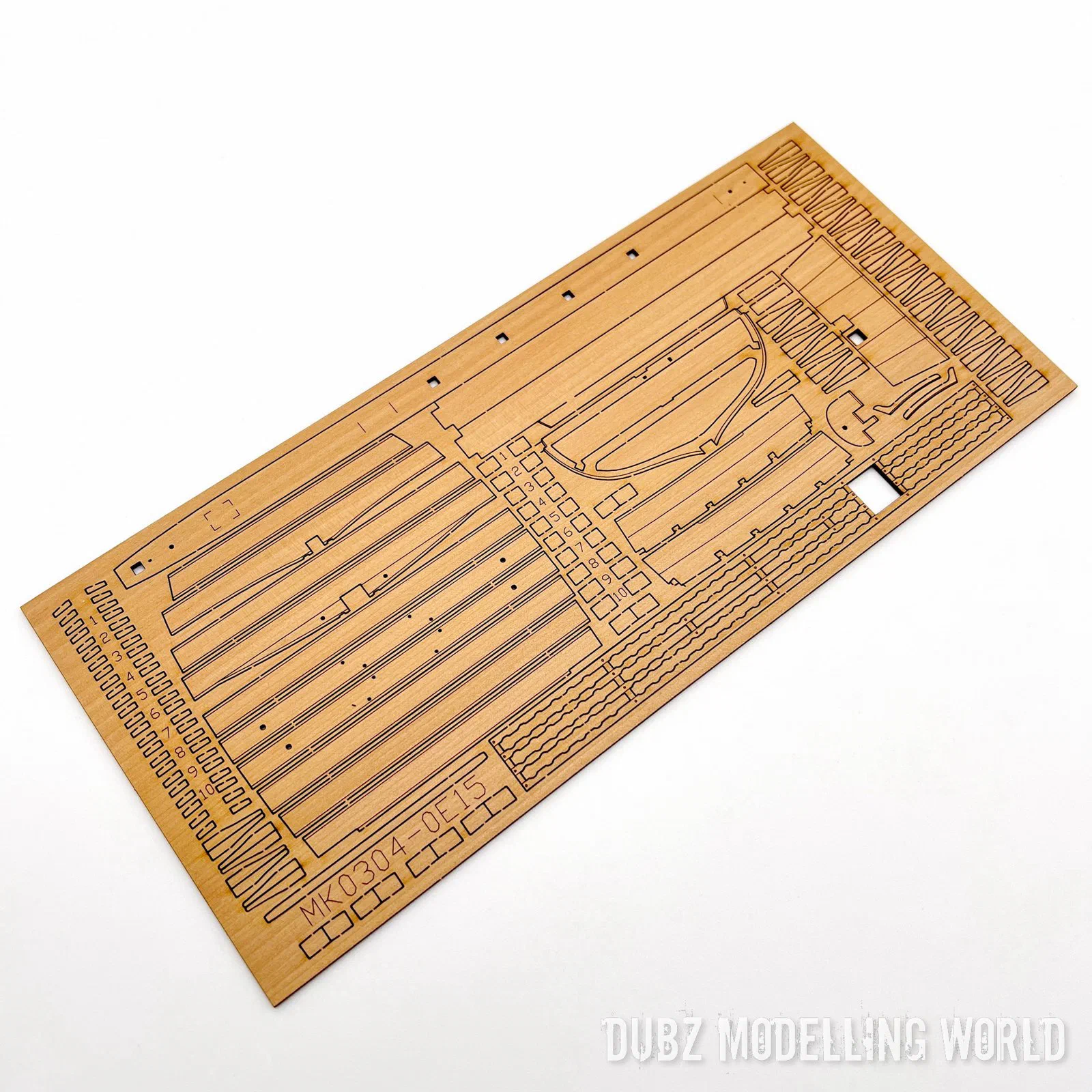
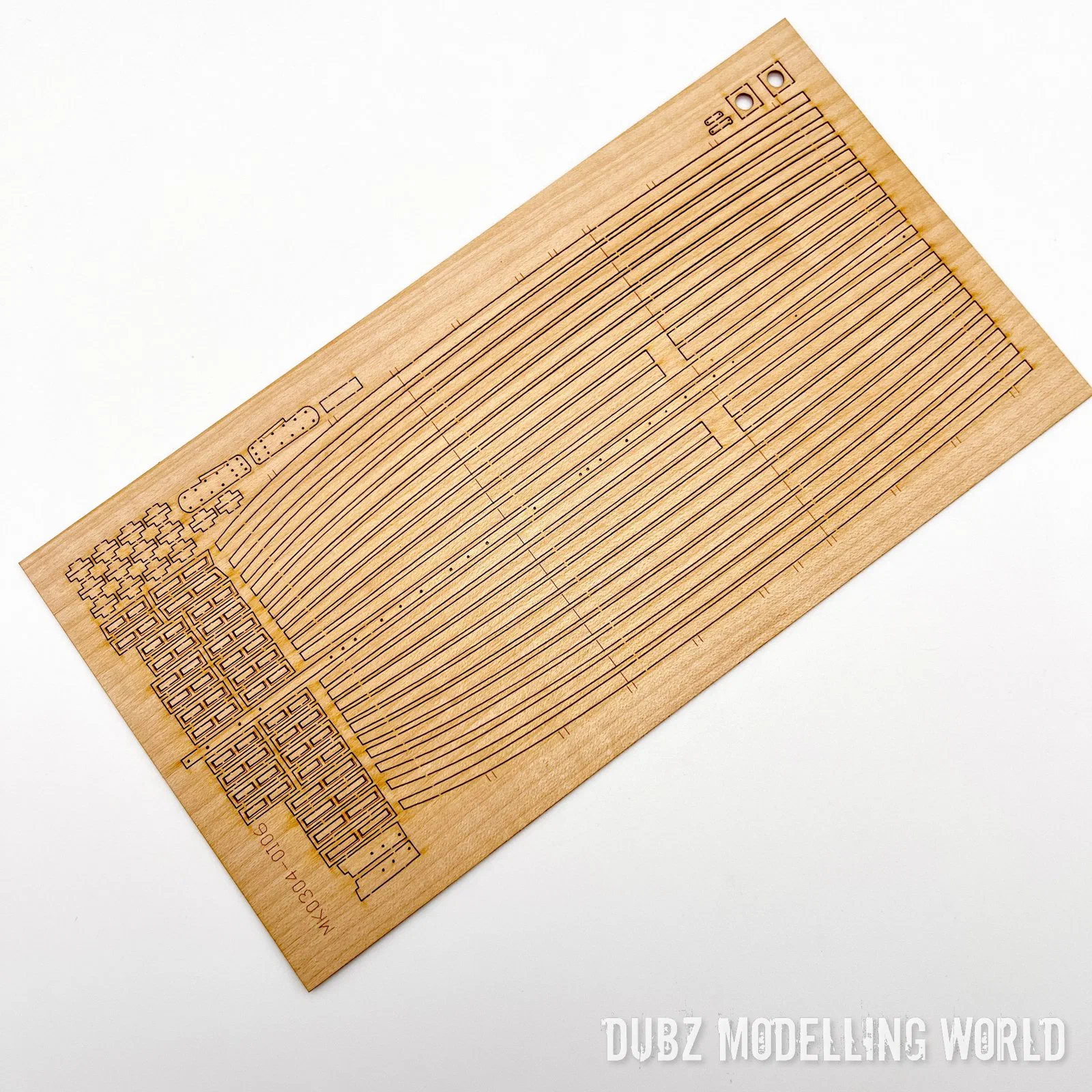
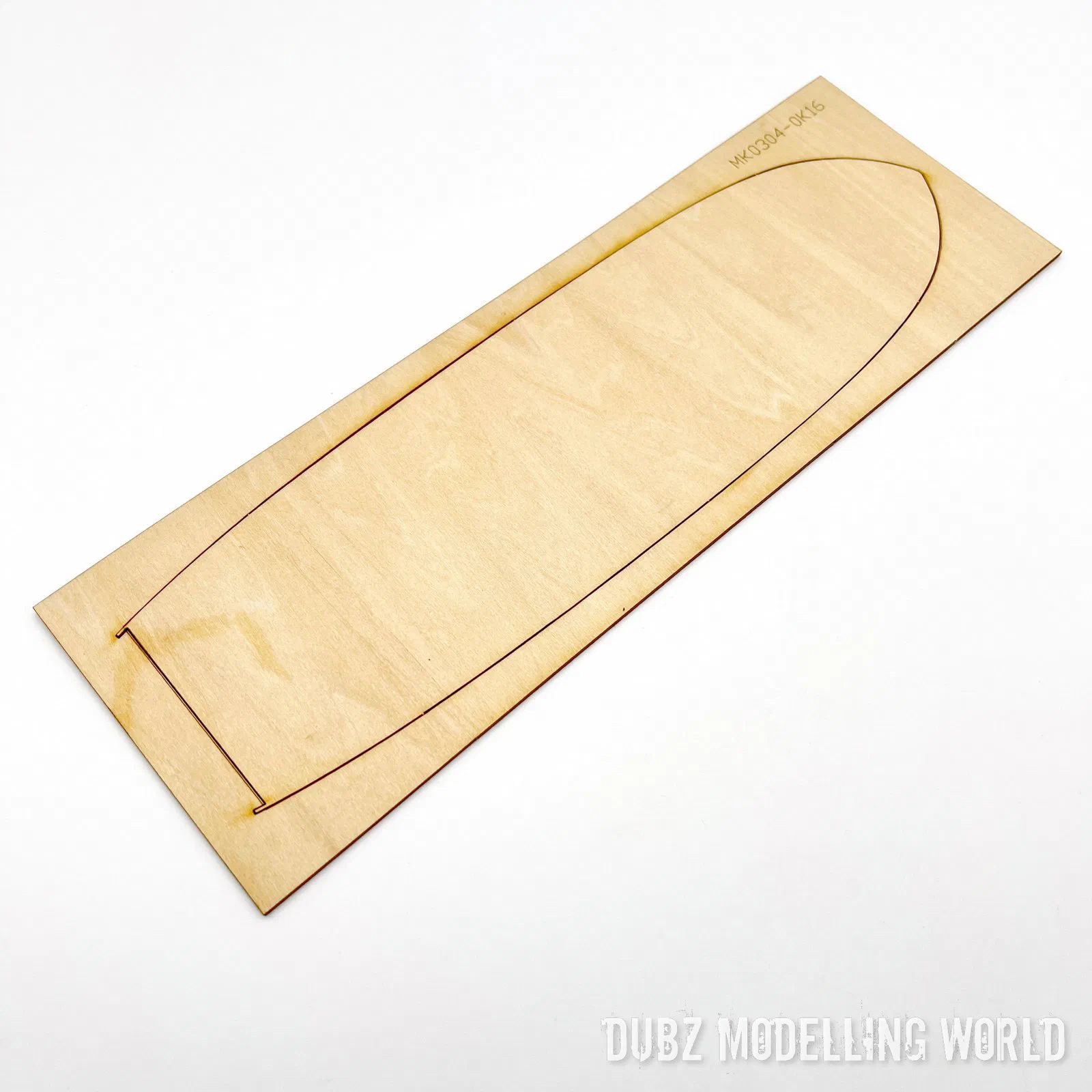
Photo-etch, nameplates and sail cloth
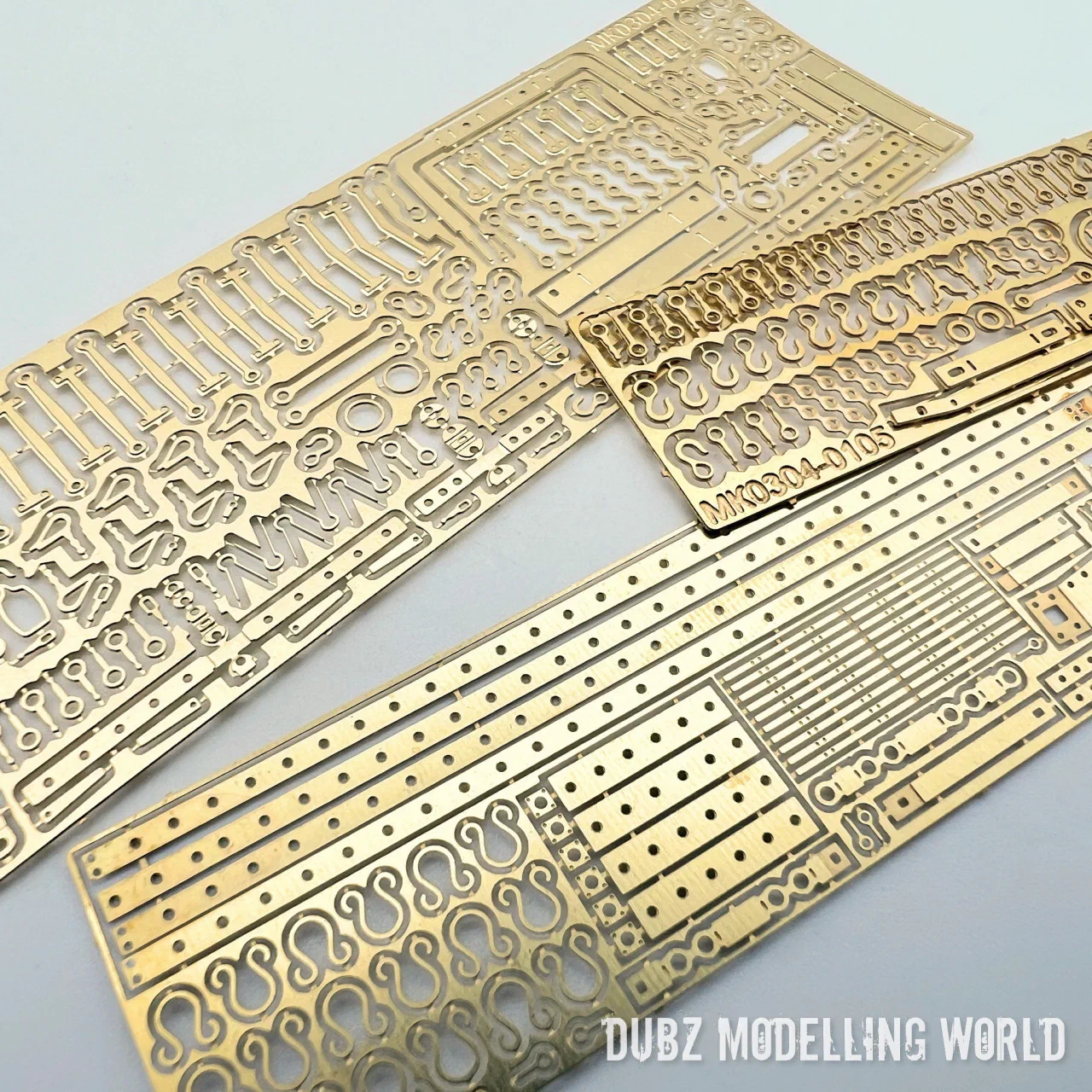
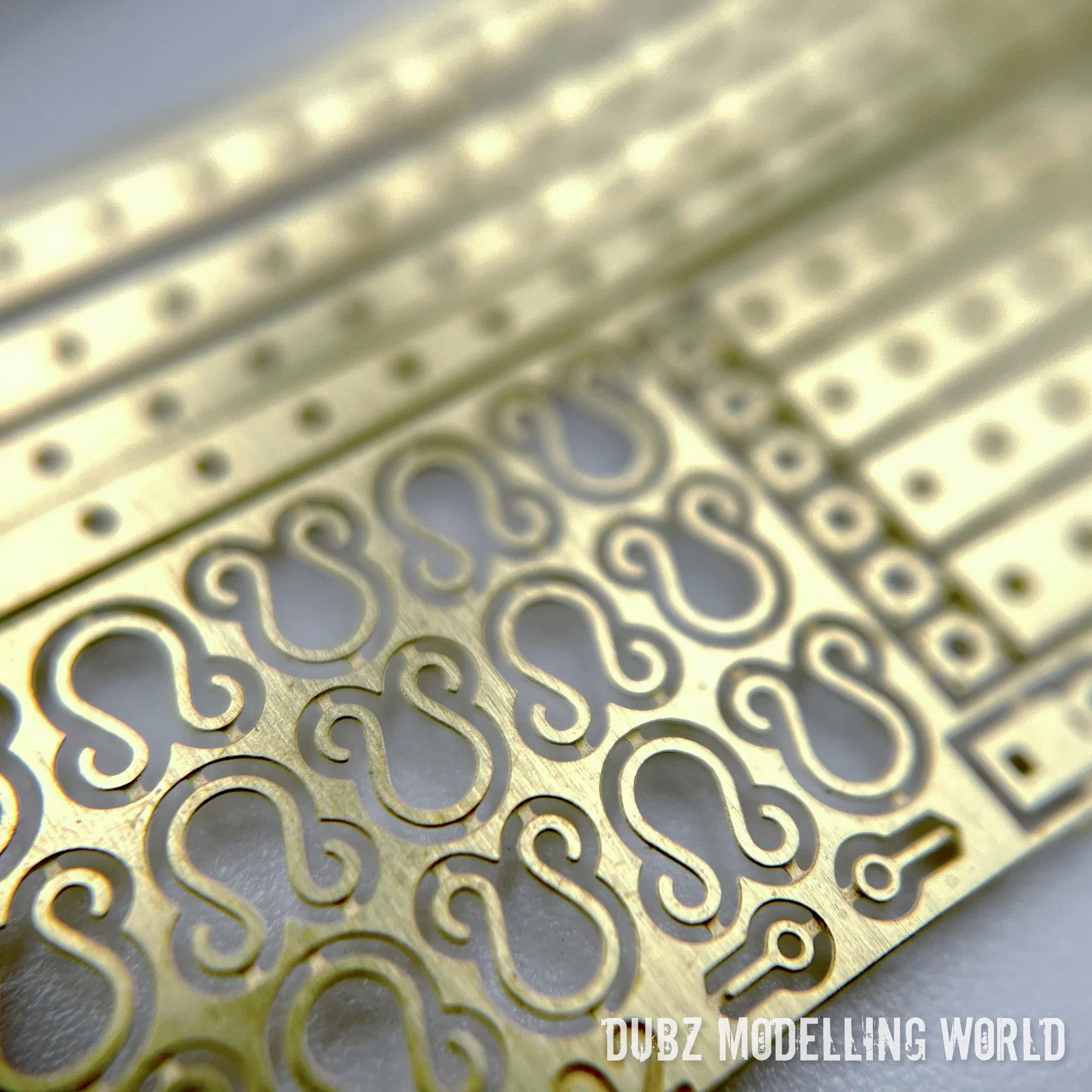
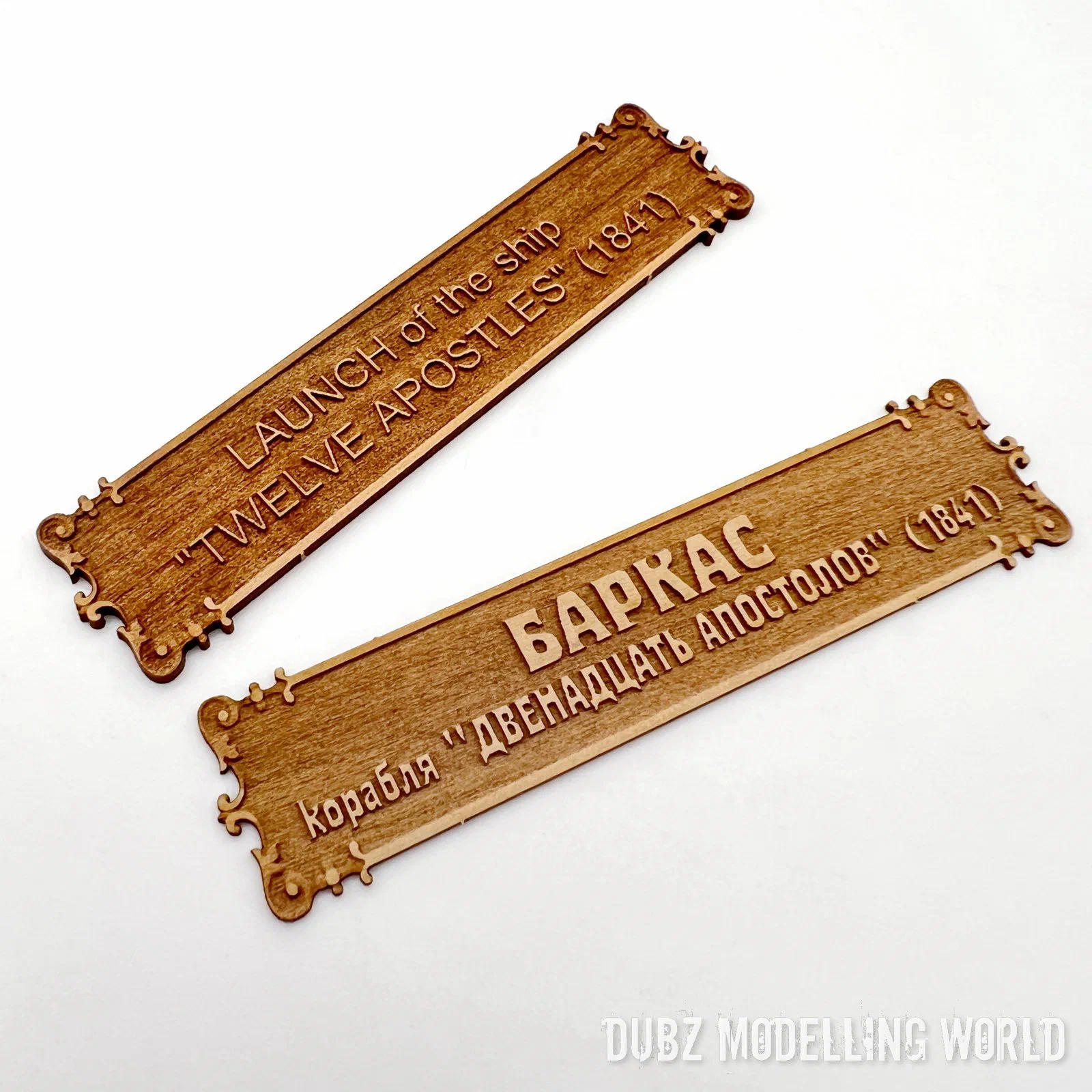
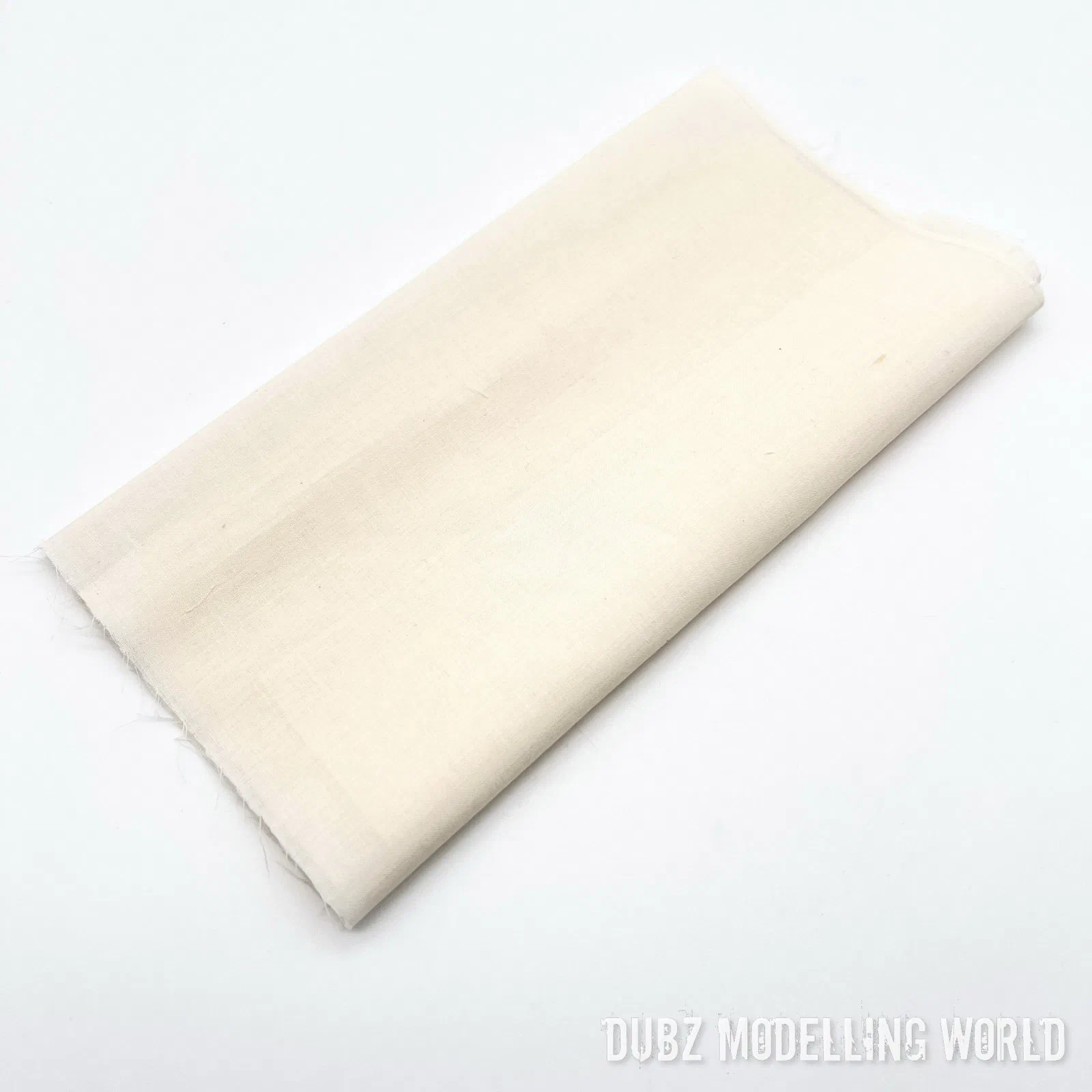
The photo-etched parts are two-layered and of excellent quality; on three sheets there is nothing missing. As usual with Master Korabel there are two nameplates, one in Russian and one in English, and percale fabric is included for making your own sails.

The instructions
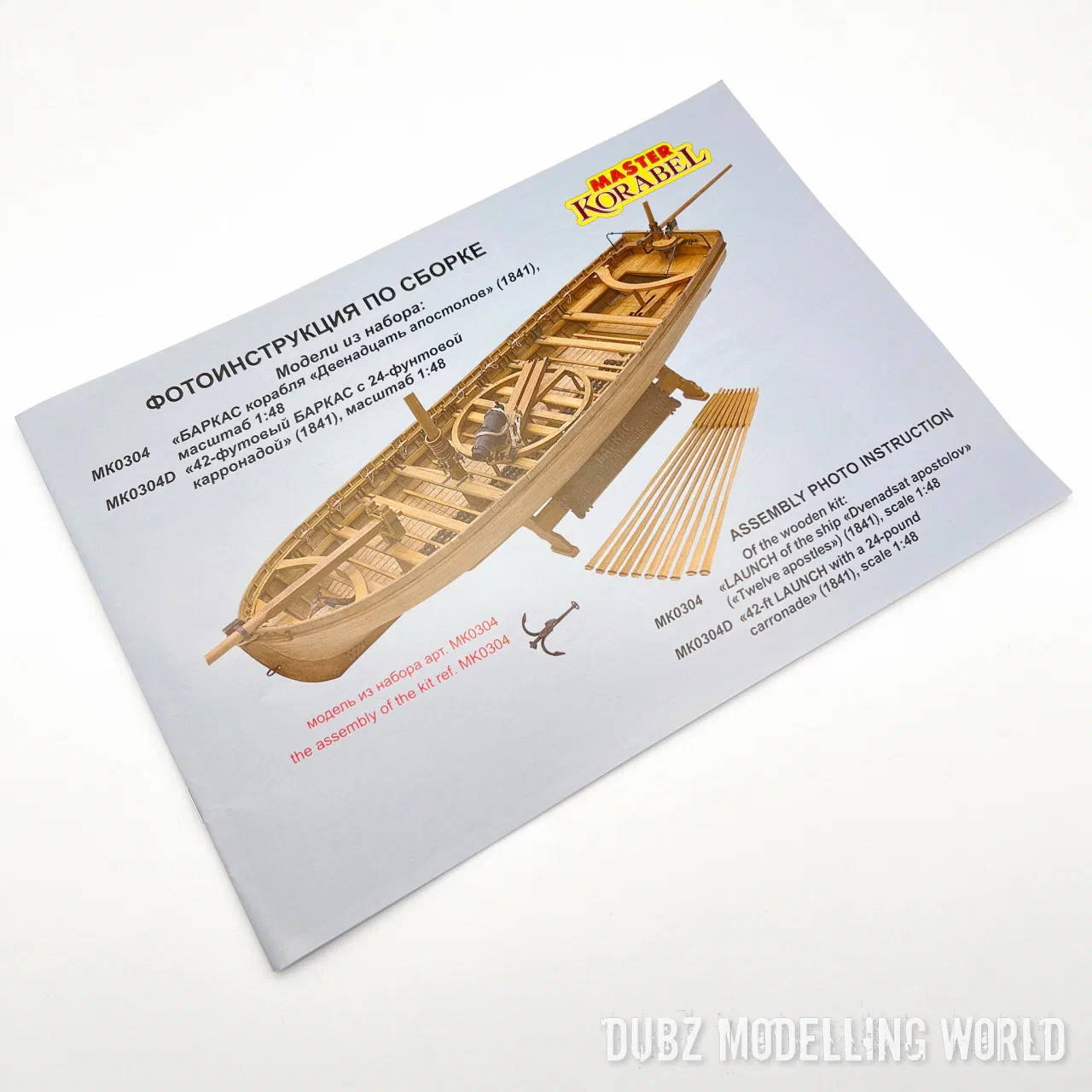
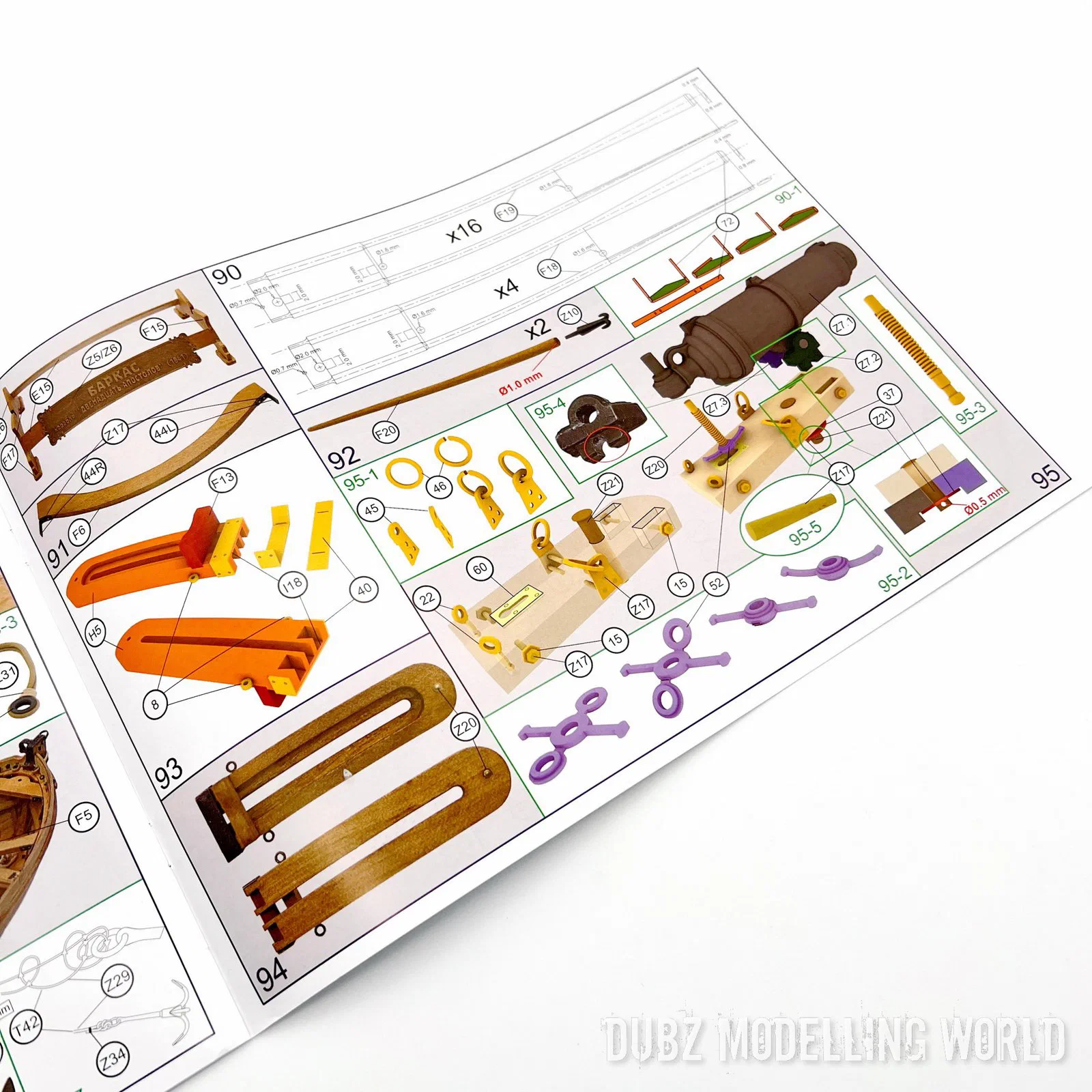
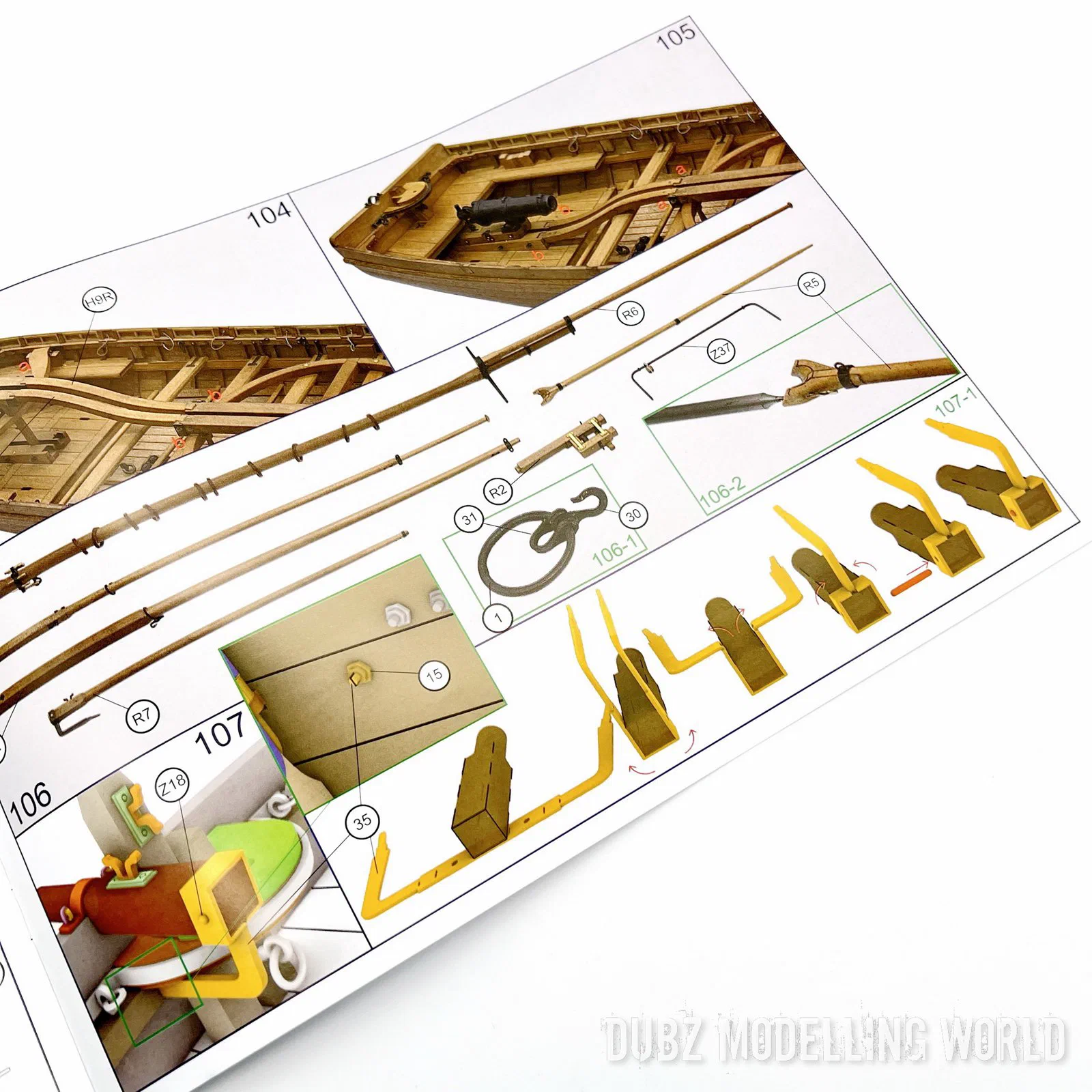
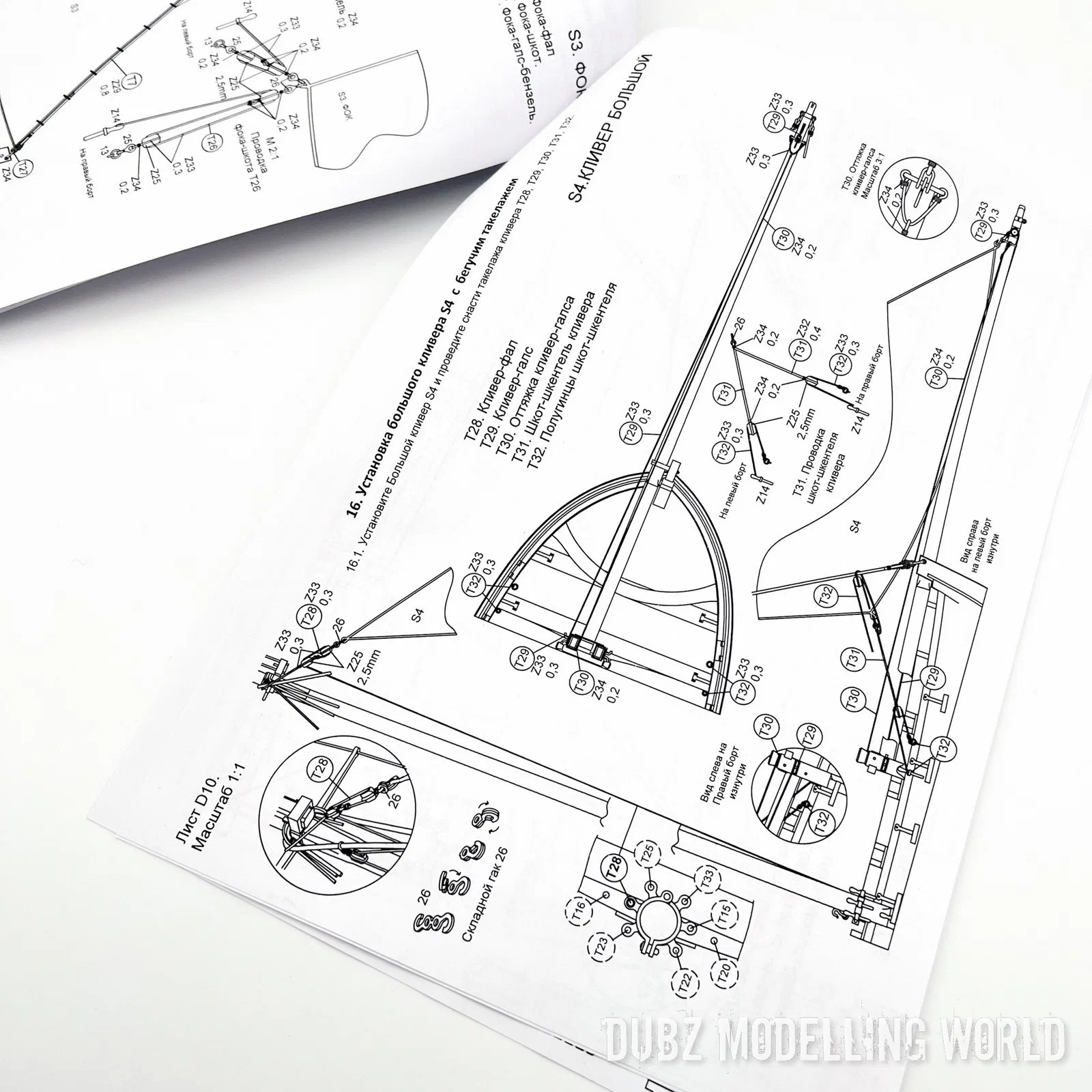
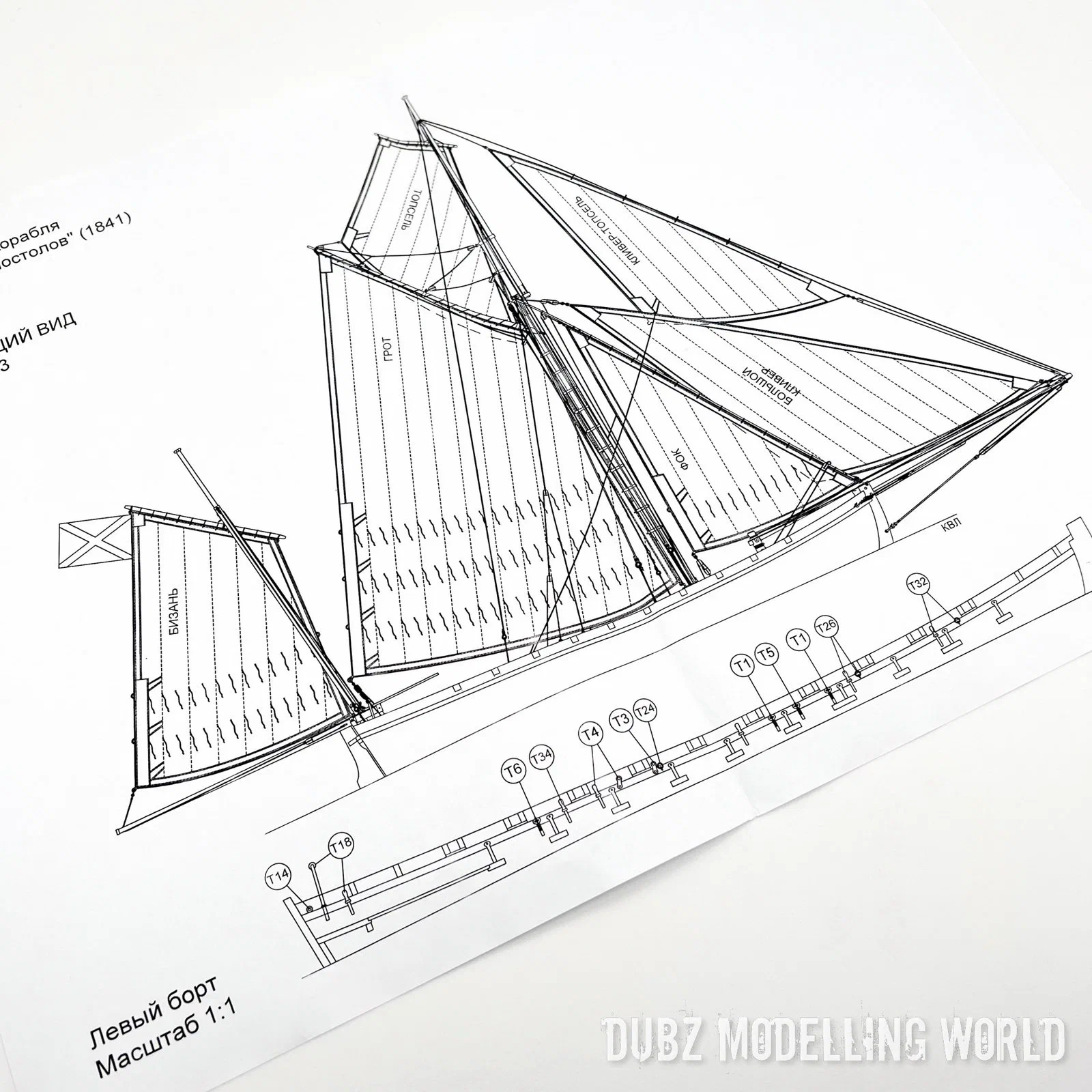
As usual with Master Korabel, a picture guide shows every step of the build. The text instructions, material list and rigging instructions are in Russian; an English version was announced and the manuals can be downloaded as PDF from Master Korabel.

Conclusion
To be honest, I was blown away by the quality of this kit. It was a pleasure to unpack it and look at every single part. In my opinion the Russian manufacturers are among the best, both in kit design and in the quality of manufacture – and all the little things you would throw away in other kits are just right here: blocks, metal parts, shot. The only drawback, as so often, is the rigging thread. There would be potential for a few more 3D-printed parts, but that is criticism at the very highest level. This kit is one of the best I have had the pleasure of holding in my hands.
Unfortunately these kits have become difficult to buy, but on the Ships of Scale forum Vladimir (Walterone) is very happy to help and handle the process, which has always worked without a hitch. Thanks, Vladimir! Basically a 100 % buy recommendation. My sincere thanks go to Master Korabel for sending this kit for review.
Pro
- Pear wood
- Scale 1:48
- High-quality photo-etch
- High-quality 3D-printed parts
- High-quality metal parts
- Very good picture-based manual
Contra
- Rigging thread
- One maple sheet