
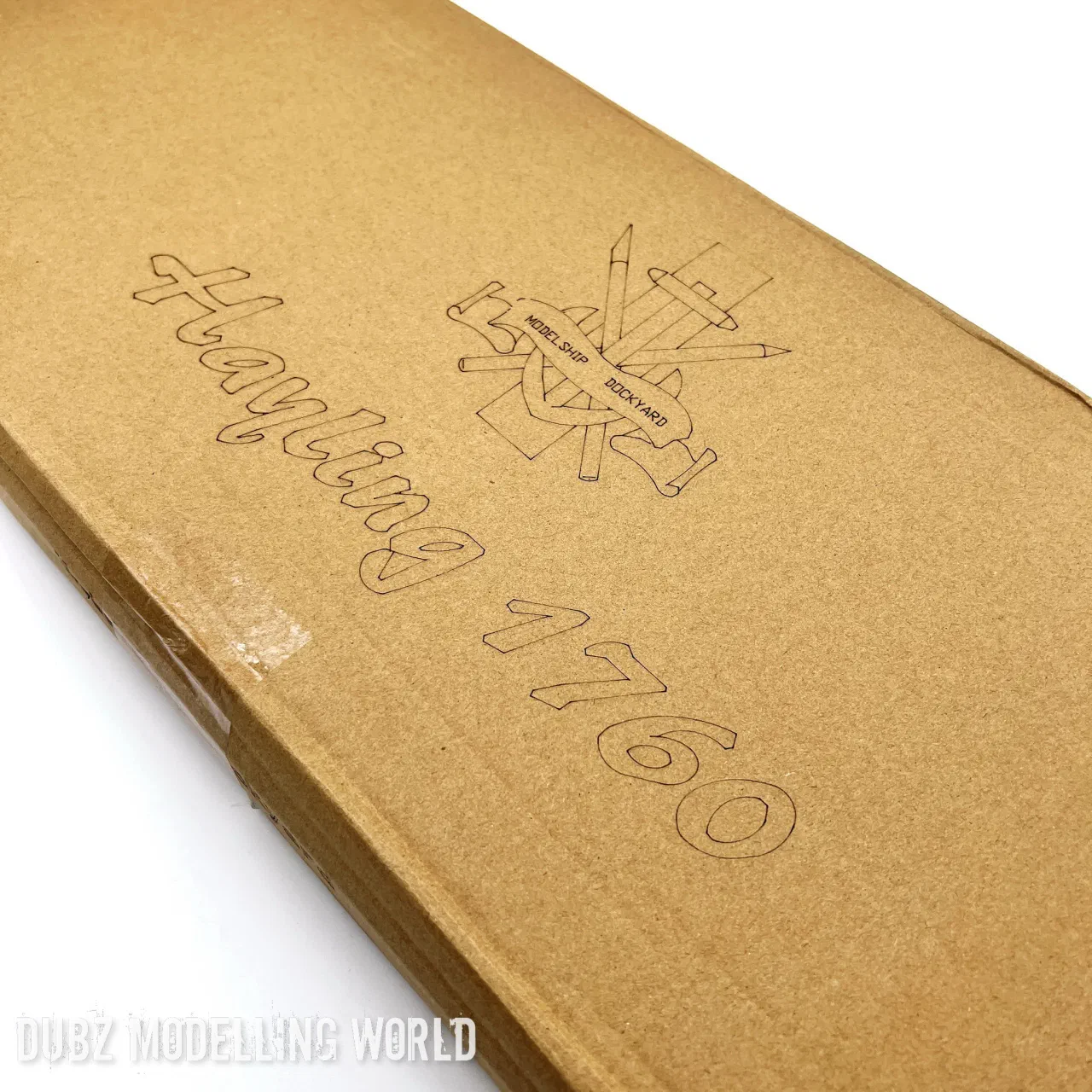
The subject
Modelship Dockyard’s description explains the type well. A hoy was a relatively small coastal sailing vessel, mostly single-masted and of about 20 to 70 tons. Most were sloop-rigged, with or without a boom on the mainsail. Merchants and the Royal Navy used them for all kinds of work: some were built specially to carry fresh water, gunpowder or ballast, others served the revenue or laid buoys and did survey work – but most of all they carried passengers and goods, much like taxis. Passengers on the shore would call “ahoy there!” to stop them, which is said to be where the name hoy comes from.
At 66 feet, the flat hoy Hayling was one of the larger vessels of her kind. She was built at a small yard near Portsmouth, took her name from Hayling Island next to Portsmouth Harbour, and was used mainly to carry timber between ports – hence her hatch. Modelship Dockyard based the kit on the high-resolution scans of the drawings in the National Maritime Museum, together with dozens of drawings of related vessels, many books and contemporary models.
The kit
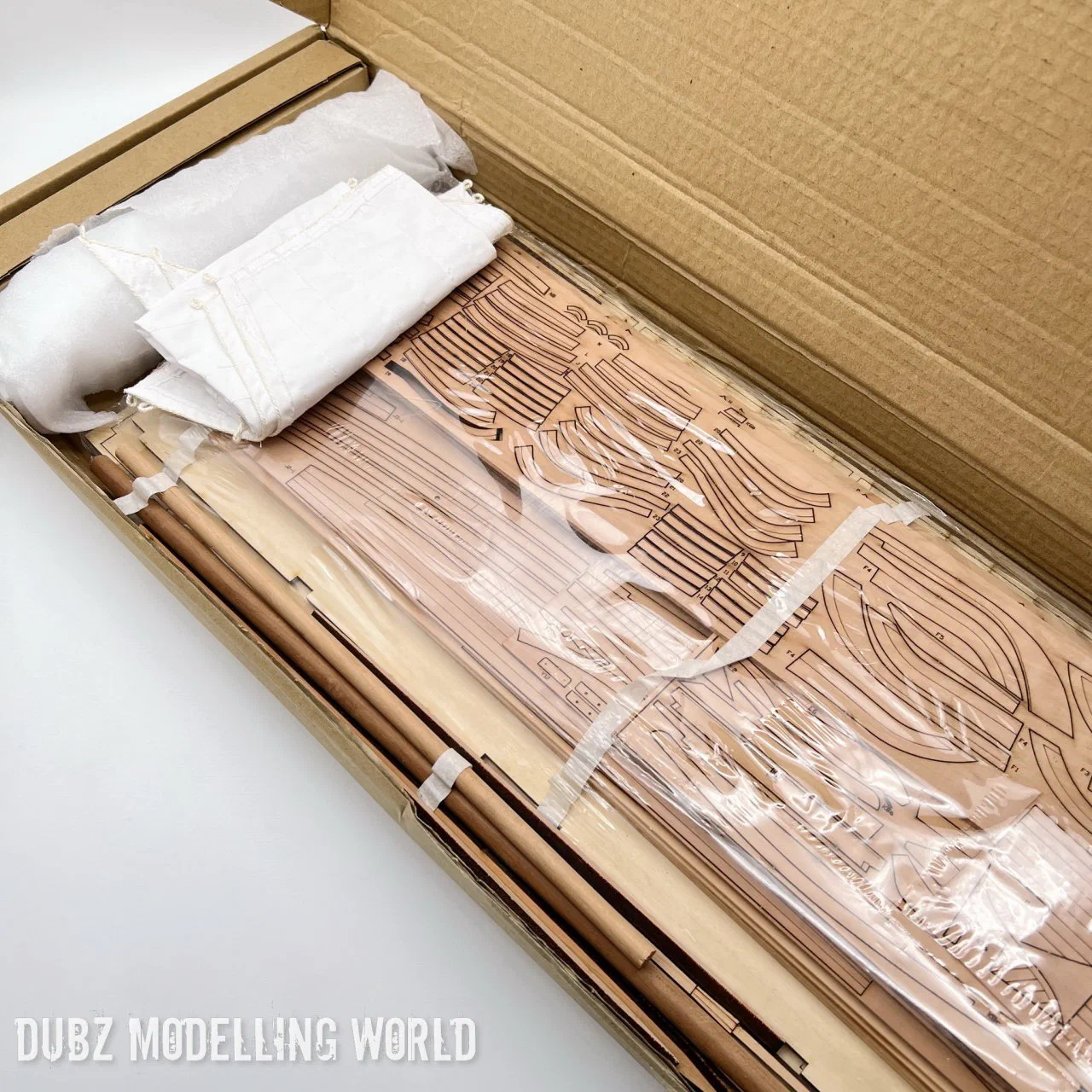
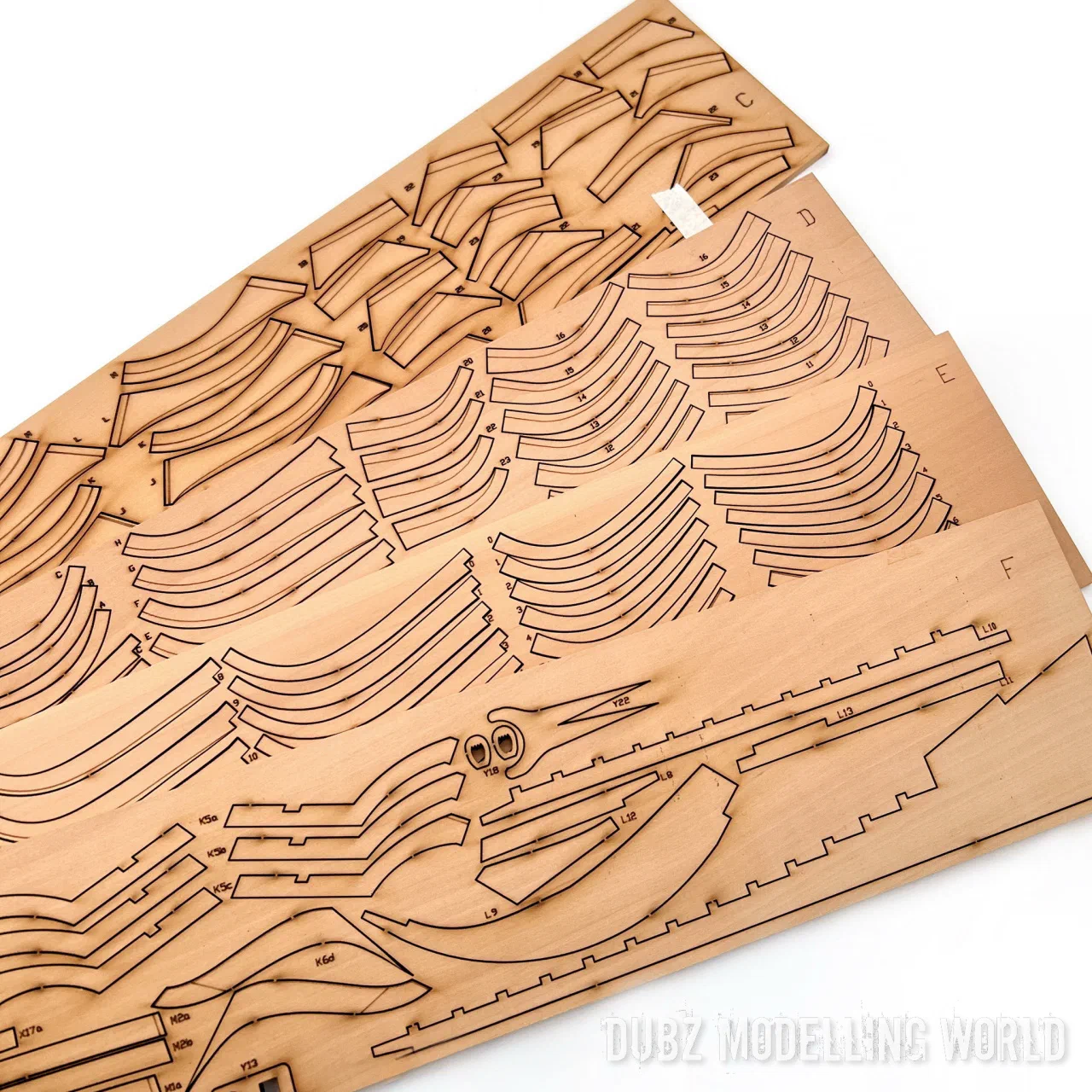
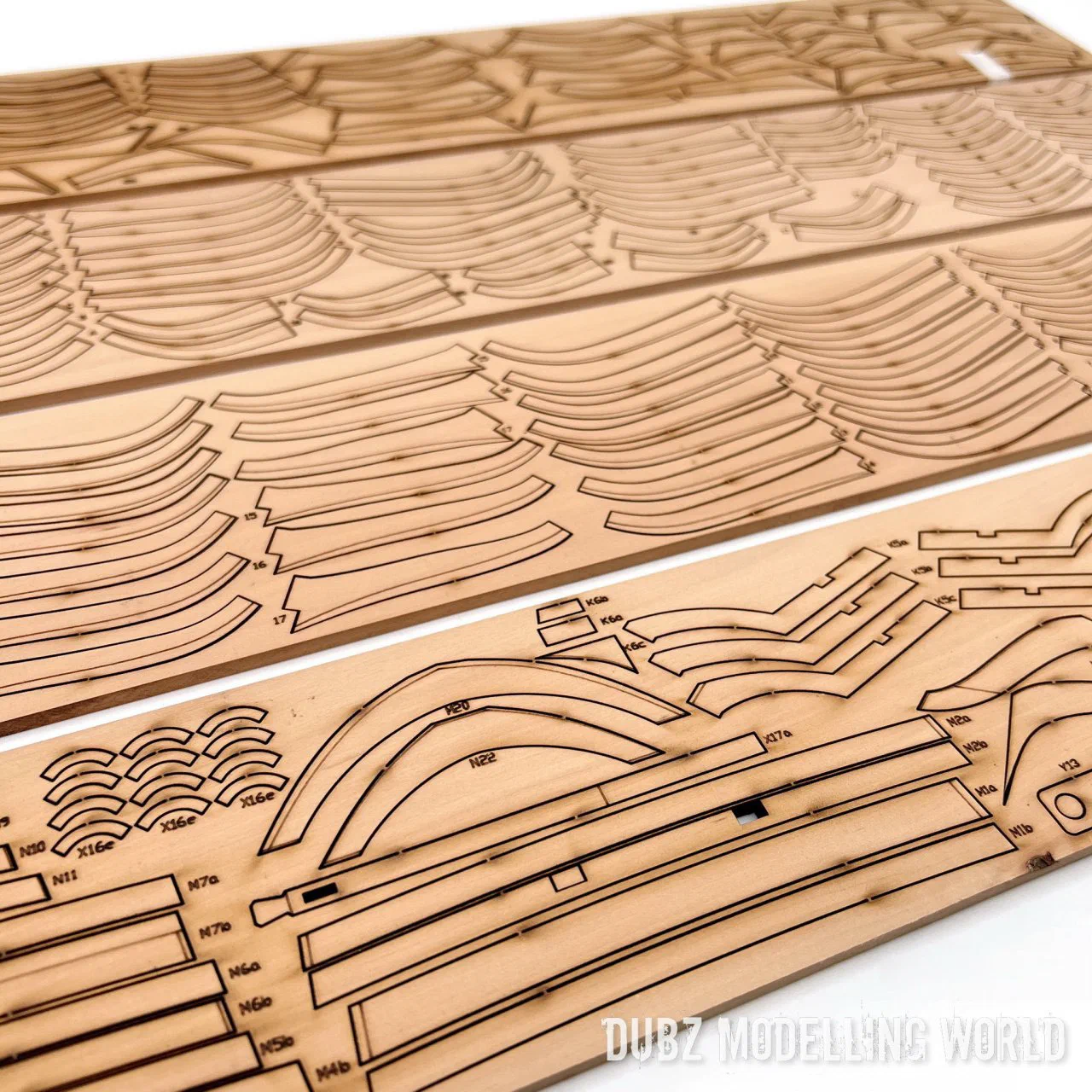
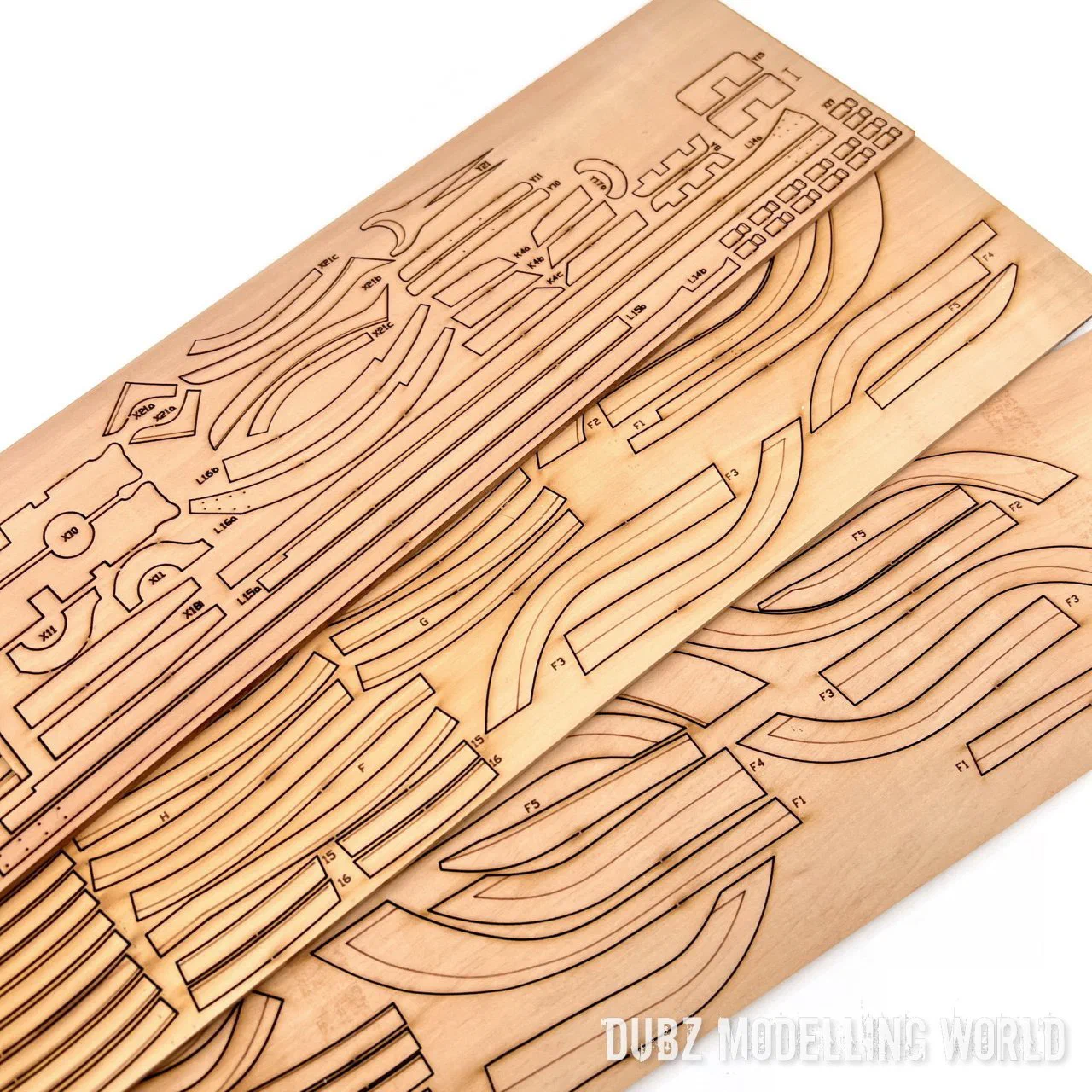
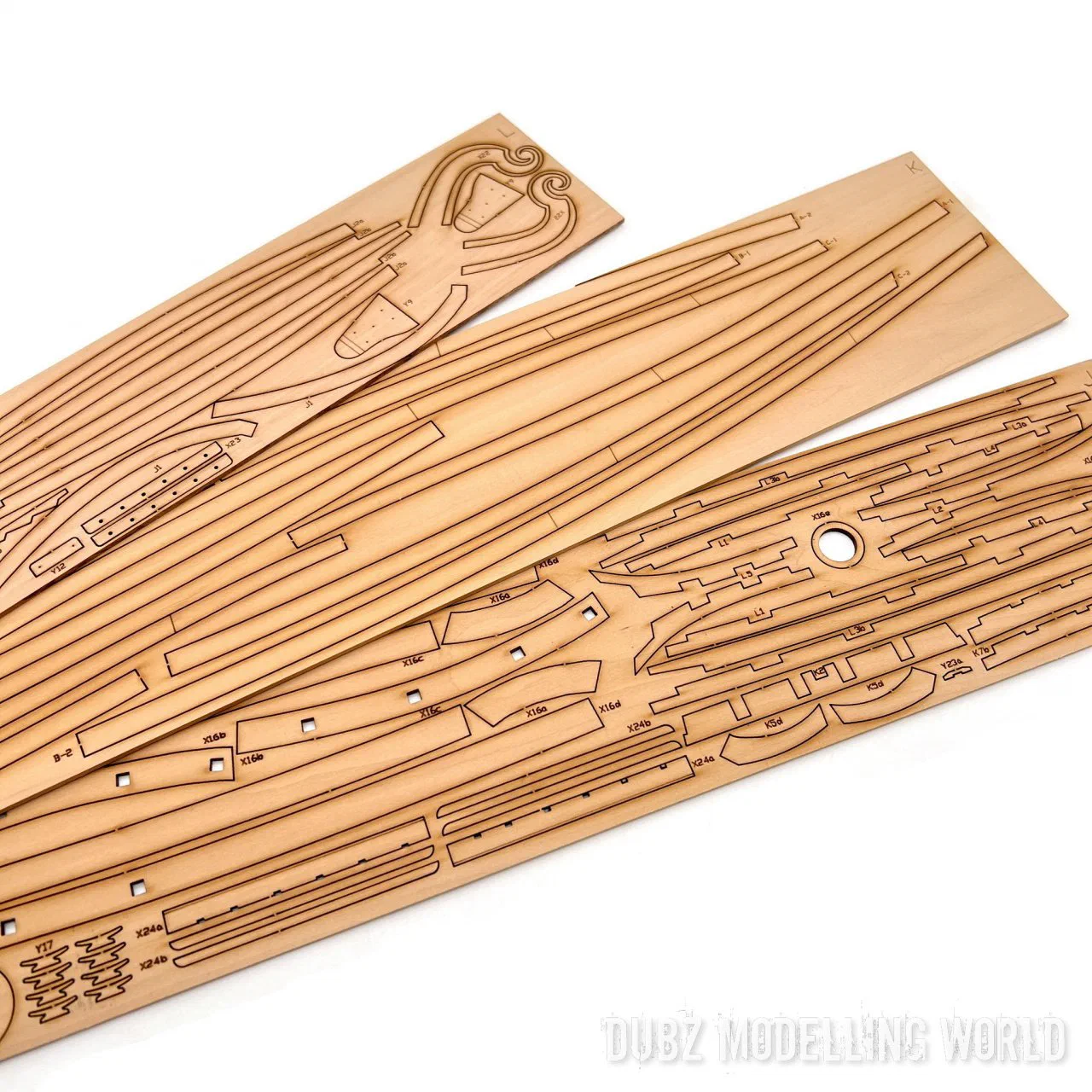
In 1:48 the model is 675.5 mm long overall, 653 mm high and 341 mm wide; the hull alone is 488 mm long and 135 mm wide. The manufacturer rates it intermediate to advanced. The box contains four sheets of laser-cut plywood for the building jig, pear sheets in 6, 5, 4, 3, 2 and 1 mm (sheets A to P), cherry dowels for the masts, rope, high-quality pear blocks and pre-sewn sails. Everything is stored safely and tidily.
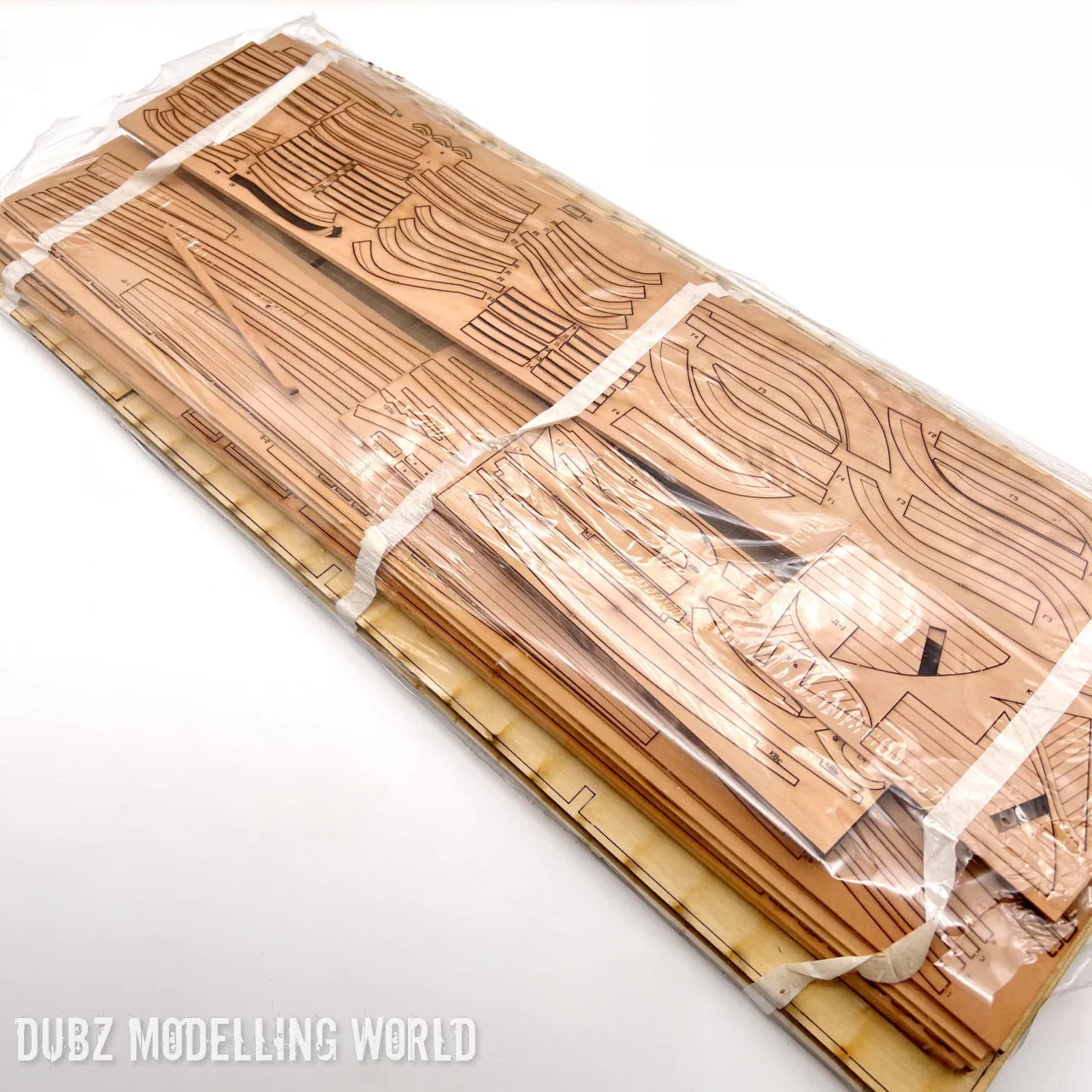
Building jig and pear sheets
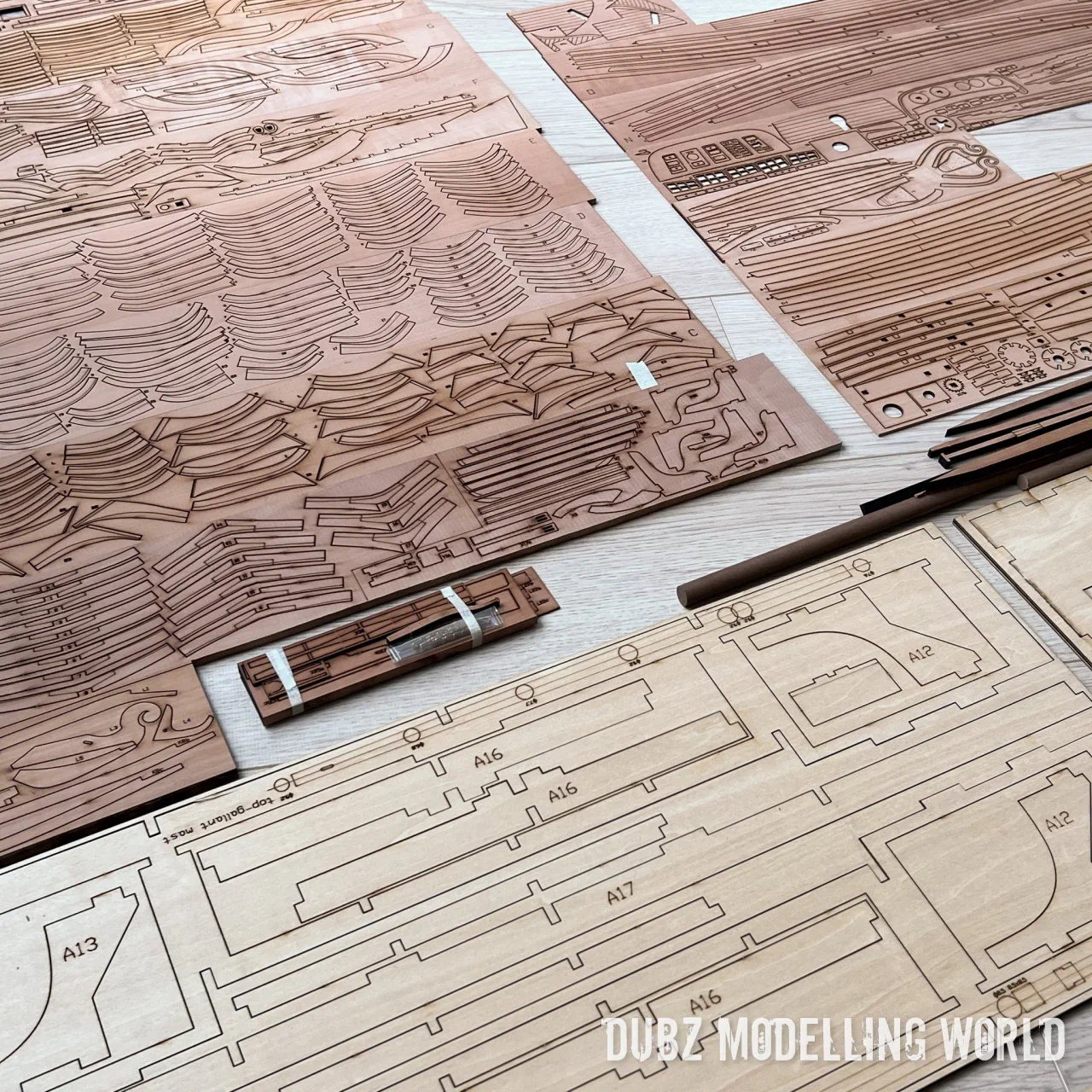
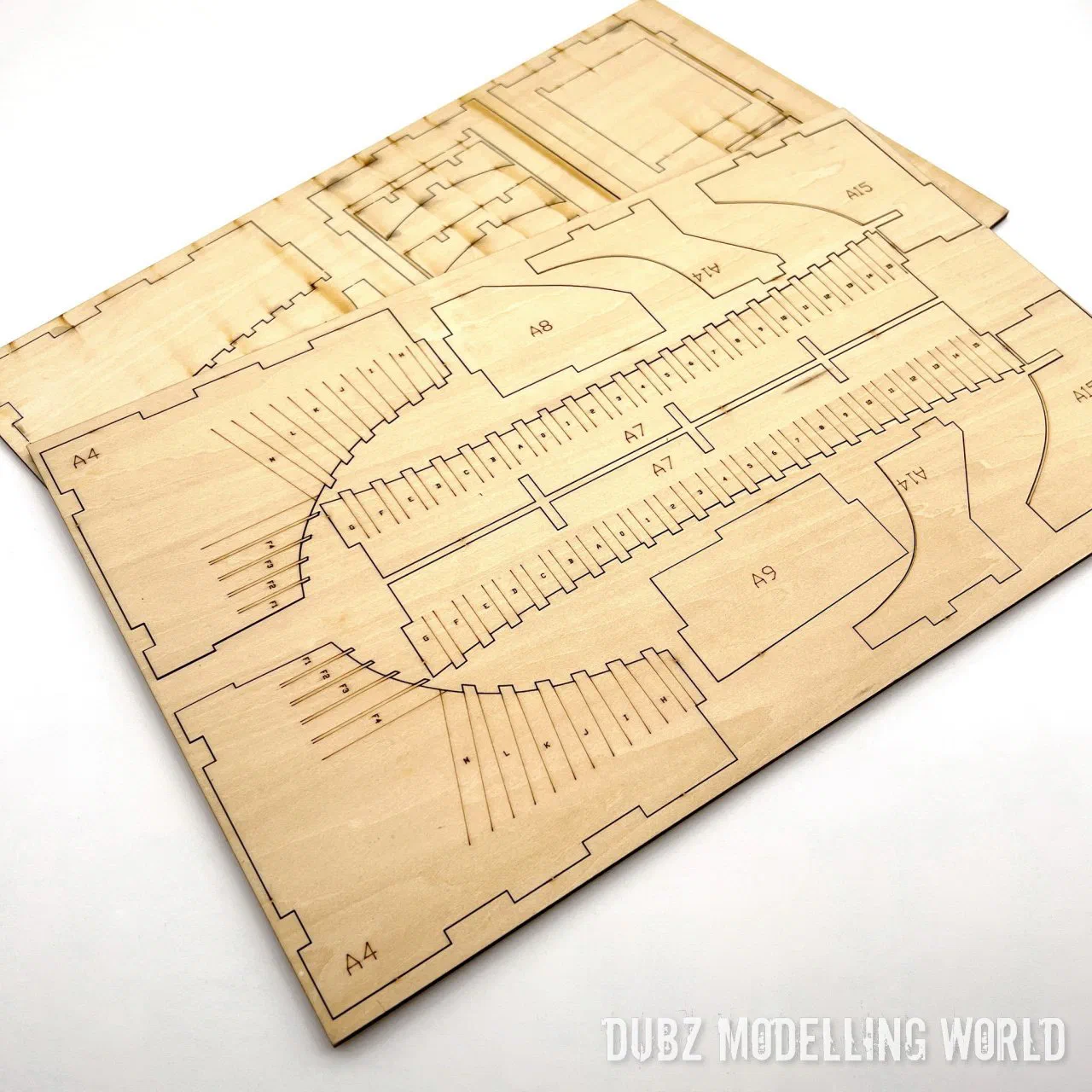
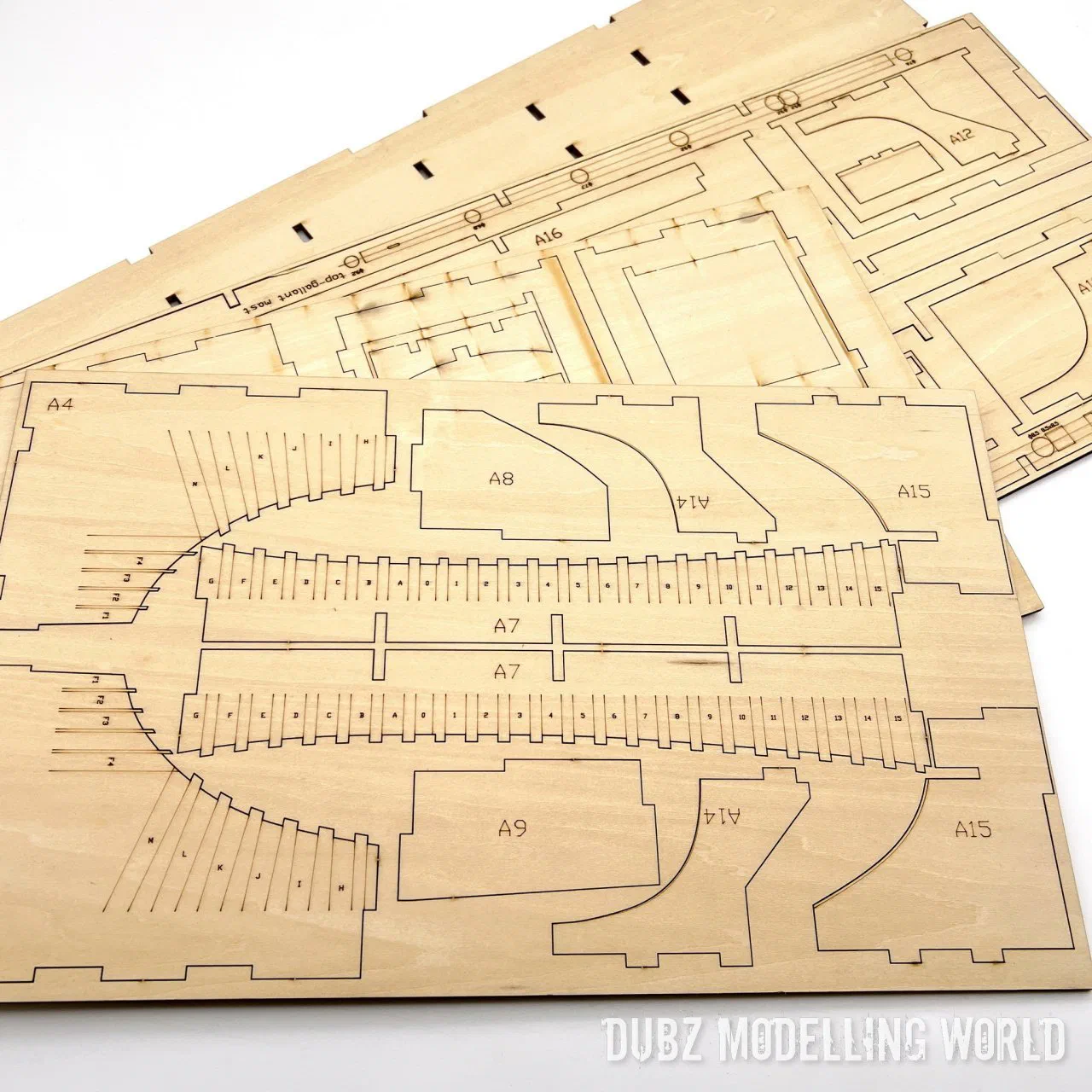
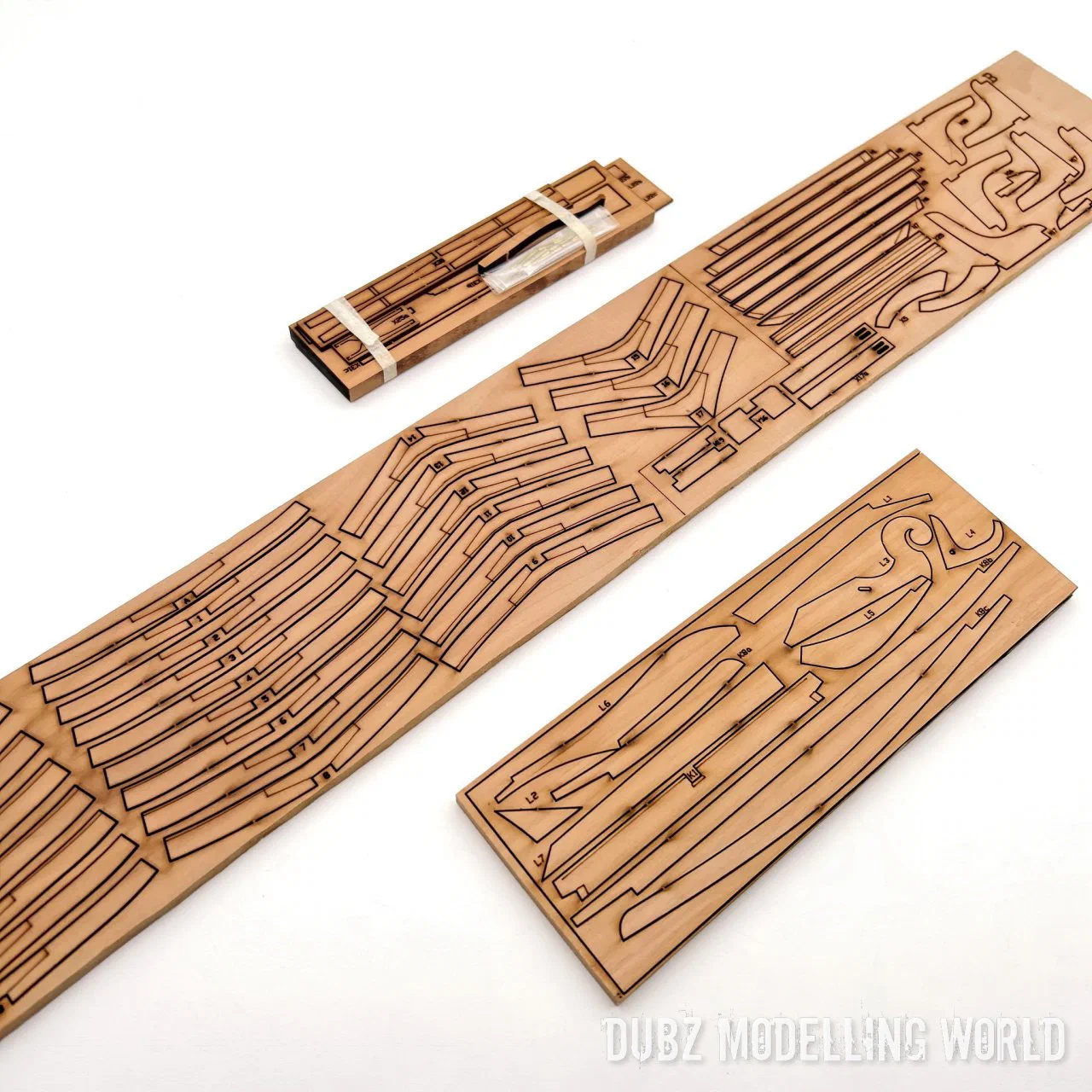
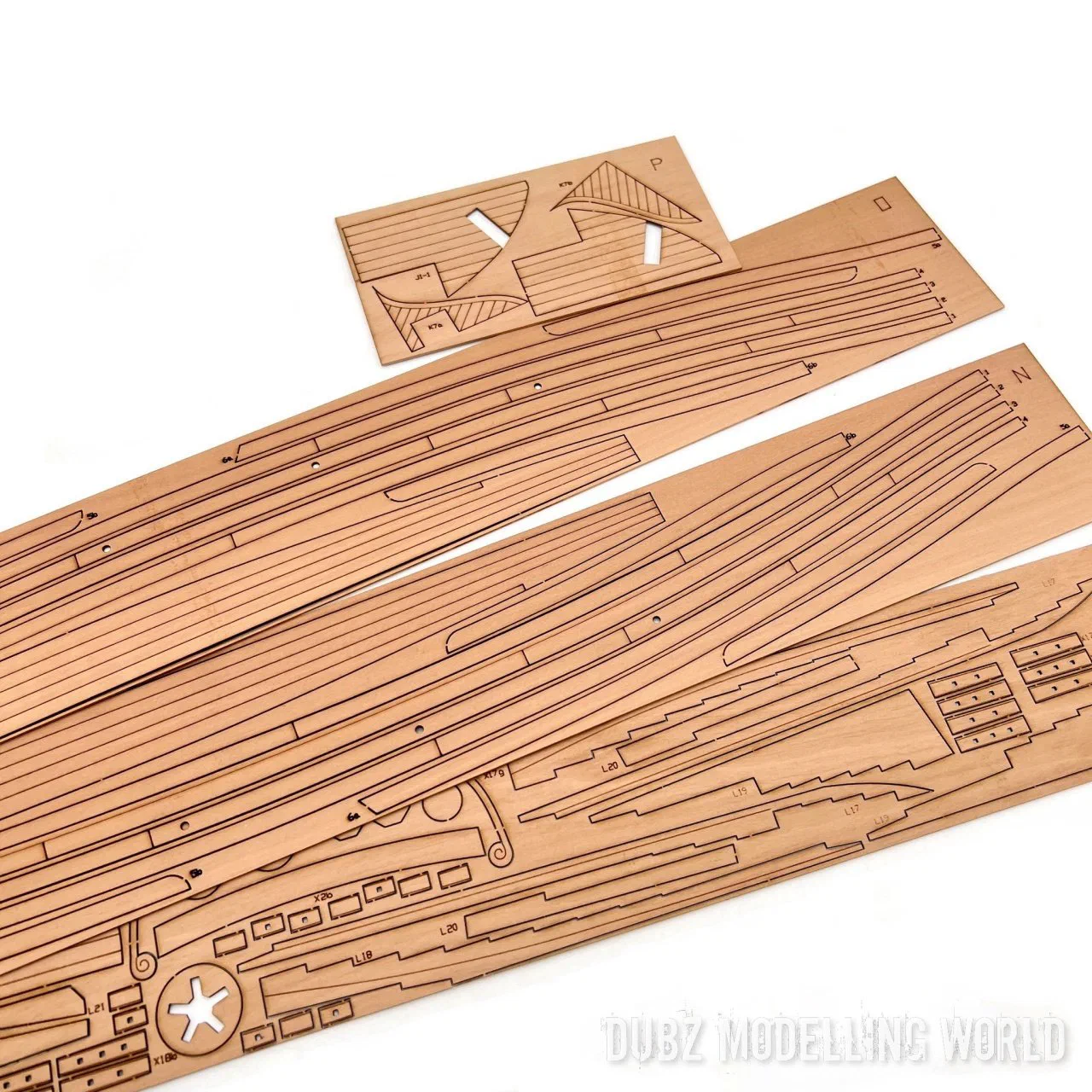
Let’s start with the wood package, sheets A to P, and the perfectly lasered plywood for the building jig. Then the thicker pear sheets A and B, the 4 mm sheets C to F, the 3 mm sheets G to I, the 2 mm sheets J to L and the 1 mm sheets M to P – pear, lots of it.
Masts and yards
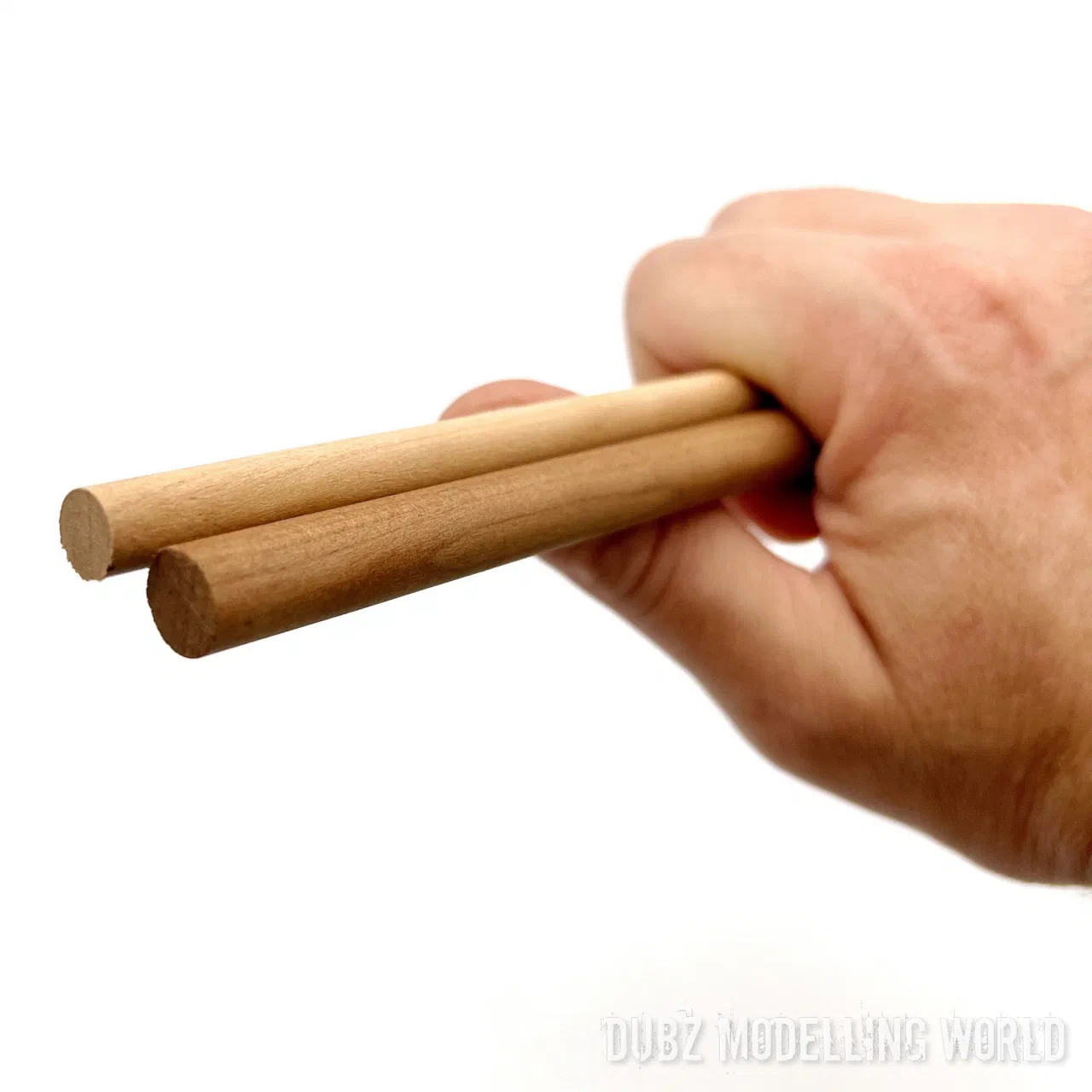
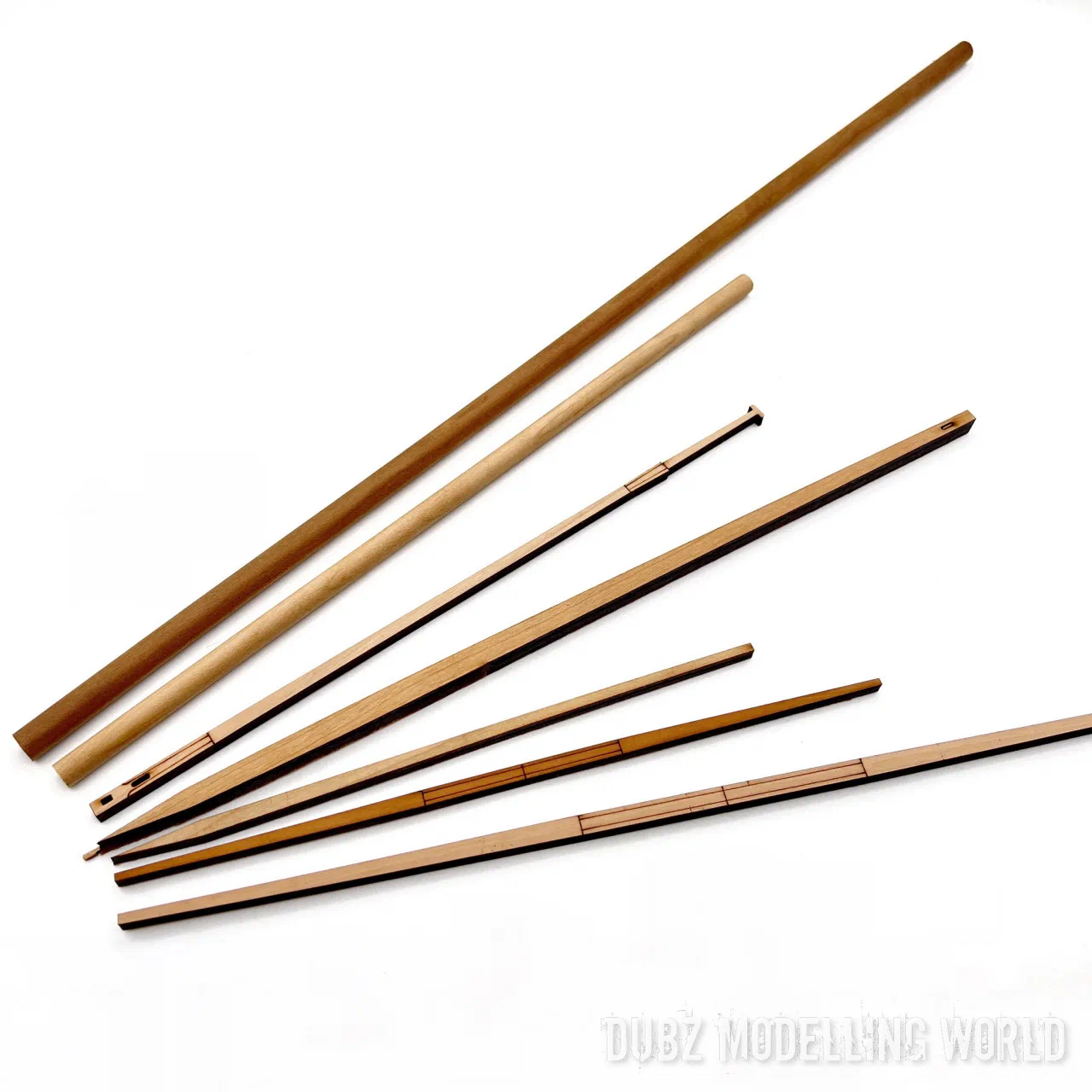
For the masts there are very nice cherry dowels. The quality of the wood is excellent – sharp edges, no splinters. The yards are lasered from pear.
Small parts
The small parts come in a separate box: a USB stick with the manual in Chinese and English, images and PDF plans, brass wire, premium pear blocks, 3D-printed stove, windlass and anchors – it would have been nicer to print them in black resin, in my opinion – some glass for the cabin, a nameplate, lasered pear planks and rope. To be honest, the rope is not very good. The blocks are the same premium pear blocks I reviewed separately (Blocks & Deadeyes by Dry-Dock).
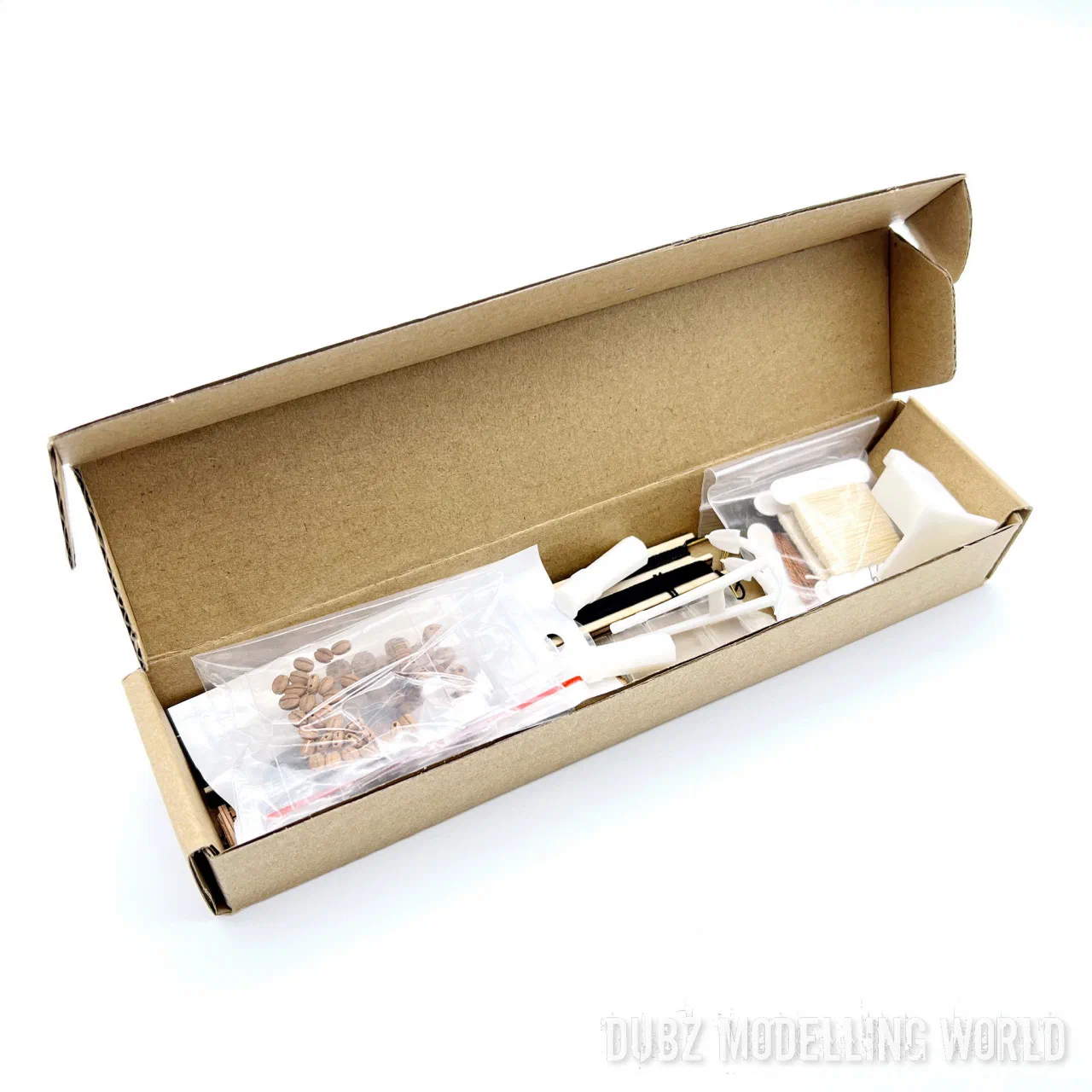
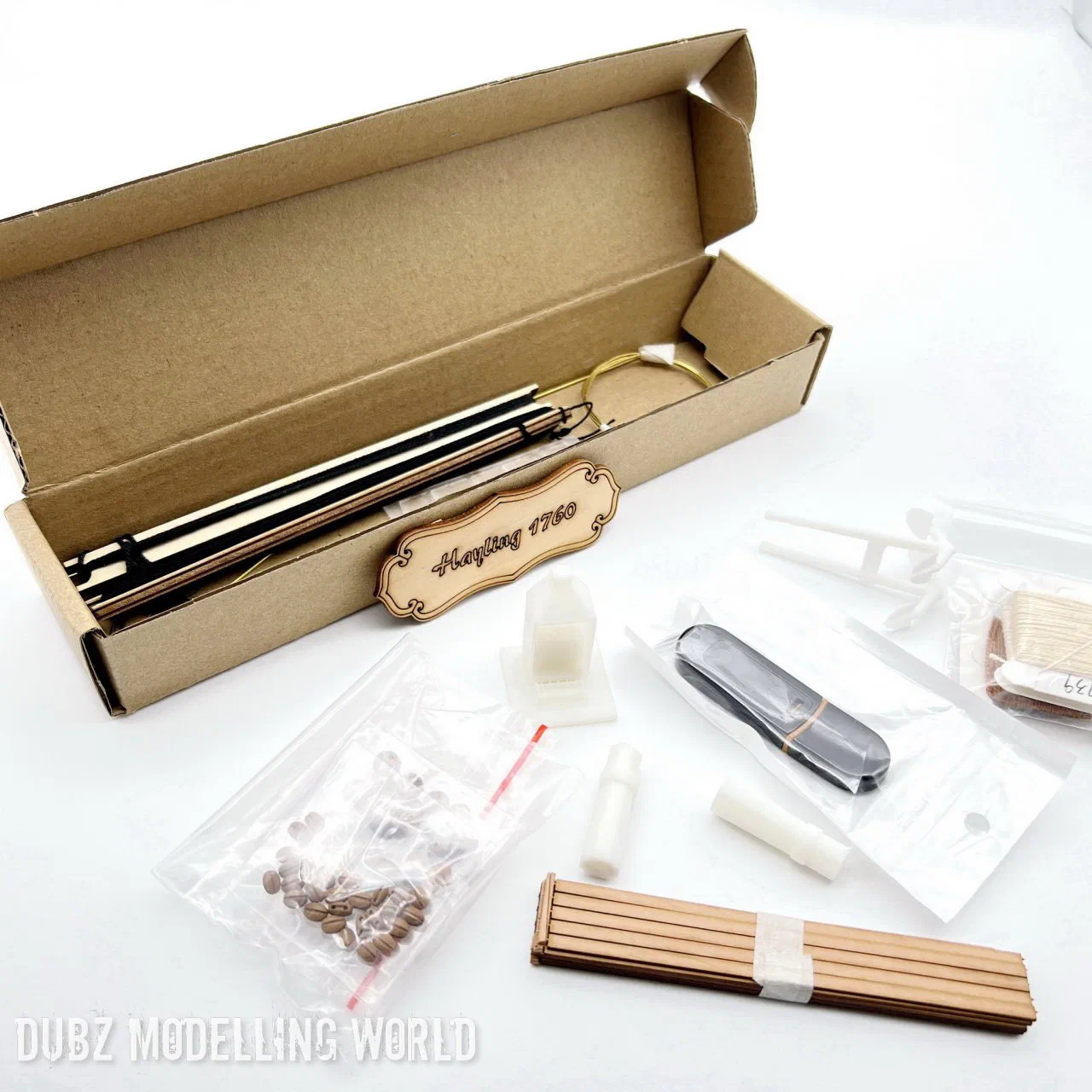
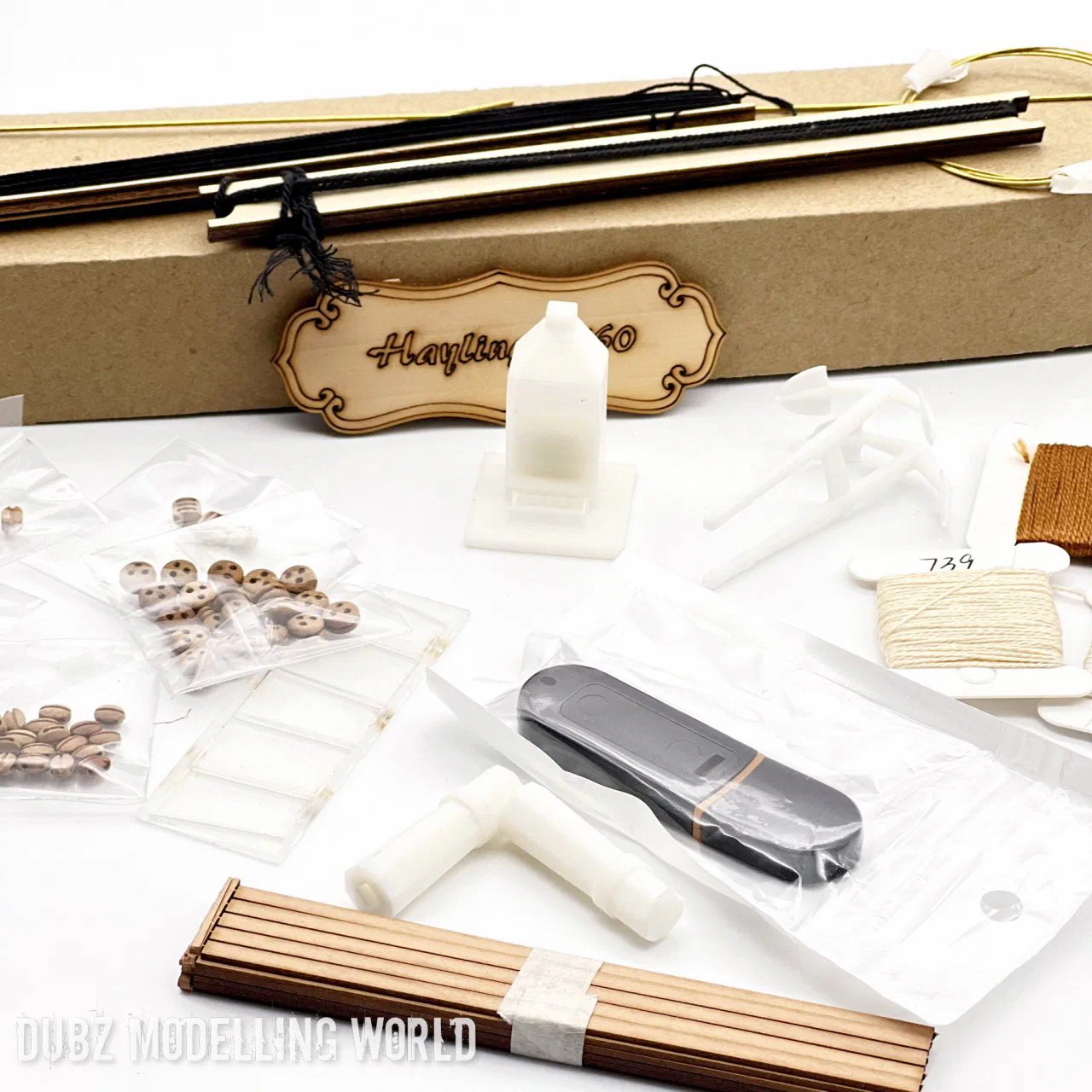
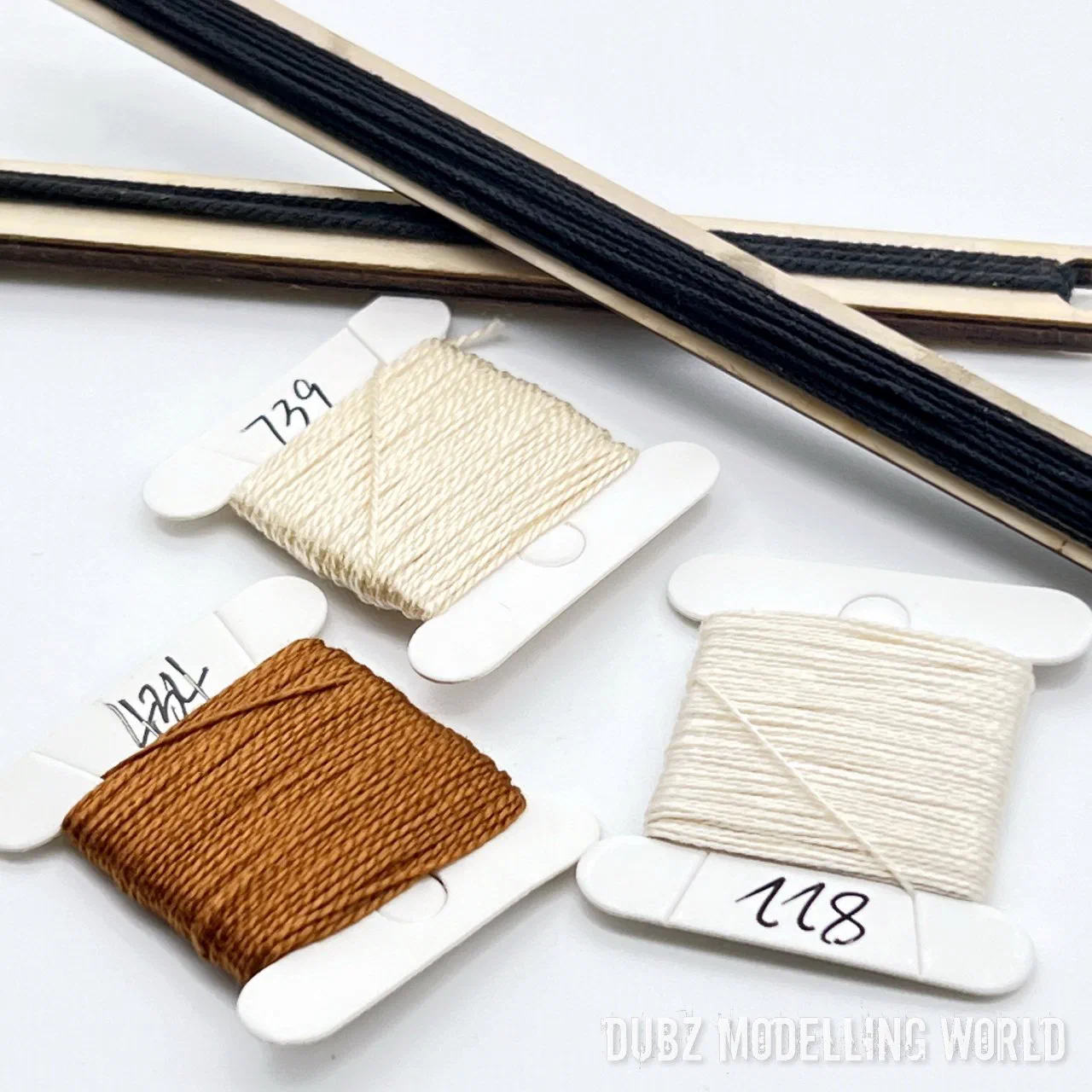
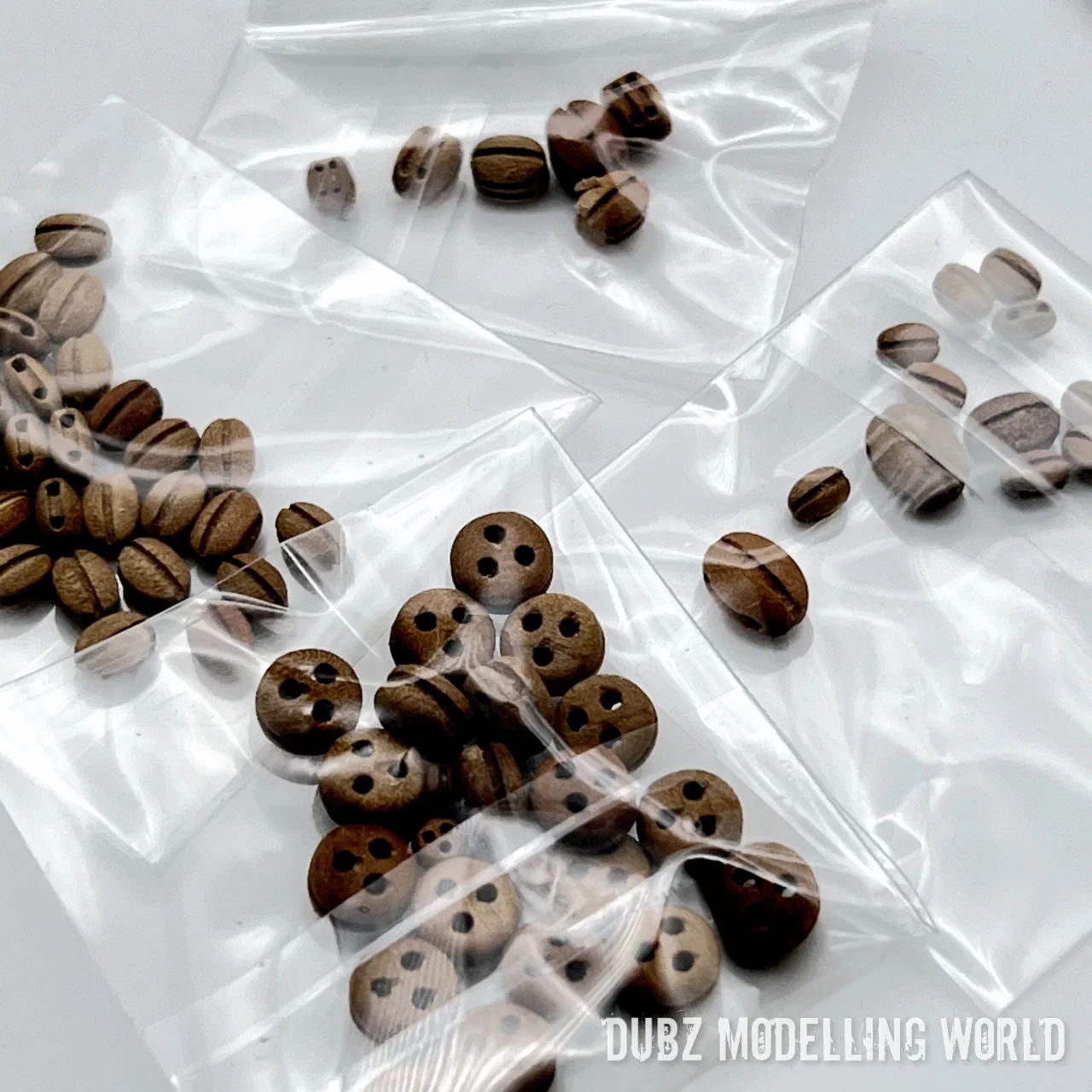
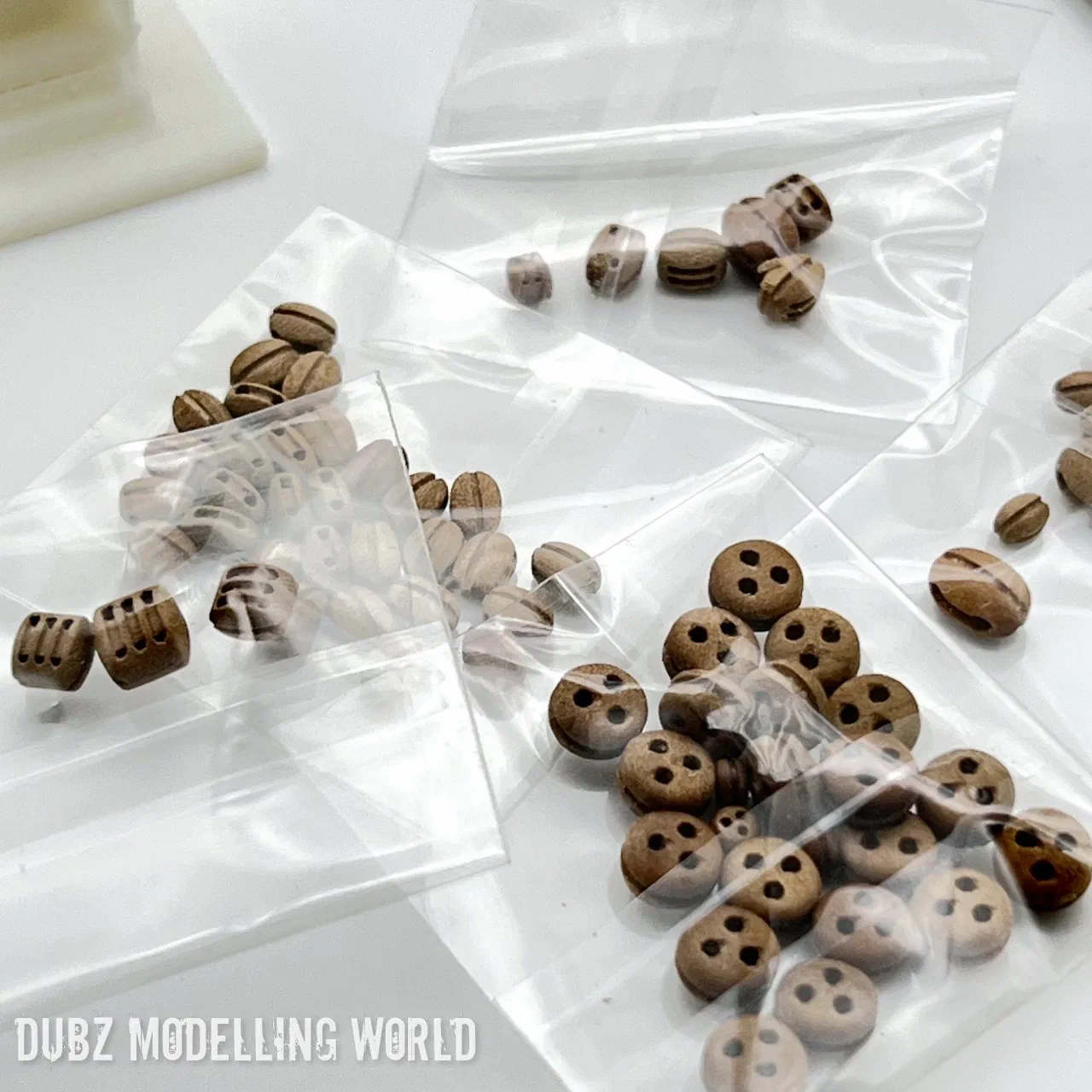
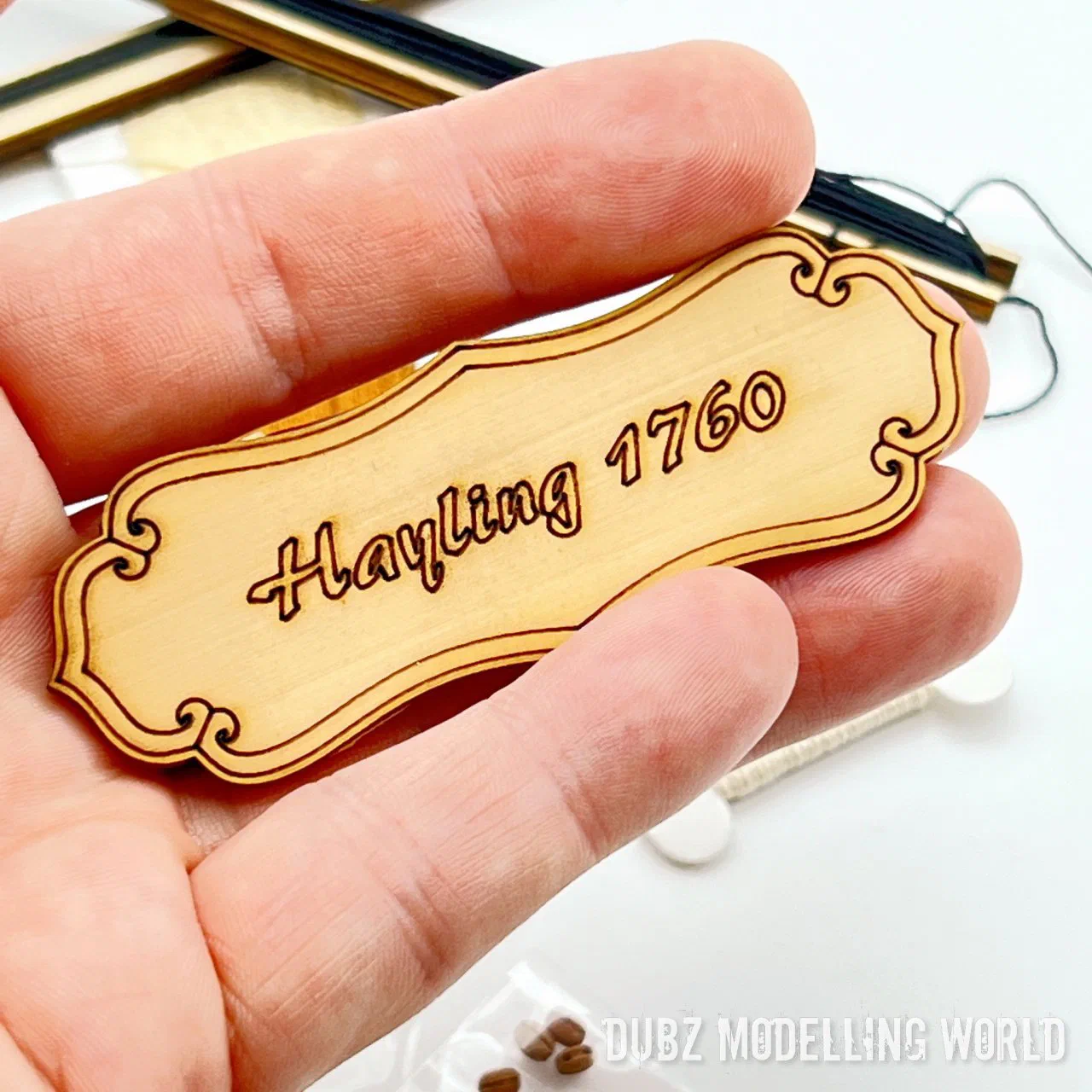
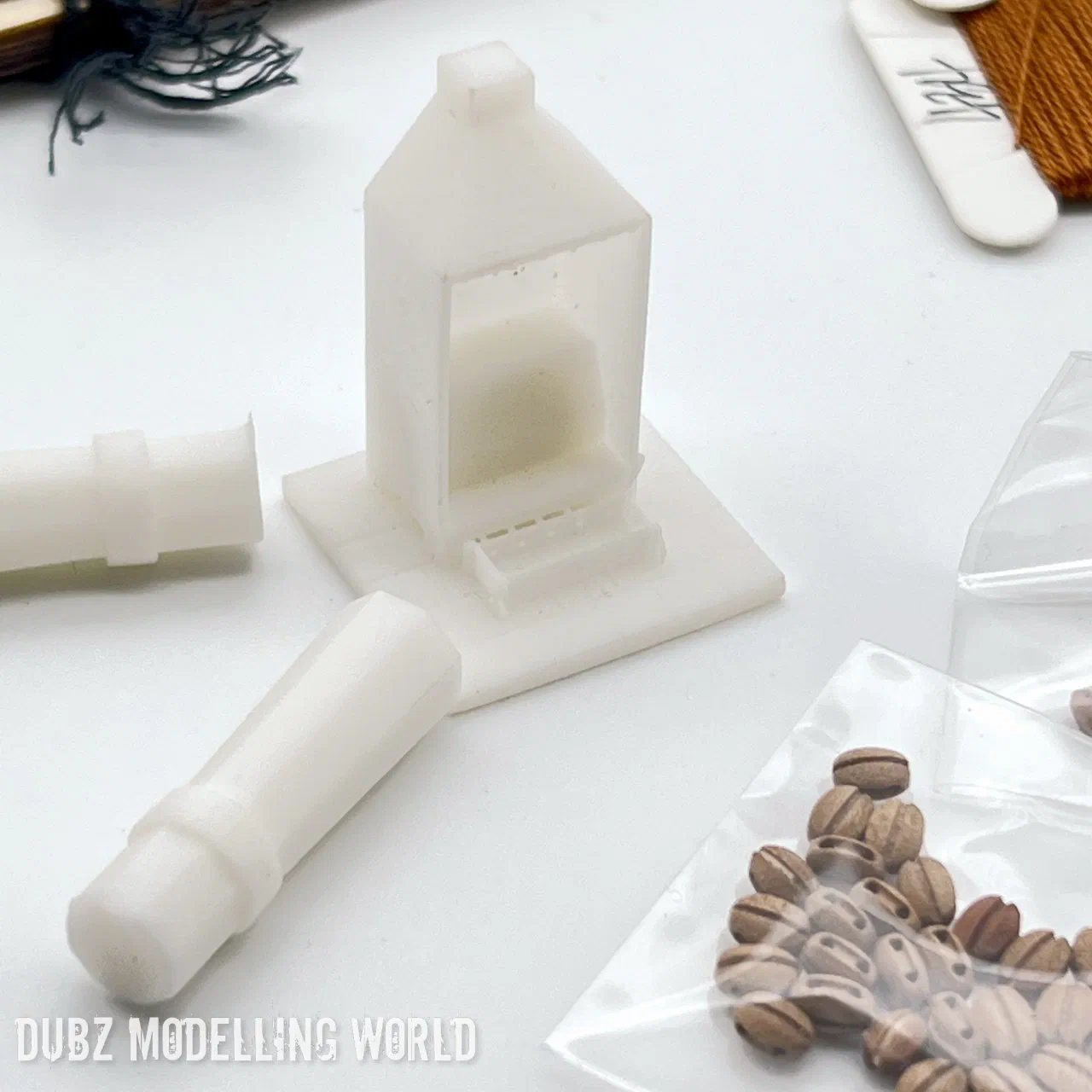
Photo-etch, sails and paper jigs
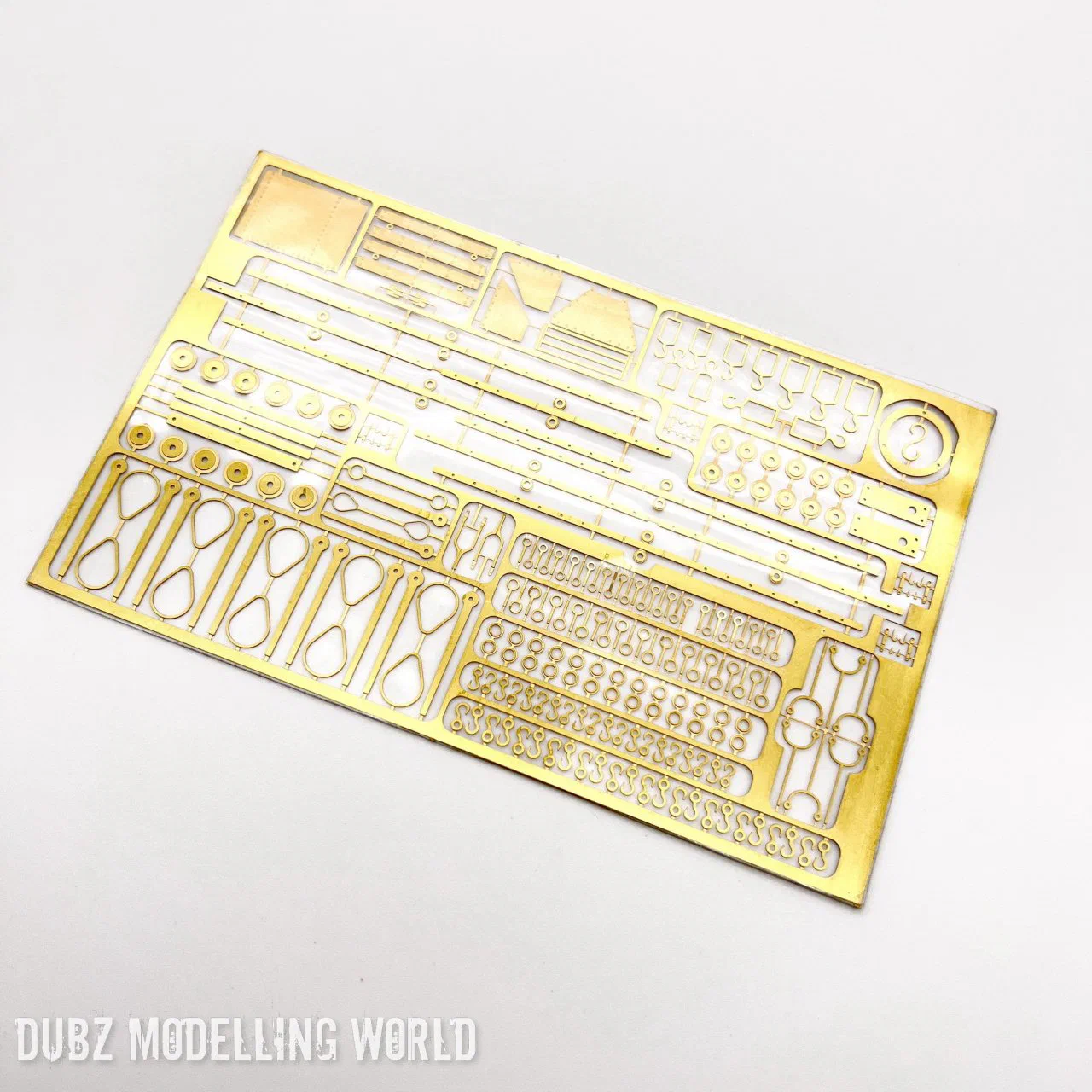
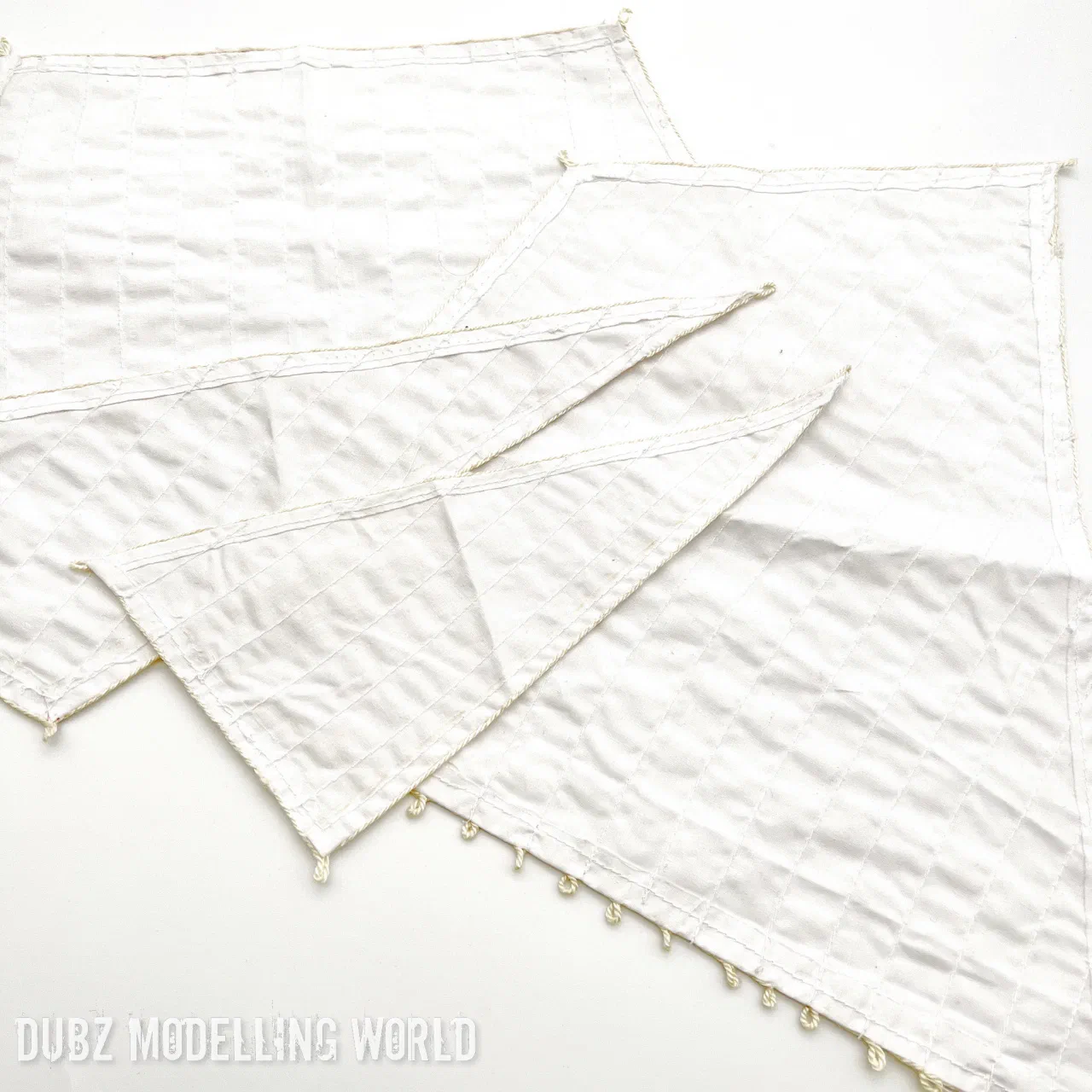
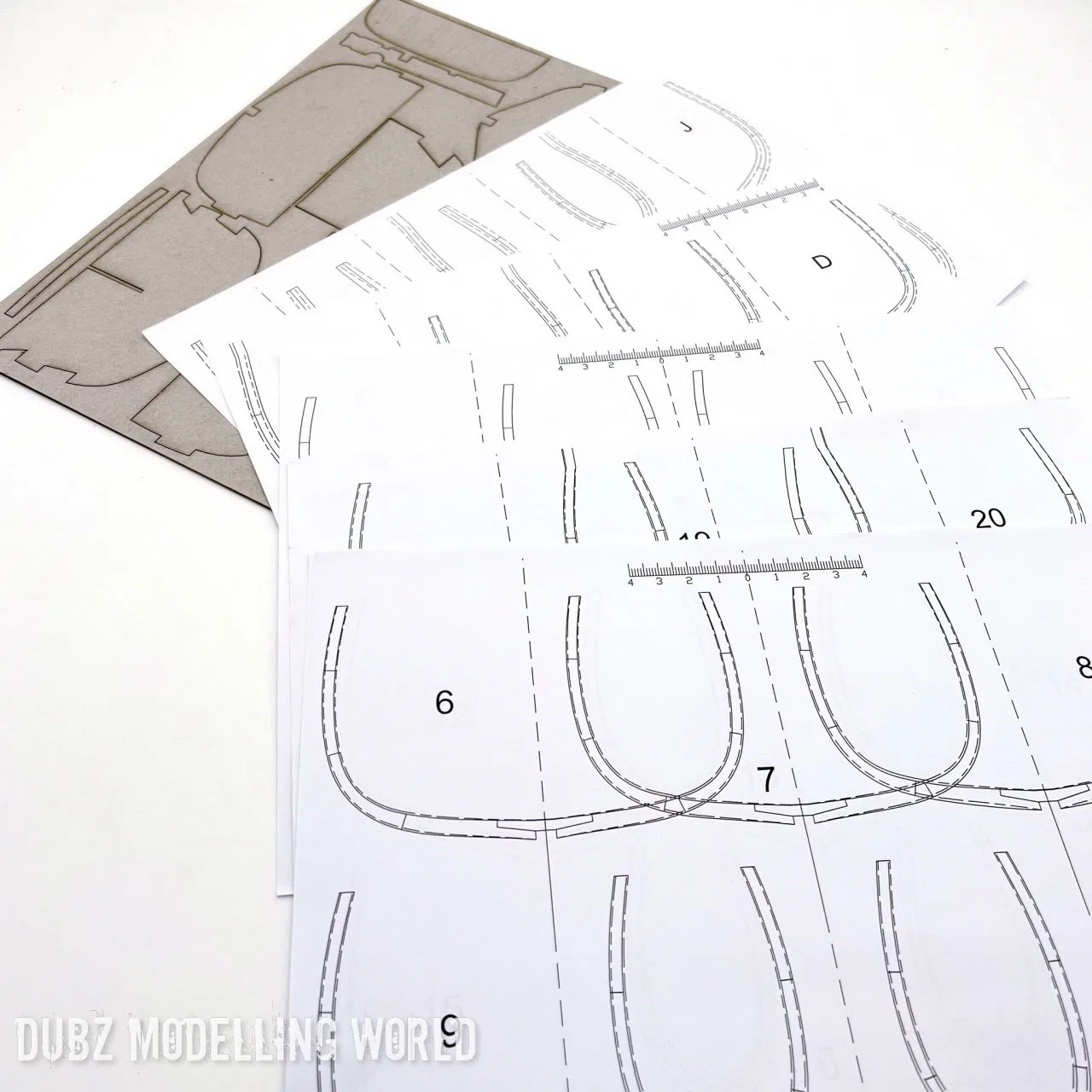
The kit also includes photo-etched parts, perfectly etched and of high quality. You even get pre-sewn sails, and the printed frames and some cardboard jigs.
Instructions
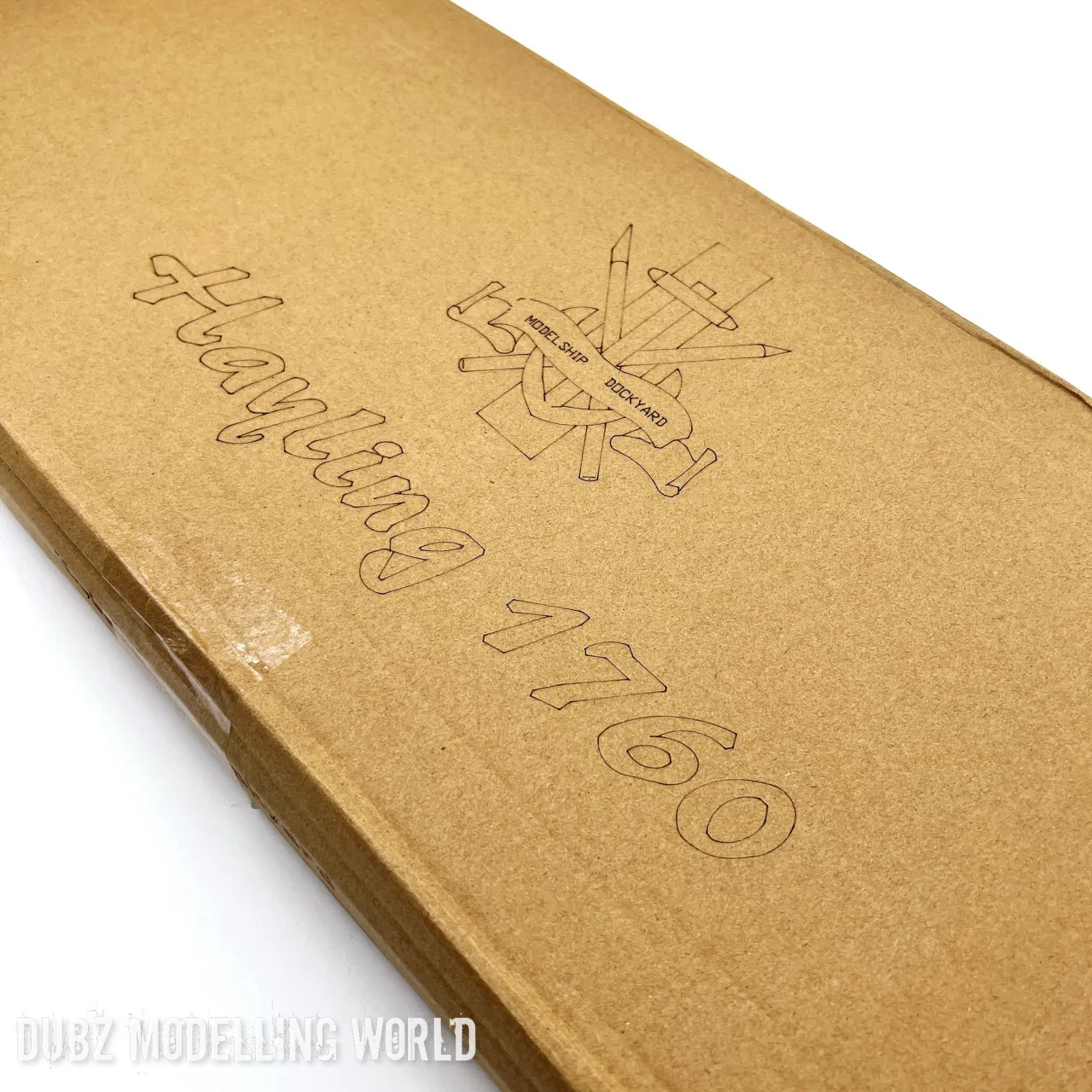
This is where the kit is weakest. There is no full-size printed plan – no plan at all except the keel – the instructions are very brief, a pick list is missing, and there is no printed image of the ship on or in the box. The manual and files are available online from the manufacturer.
For anyone who wants to build this ship I recommend David Antscherl’s book Hayling Hoy of 1759 – A Fully Framed Building Project (SeaWatchBooks). It is a wonderful basis for this type of vessel and will answer the open questions left by the rather scarce manual.
Conclusion
A highly interesting kit of an unusual smaller ship, with mostly high-quality materials, at an incredibly reasonable price of $ 298 at the time. Basically a 100 % buy recommendation – but with a few drawbacks I need to mention.
In my opinion the kit simplifies too much: structural parts such as floor and futtock riders are missing. The deck beams are sandwiched – I know that is easier for beginners, but it looks wrong, especially when the wood has colour differences. Add the missing plans, the brief instructions and the rope. On the plus side: pear, lots of it, a building jig, an unusual vessel, cherry dowels, the scale of 1:48, premium blocks, pre-sewn sails, a high-quality photo-etch sheet and super support from Modelship Dockyard. My sincere thanks go to Modelship Dockyard for sending this kit for review.
Pro
- Pear wood, lots of it
- Building jig
- Unusual vessel
- Cherry dowels
- Scale 1:48
- Premium blocks
- Pre-sewn sails
- High-quality photo-etch
- Excellent support by Modelship Dockyard
Contra
- No full-size plan – only the keel
- Very brief instructions, no pick list
- No picture of the ship on or in the box
- Simplified structure, e.g. no floor and futtock riders
- The rope
- Sandwiched deck beams
Full review with all photos in the forum ↗Available from Dry-Dock Models & Parts ↗