History
Vitus Jonassen Bering was a Danish naval officer in Russian service. He led the First Kamchatka Expedition from 1728 to 1730 and, from 1733, the Second Kamchatka Expedition, on which he died. He has been called the “Columbus of the Tsar”, and his voyages helped to settle one of the great geographical questions of his time: whether Asia and North America are joined by land.
For the first expedition Bering had a small vessel of about 18 metres built in 1728 – the St. Gabriel. From July 1728 he sailed her northwards along the coast of Siberia, discovered several islands and pushed further and further into the Arctic Ocean without finding a land connection between the two continents. In August, at 67°18′ north and with the weather turning bad, he gave the order to turn back. He had already passed through the strait that was later named after him, but he did not bring home the final proof that there is no land bridge between Asia and America.
What makes the St. Gabriel so interesting for a modeller is her pedigree. Tsar Peter had studied shipbuilding in the Netherlands, and Russian shipbuilding of his time shows that influence everywhere. The St. Gabriel has a great deal of a Dutch poon in her hull, and the rig Master Korabel designed for her is, with small changes such as the boom, a classic Dutch jacht rig. Good information about the ship herself is hard to find – which leaves room for research, and for a little individuality.
A small boat for in between
I had just finished one cutter and did not want to start the next one straight away. I needed something small and quick, and the Master Korabel kits had made me want to build one – just building, a little thinking, a little improving. That last part, as usual, did not quite work out.
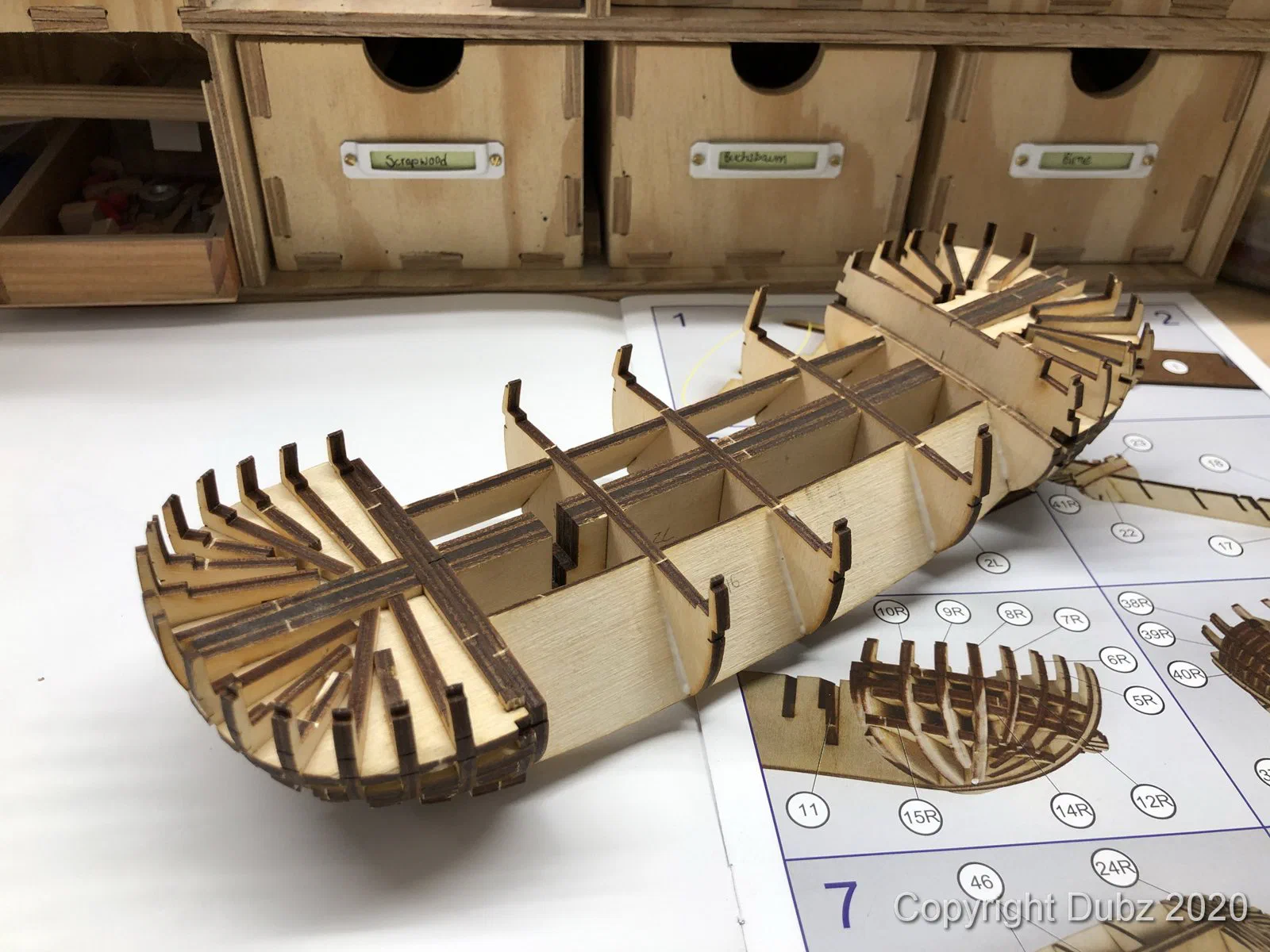
The kit is one of the best designs I have ever had in my hands. Everything is laser-cut and photo-etched, the planks are pre-spiled, and there is a generous amount of pear wood in the box. The basic hull structure goes together quickly and precisely.
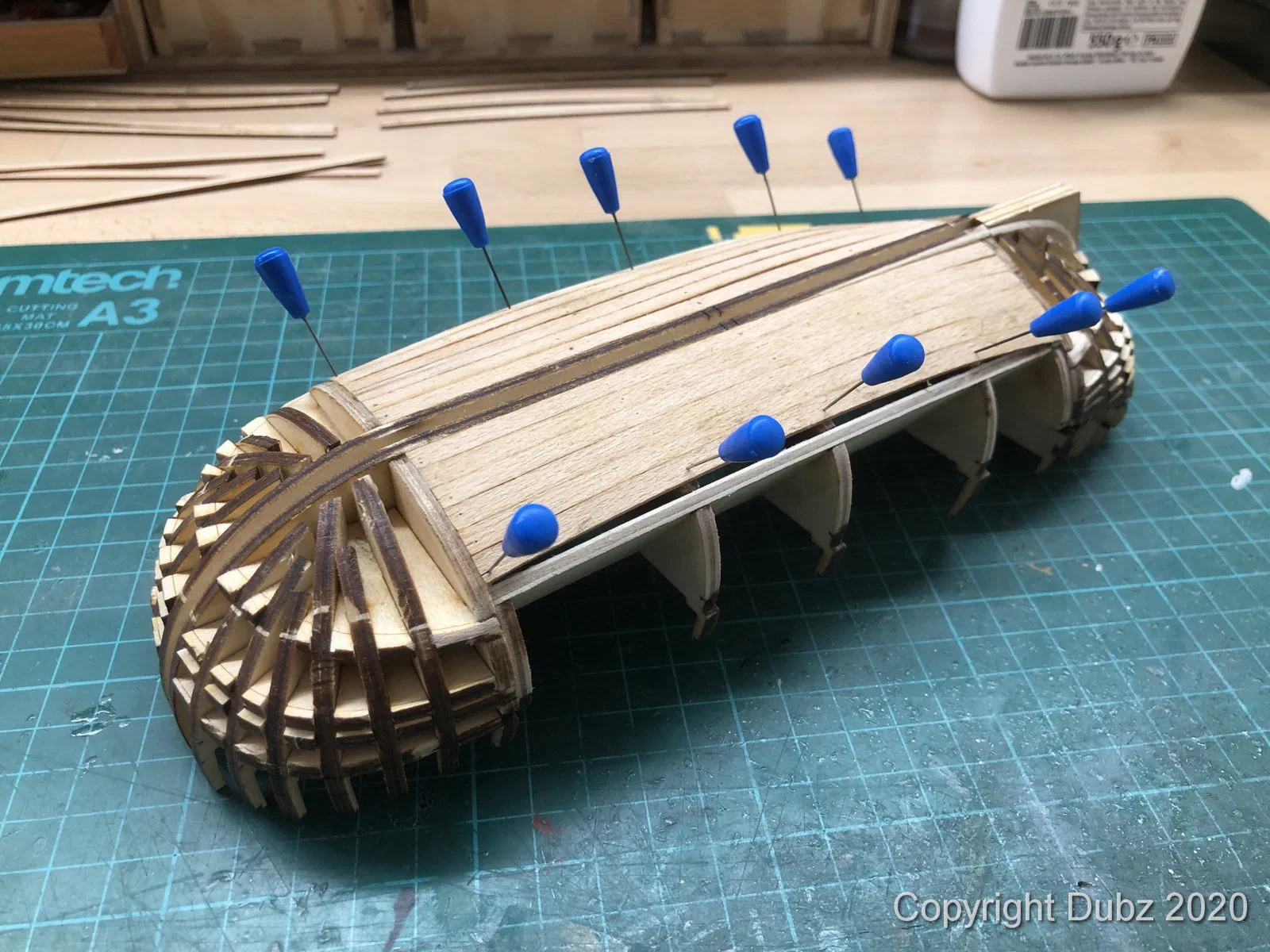
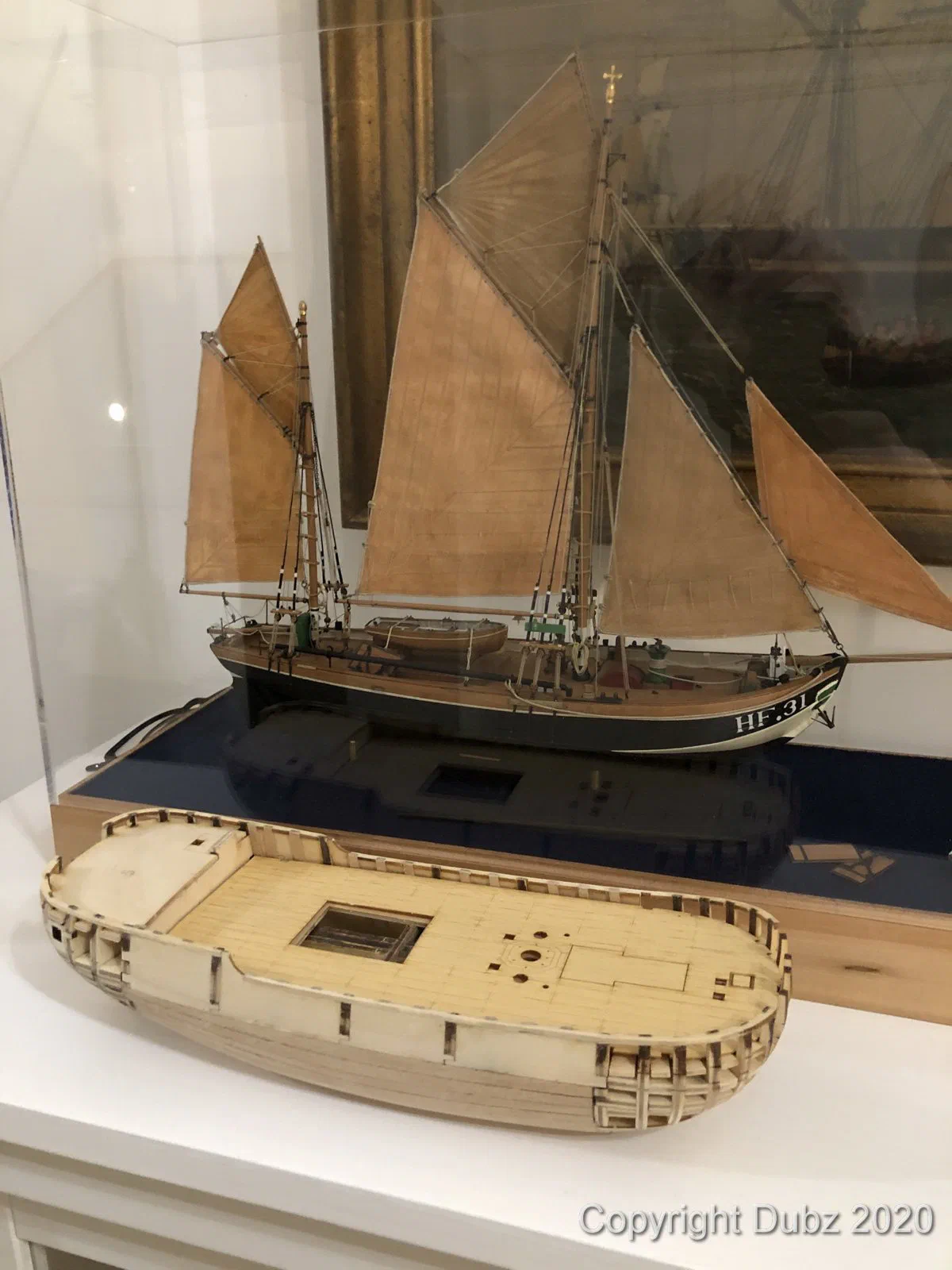
Next to the Maria, which is in the same scale, the size of the St. Gabriel becomes obvious: a small, chubby boat with a very full bow and stern.
Second planking and oil
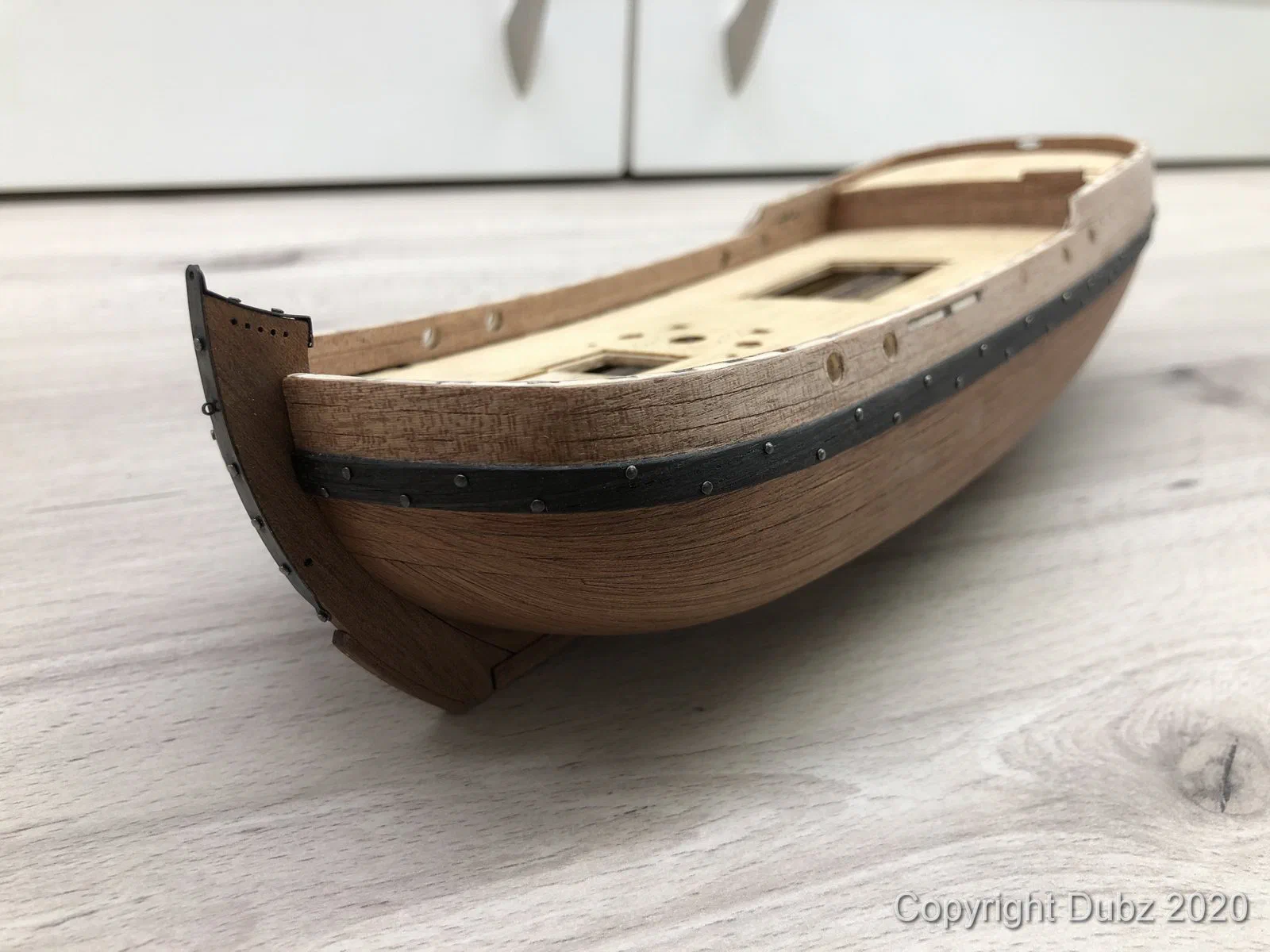
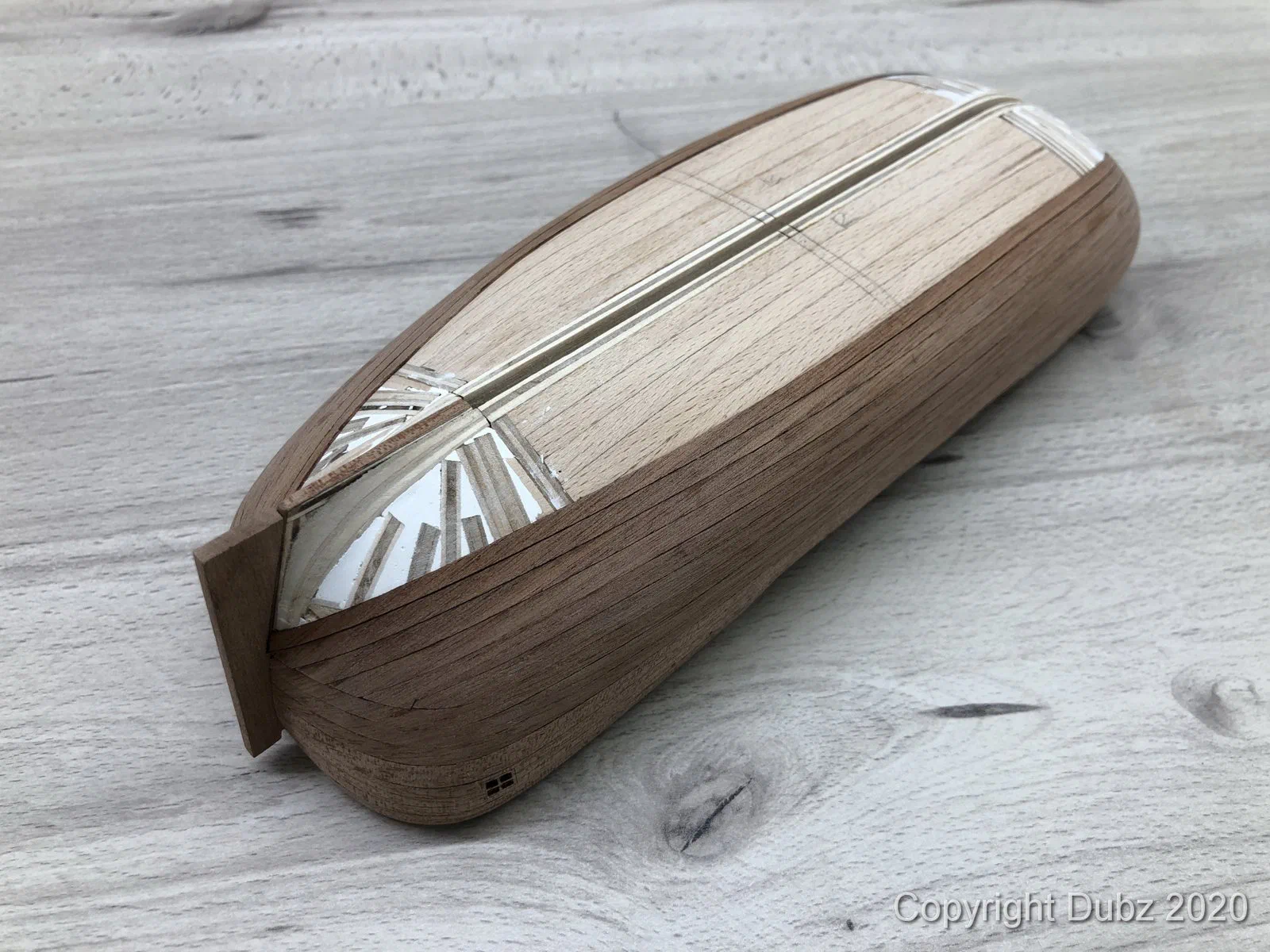
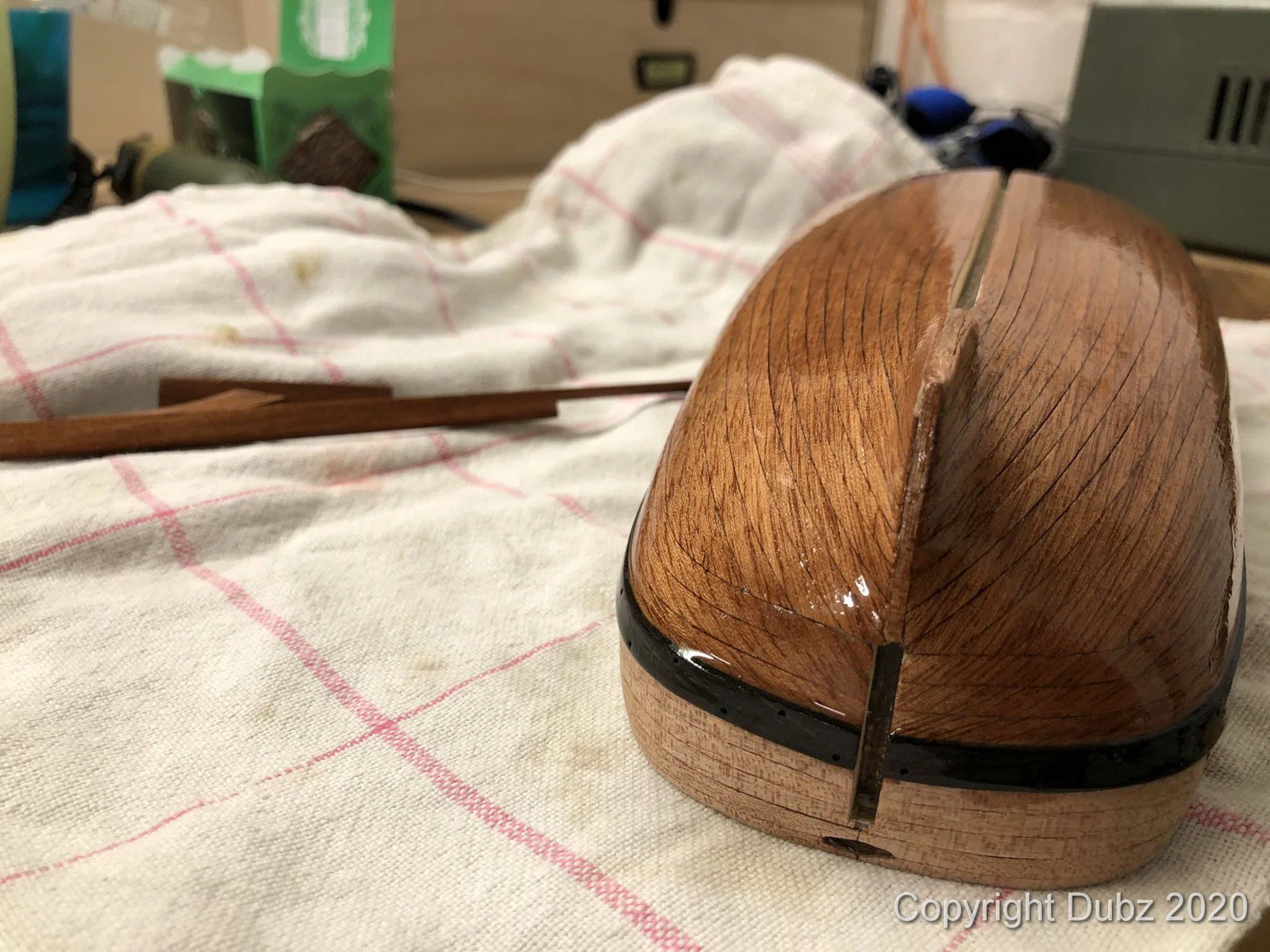
The second planking is thin veneer. Unfortunately the veneers above and below the wale do not quite match in their grain – something I only noticed once they were on. The first coat of Danish oil is always a nice moment: the wood darkens and every structure of the hull suddenly stands out. I oil as early as possible, so that the surface is protected and I can judge the colours while there is still time to change things.
Colour
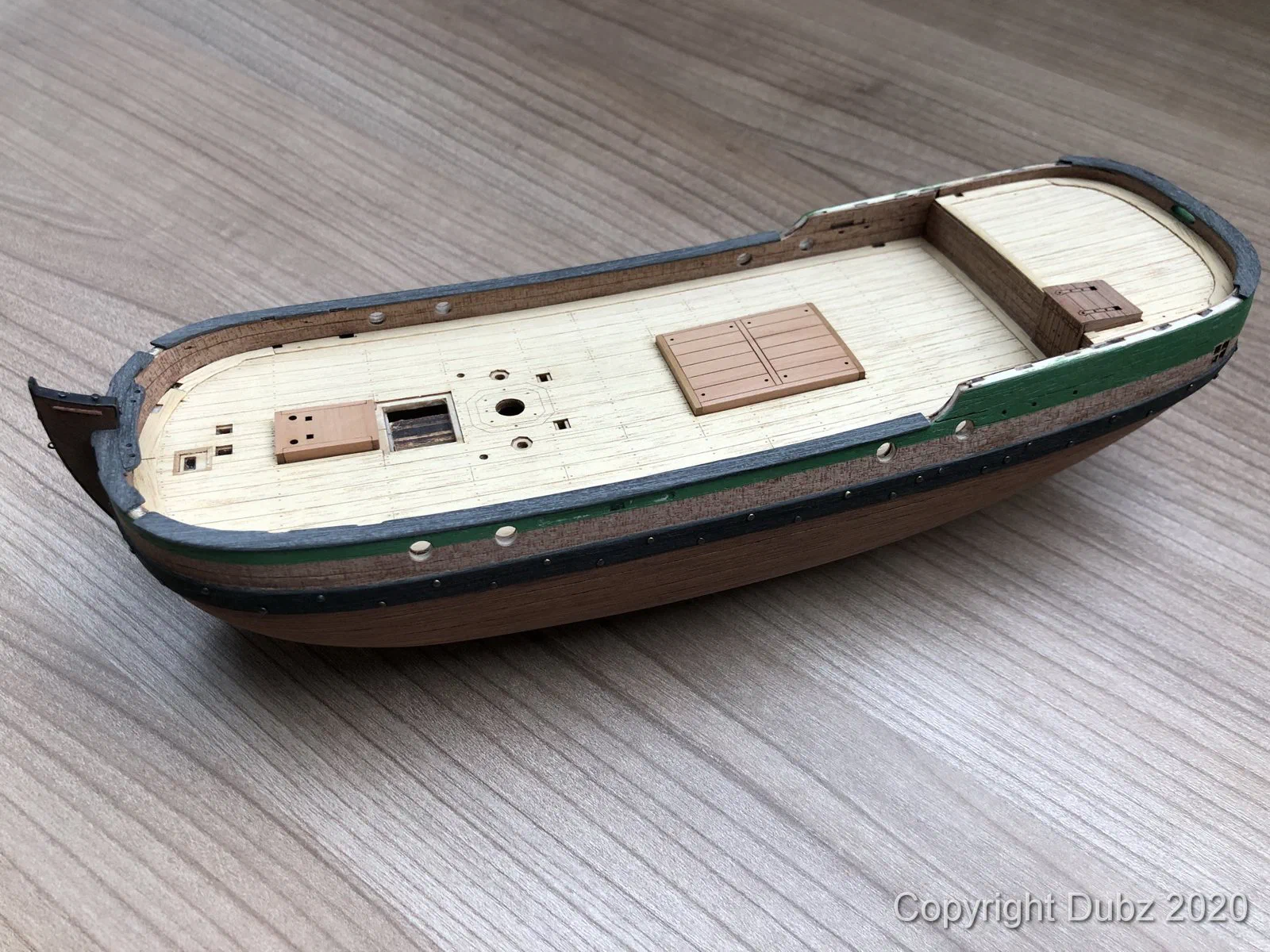
The wale is followed by the waterway, the first photo-etched parts and the handrail, which consists of two layers of veneer. Then colour came into play. There is very little to be found about the St. Gabriel, but I came across a picture that shows her in the typical green, and I wanted to give my model a little more individuality. Master Korabel kits have the “disadvantage” that they all look equally good when built straight from the box.
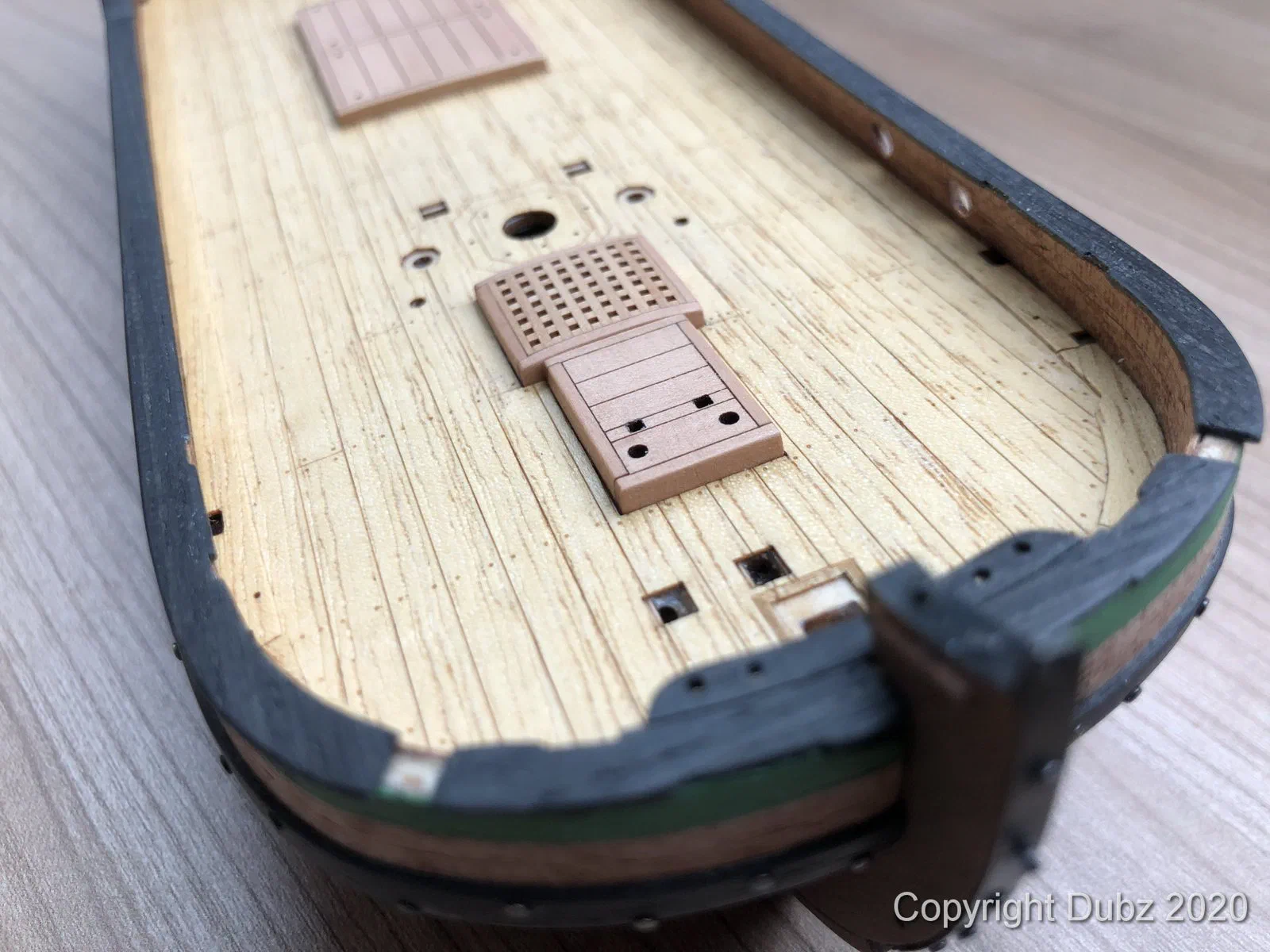
Windlass, leeboards and deck
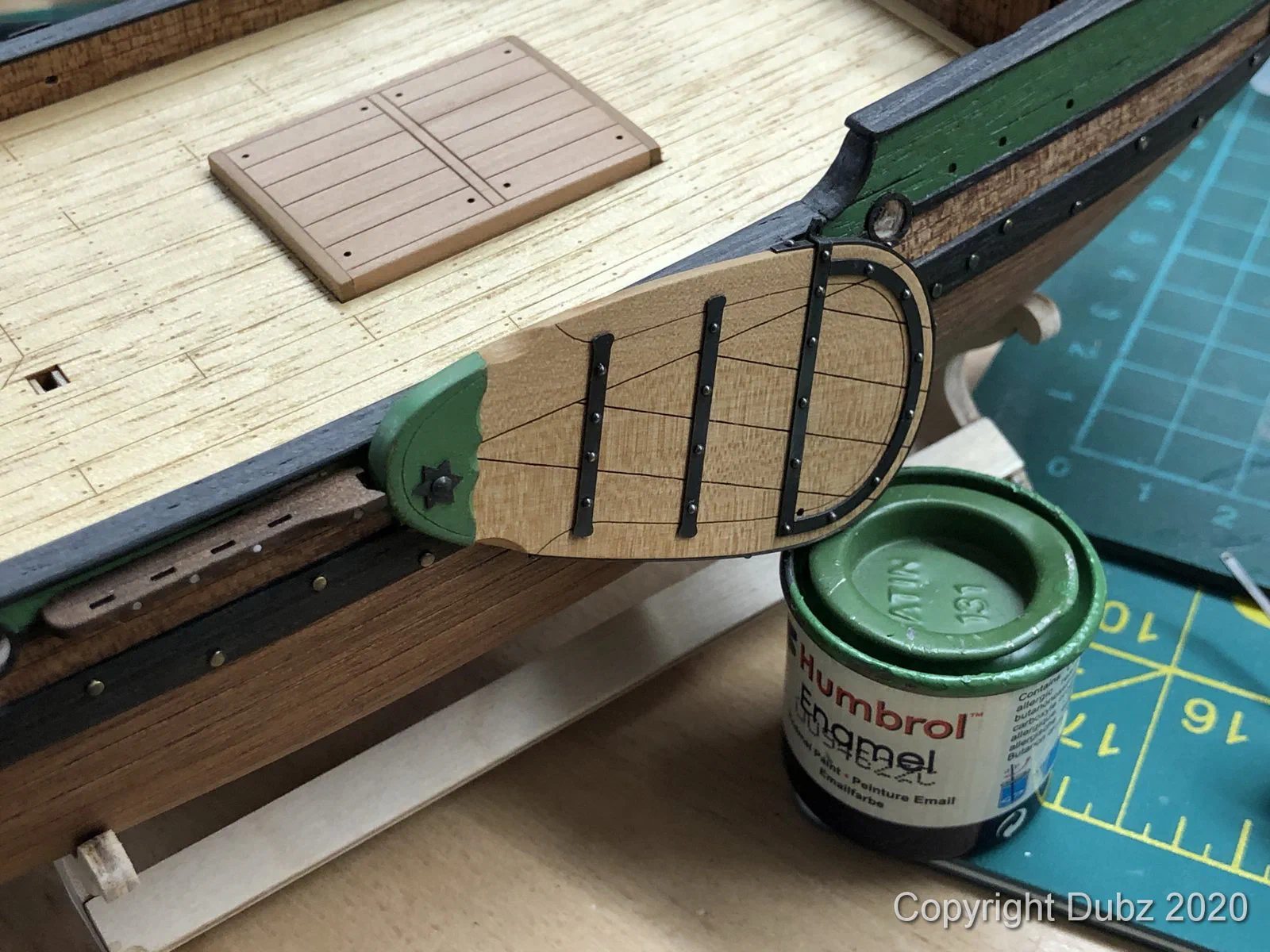
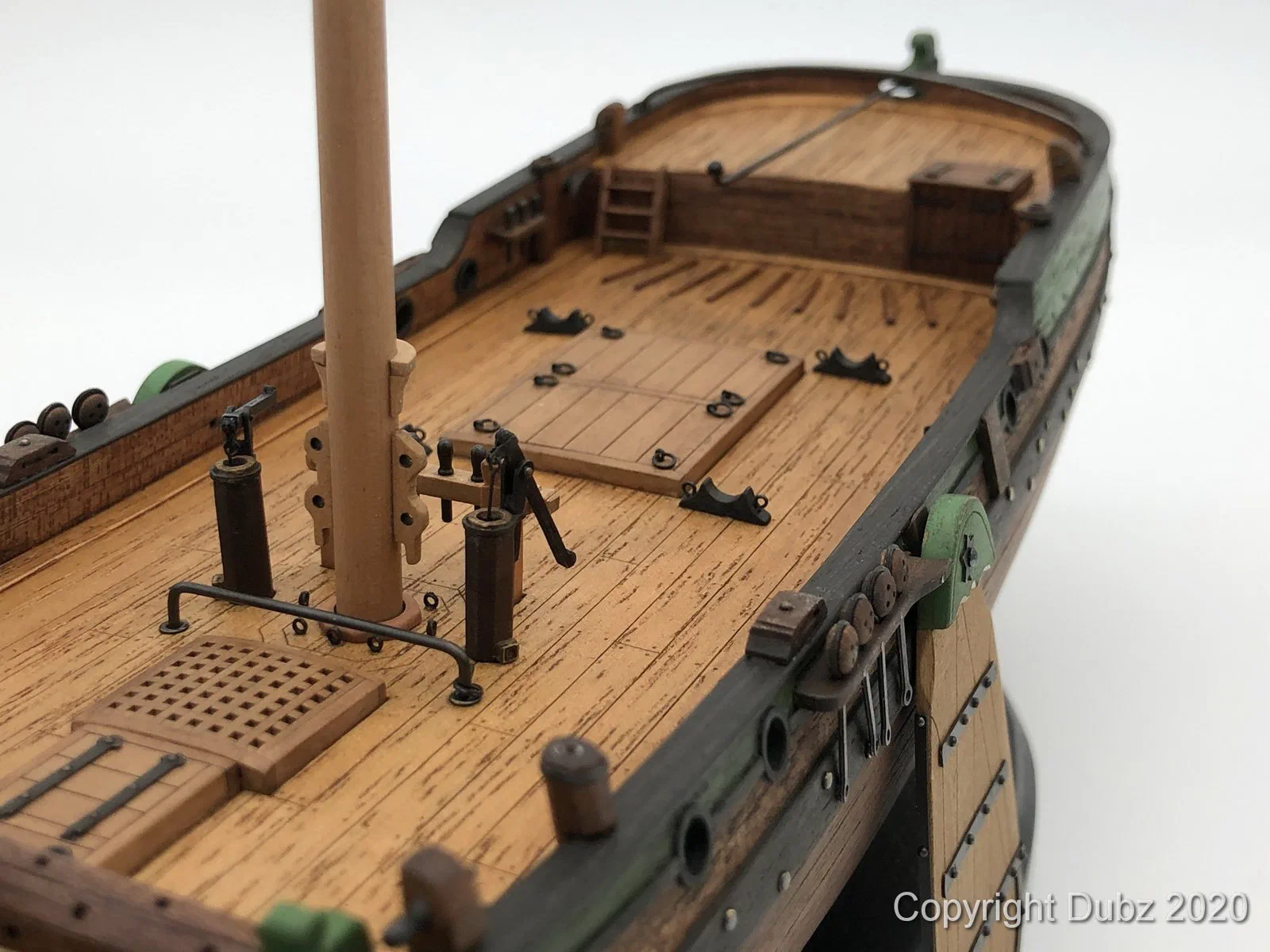
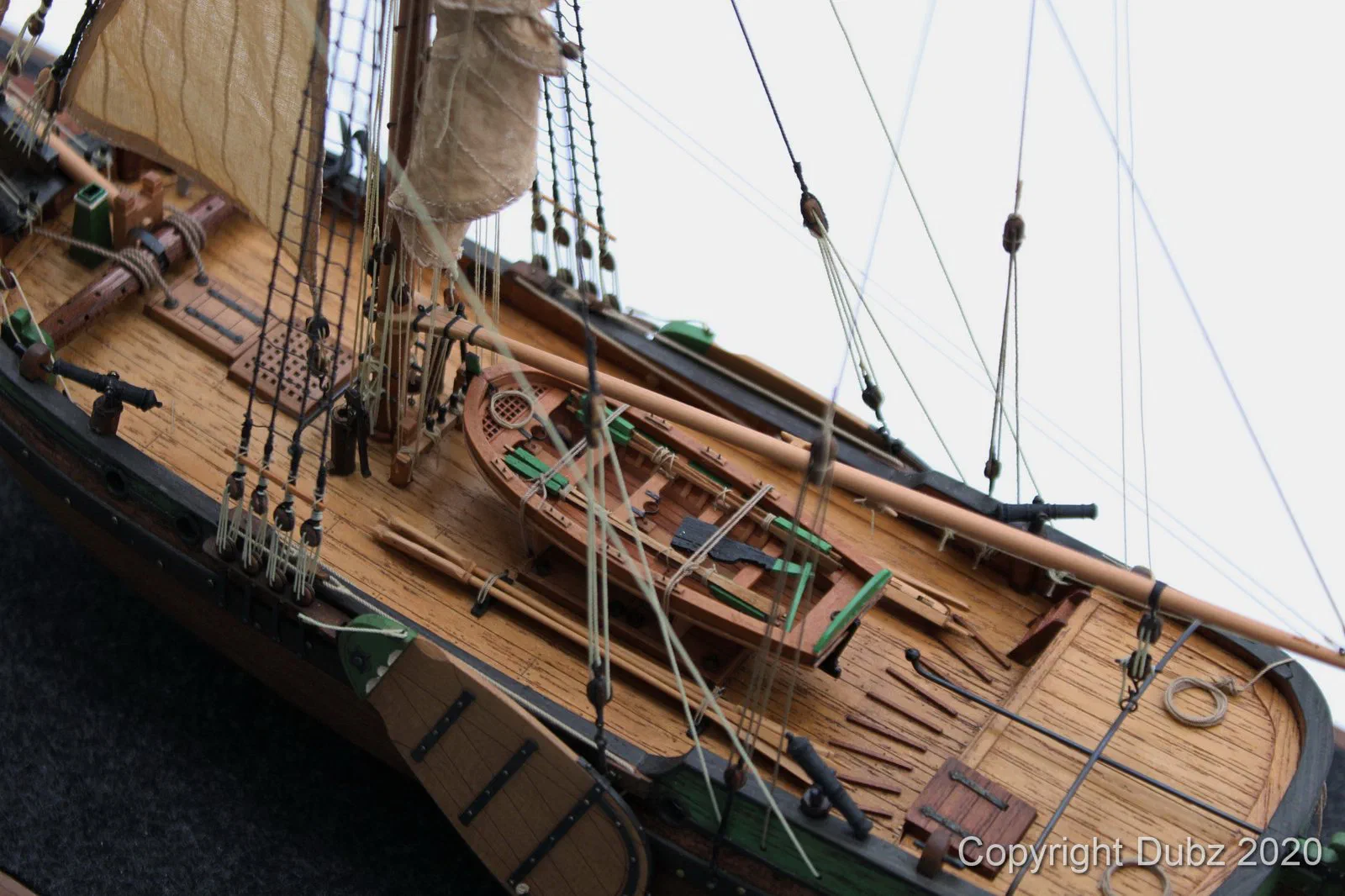
The windlass is a small model of its own, made of umpteen parts – and the result is really good. Then came the leeboards: beautiful pear, laser-cut and with etched fittings that fit exactly. That was fun.
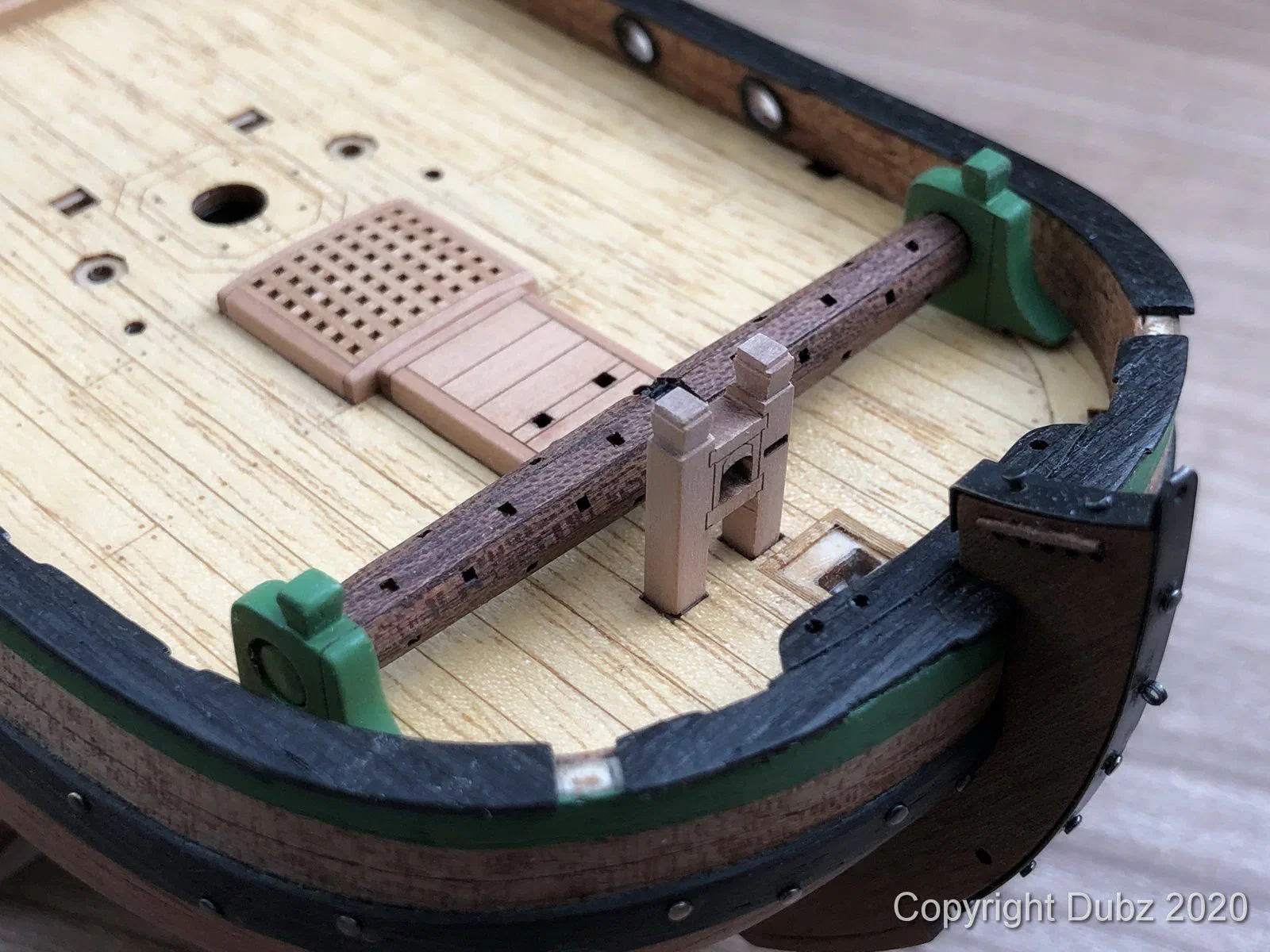
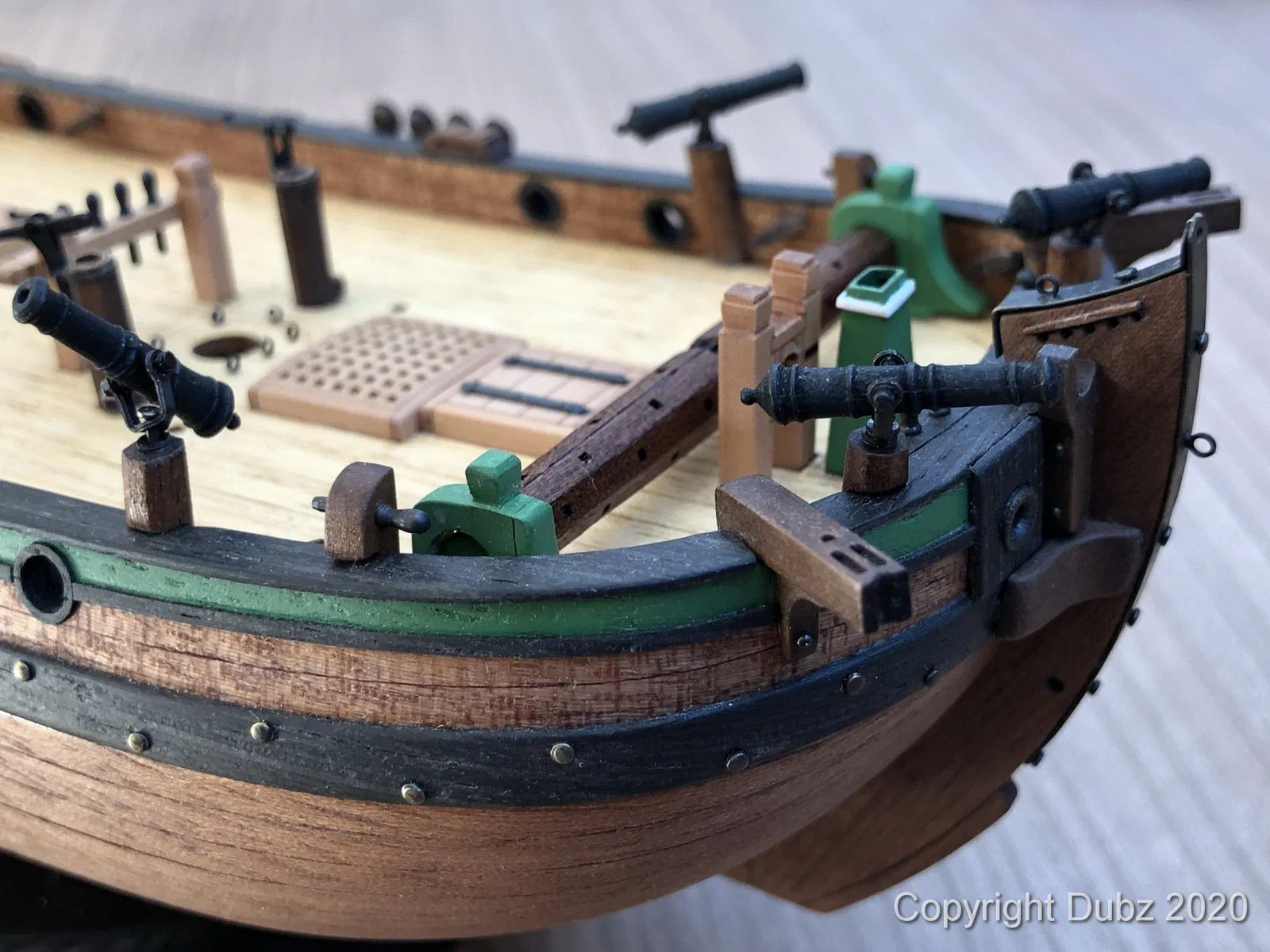
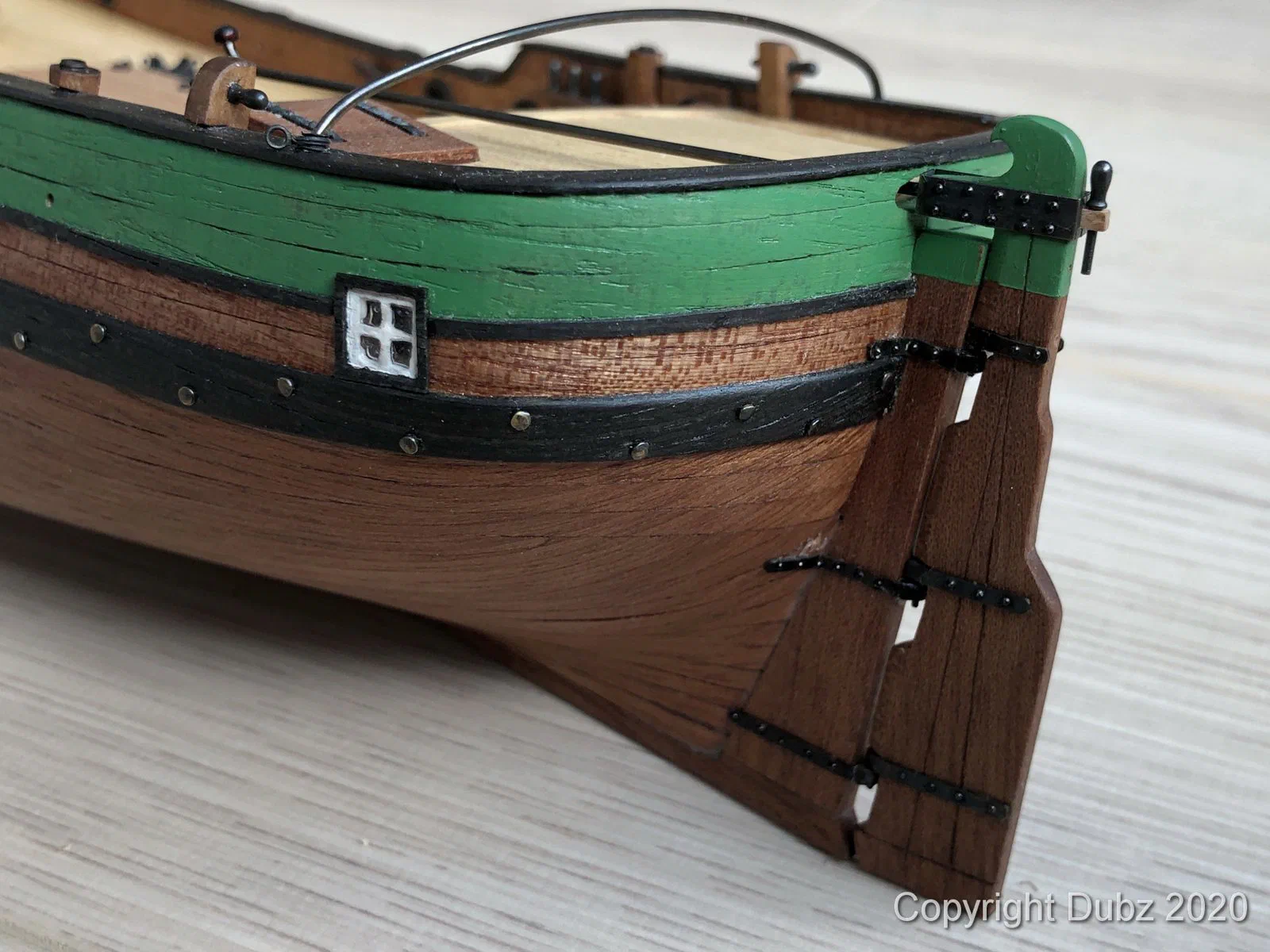
After that, the many small things on deck, followed by the rudder with its fittings. With this, almost all work on the hull was done.
Bitumen on deck
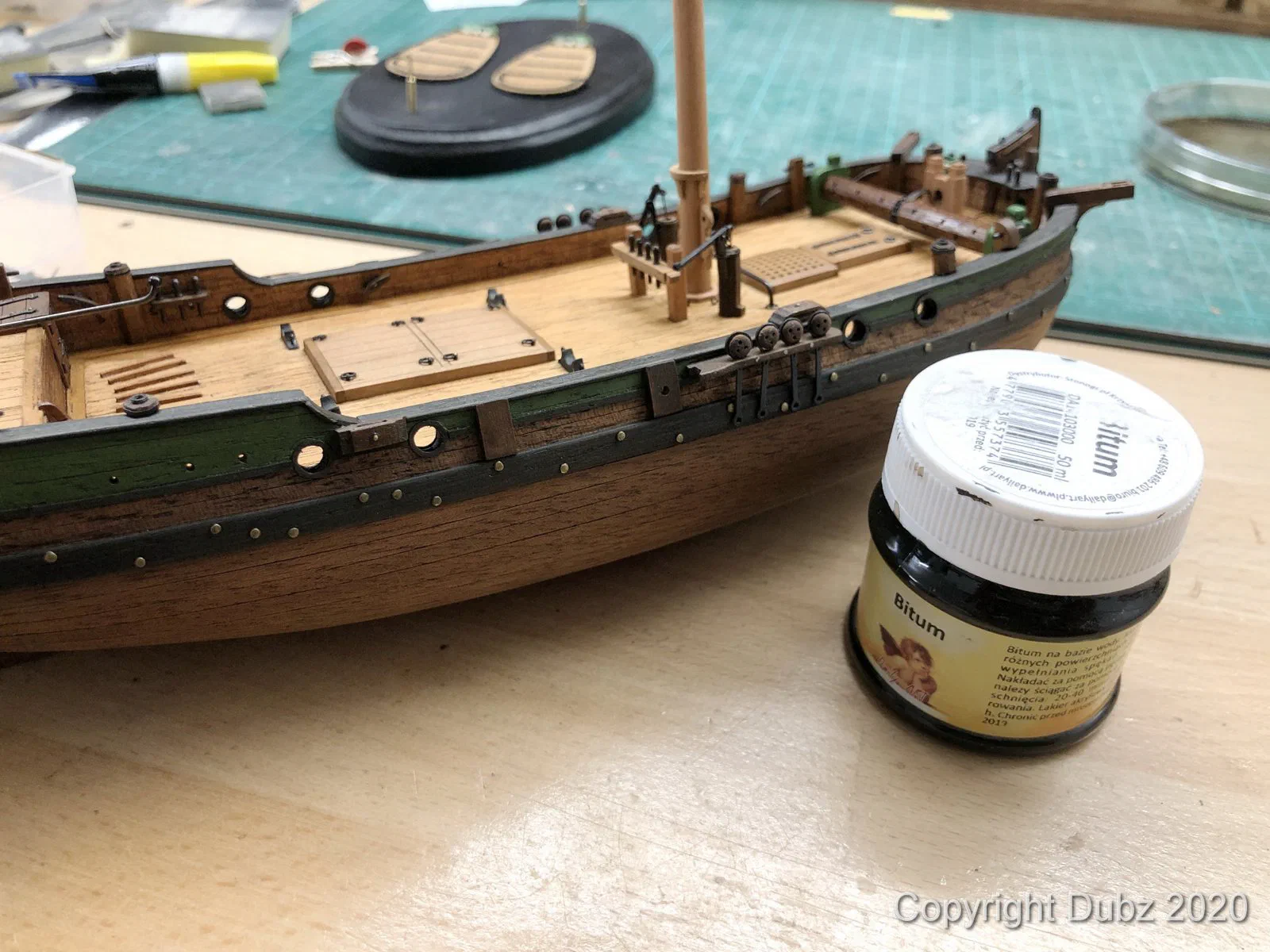
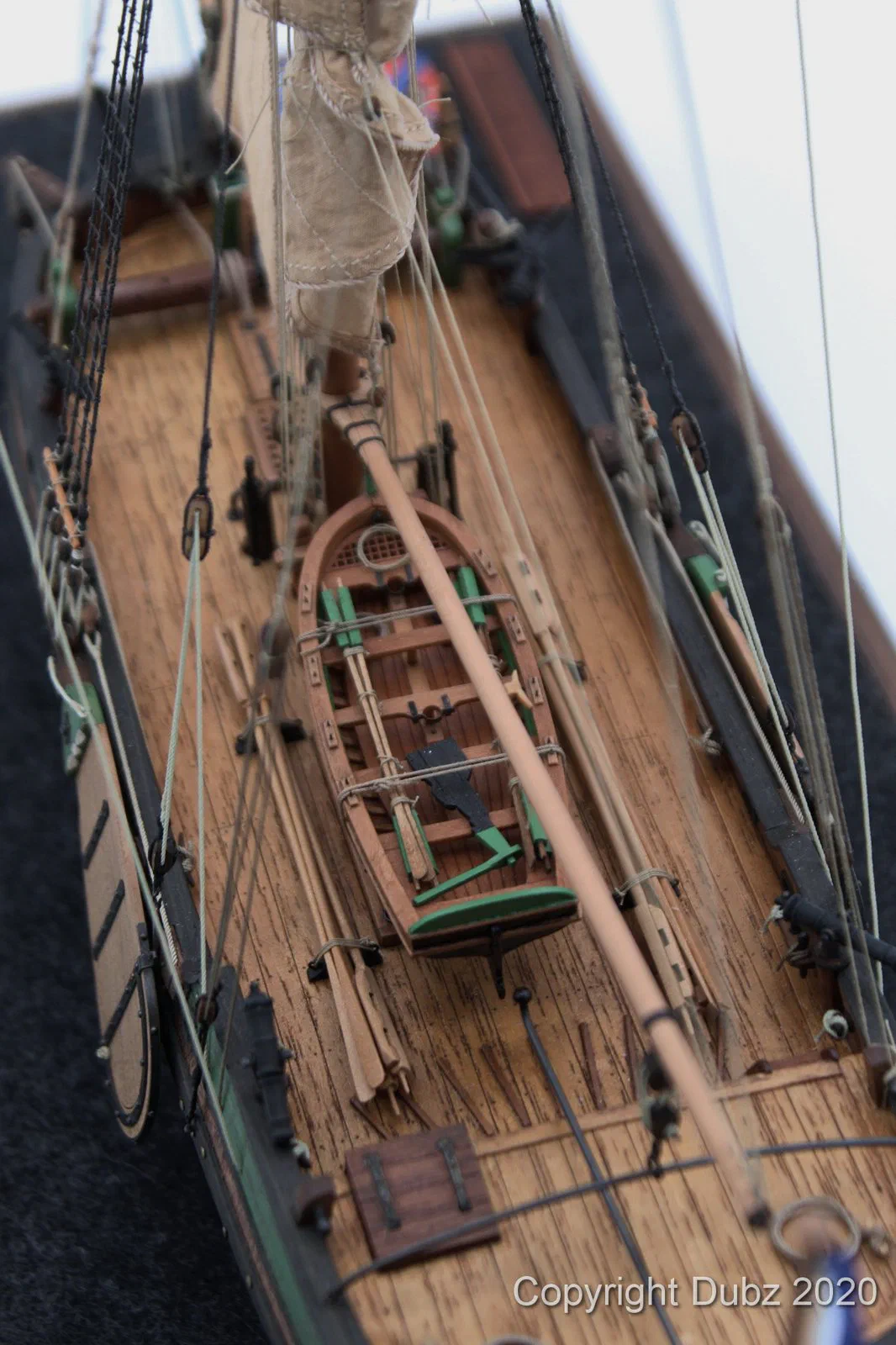
Then it got dirty. Russian modellers like to work with bitumen, and I wanted to try it – the deck was too light for my taste anyway. A thin wash of bitumen gives the deck an aged, used look and settles in the seams. I also redid the windows; I had wanted to stay true to the kit there, but since the rig would be scratch-built anyway, consistency was lost already.
Spars of pear
The kit includes all round timbers either as dowels or as lasered square pear stock to be rounded, in very good quality. My only wish to Master Korabel: make the lasered spars and oars a little longer, so that they can be turned on a lathe. I made all of mine new from pear anyway. The mast was made of pear as well – and then rebuilt, because things were not in line. I always find it hard to get everything exactly straight and in quarter or eighth intervals; this time I used a thread as a guide.
A Dutch jacht rig
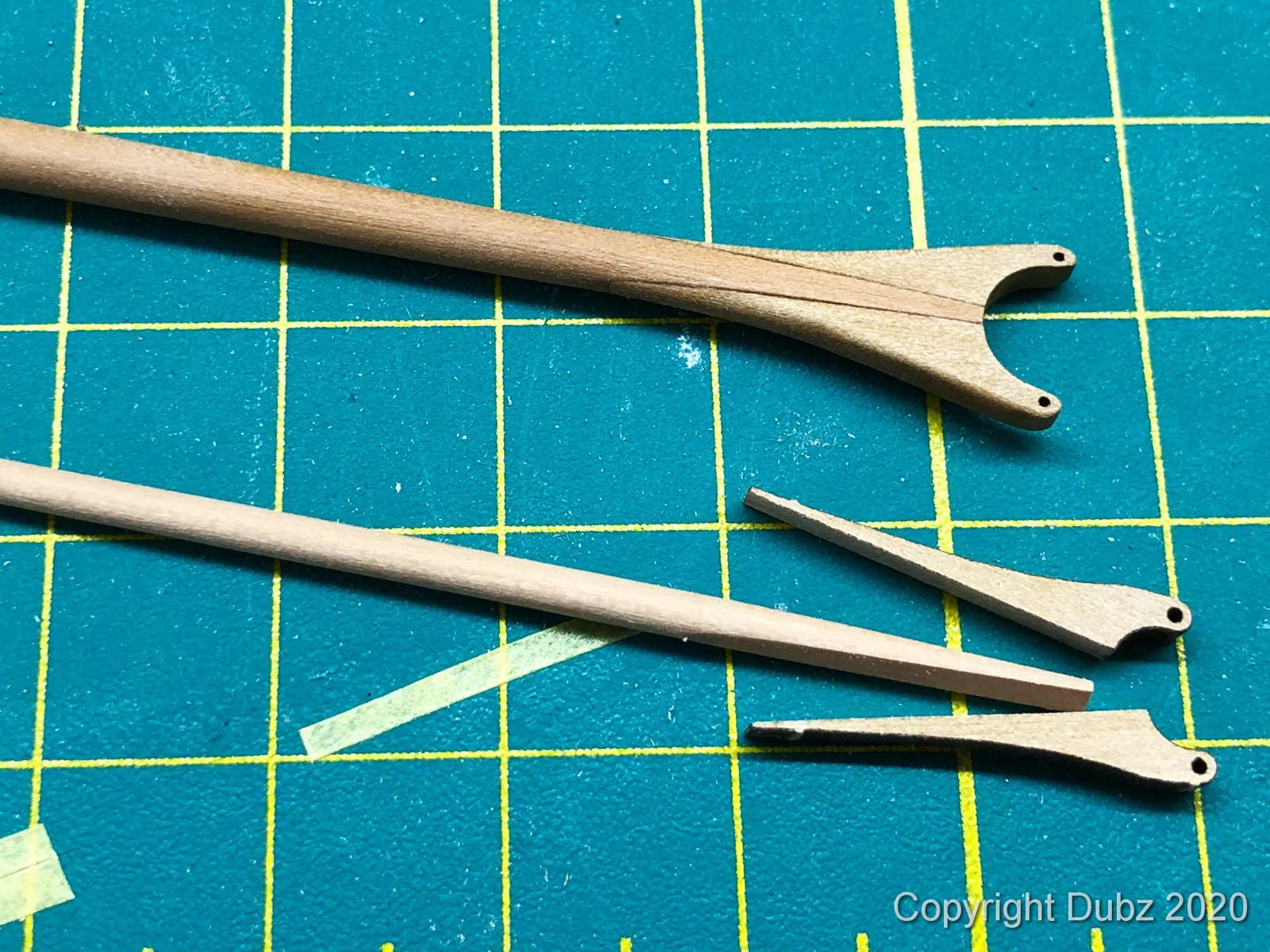
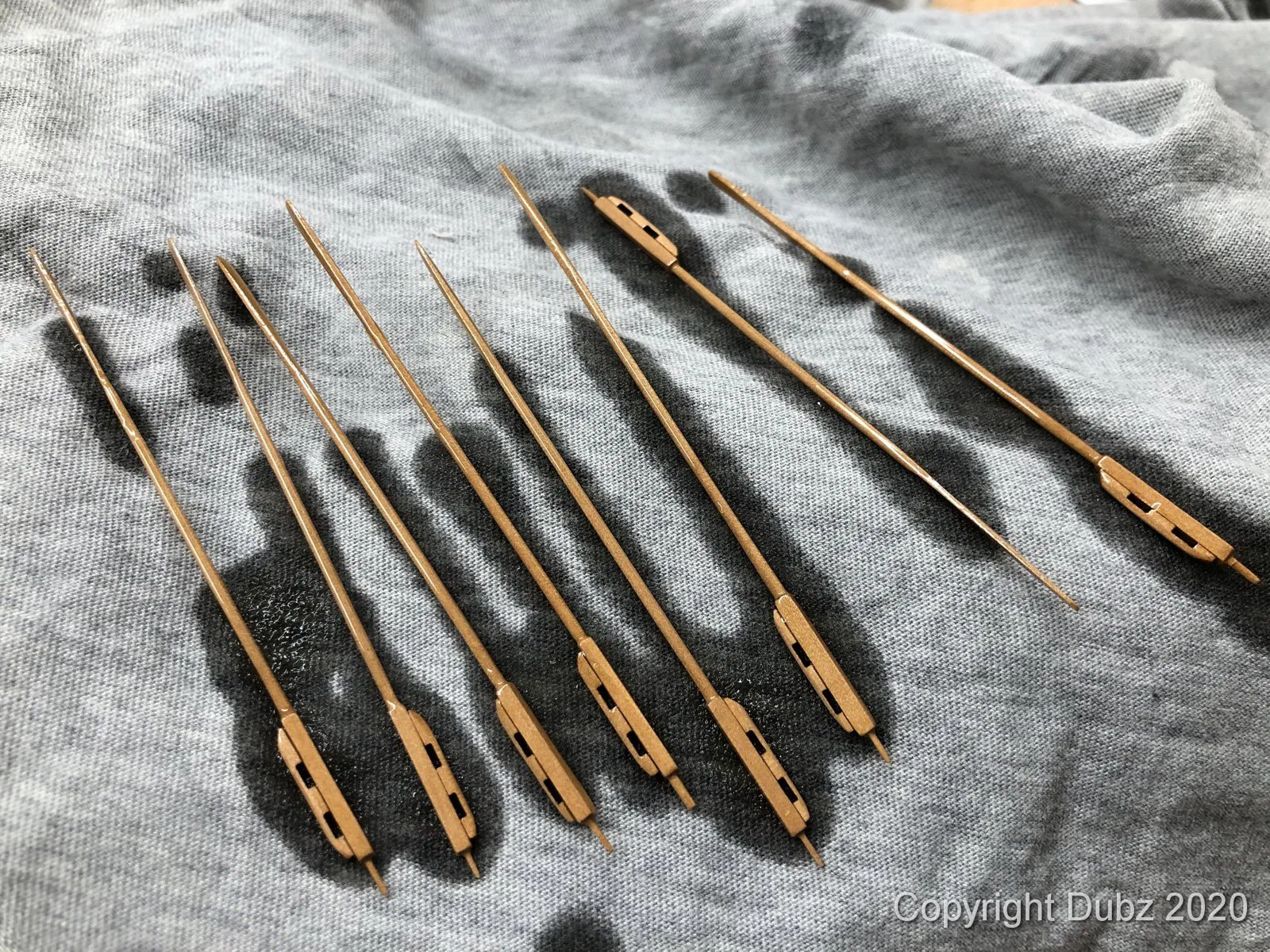
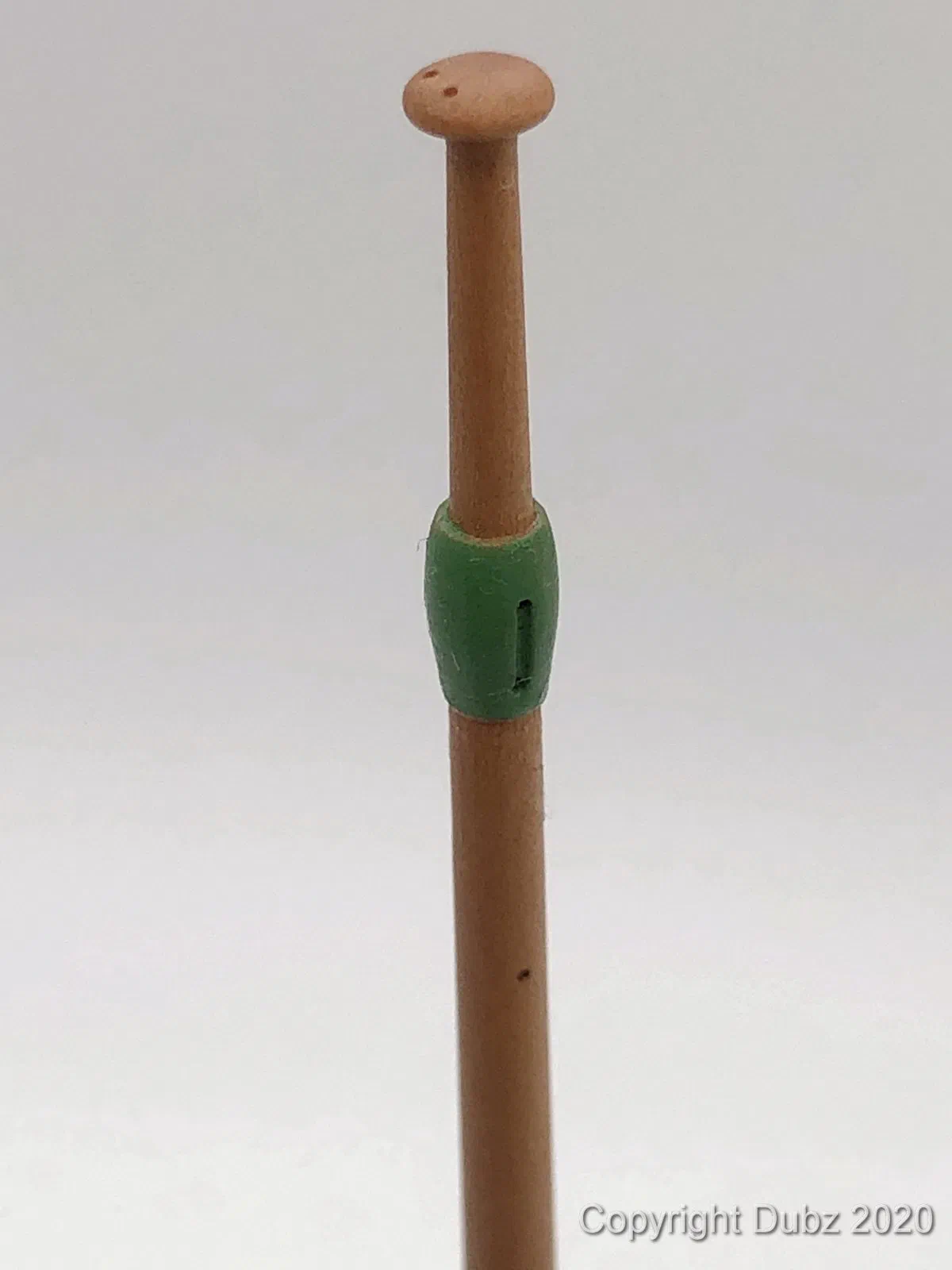
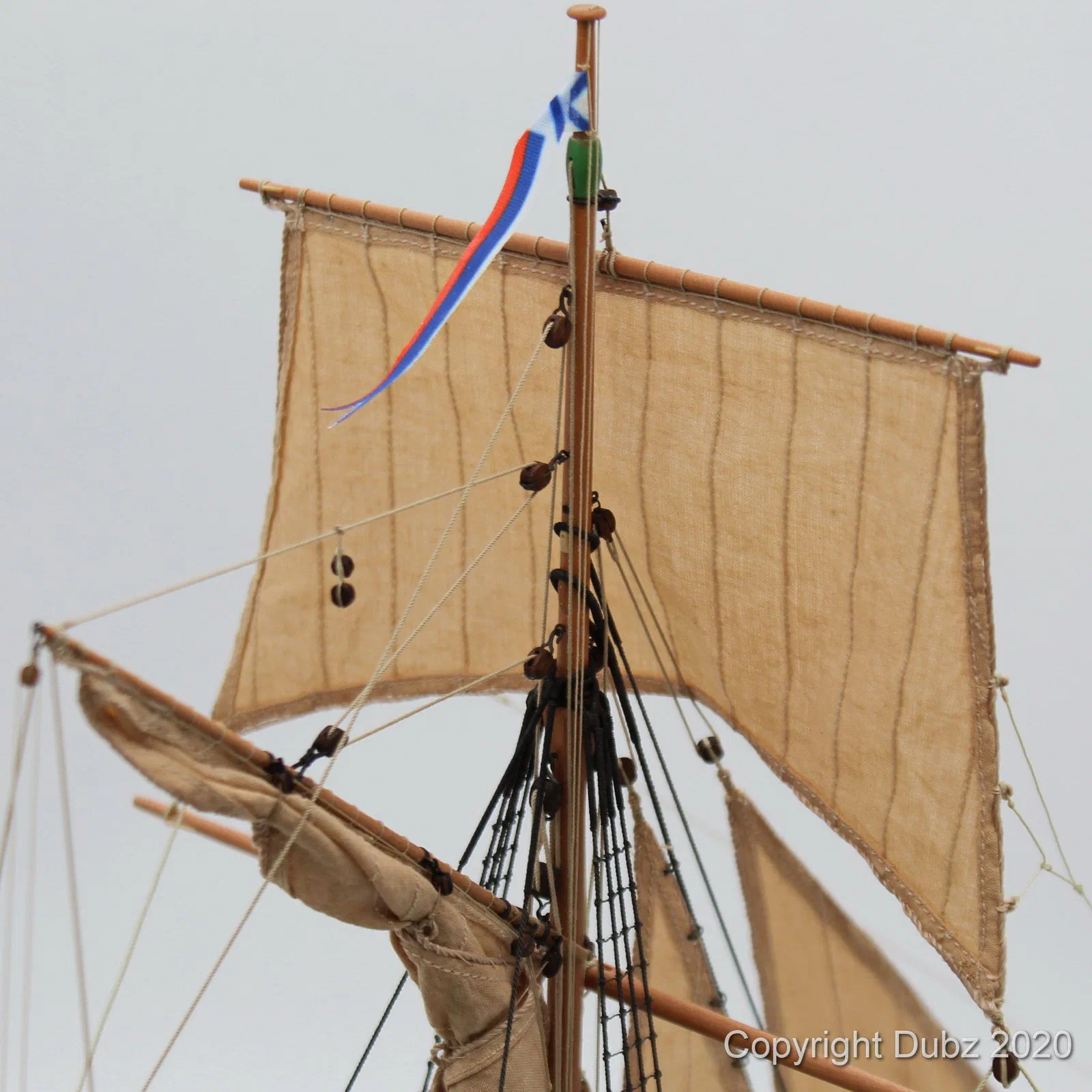
I spent a long time with the rigging plans, and it became clear that Master Korabel had planned a Dutch jacht rig. To be sure, I read Werner Jaeger’s book on the Dutch yacht in the 17th century – and indeed: it is a jacht rig, so a few small adjustments and nice details could be added. The mast got the typical “barrel”, but not the “lobster”: I did not want to make her one hundred percent Dutch, but I like showing how much influence the Dutch had on Russian shipbuilding in Peter’s time. The two spars were reworked and fitted with cleats following Jaeger.
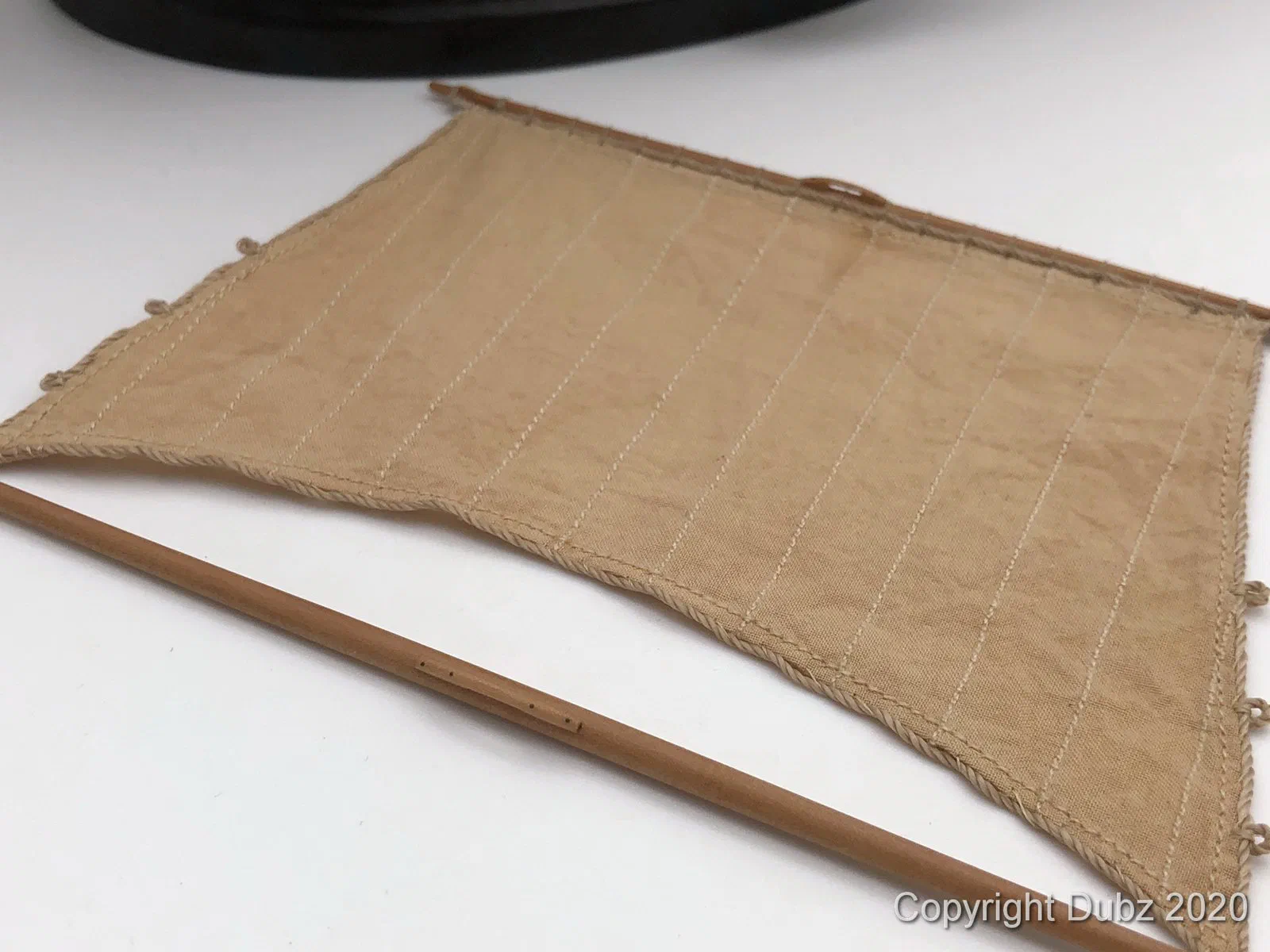
The sails are the Master Korabel kit sails, and I did not do much to them. For kit sails they are fine. I dyed them with coffee and black tea.
Case and standing rigging
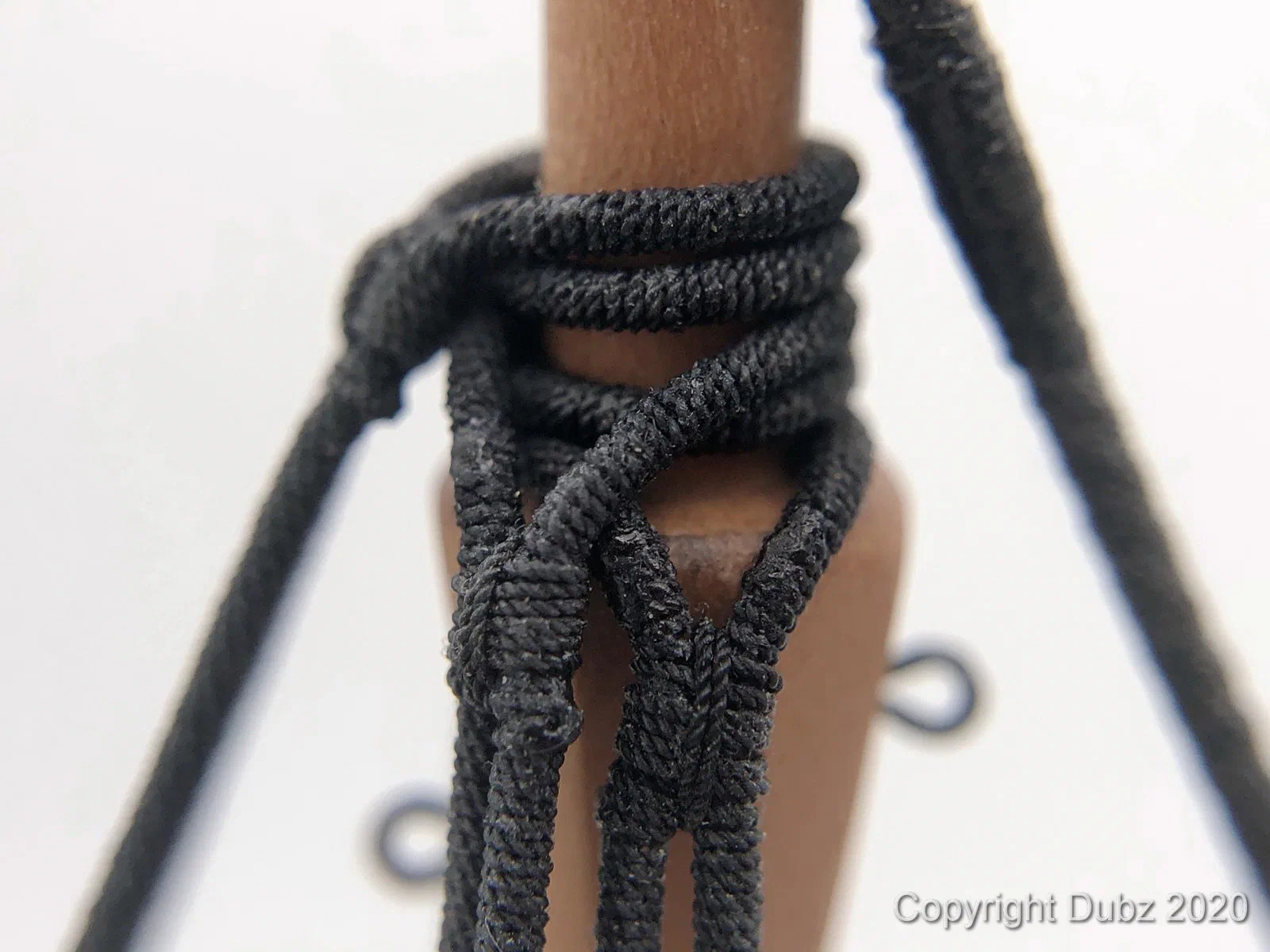
Between the stages of the standing rigging I built the case. Then came deadeyes and shrouds, the stay with its deadeyes and the stays of the bowsprit.
Running rigging
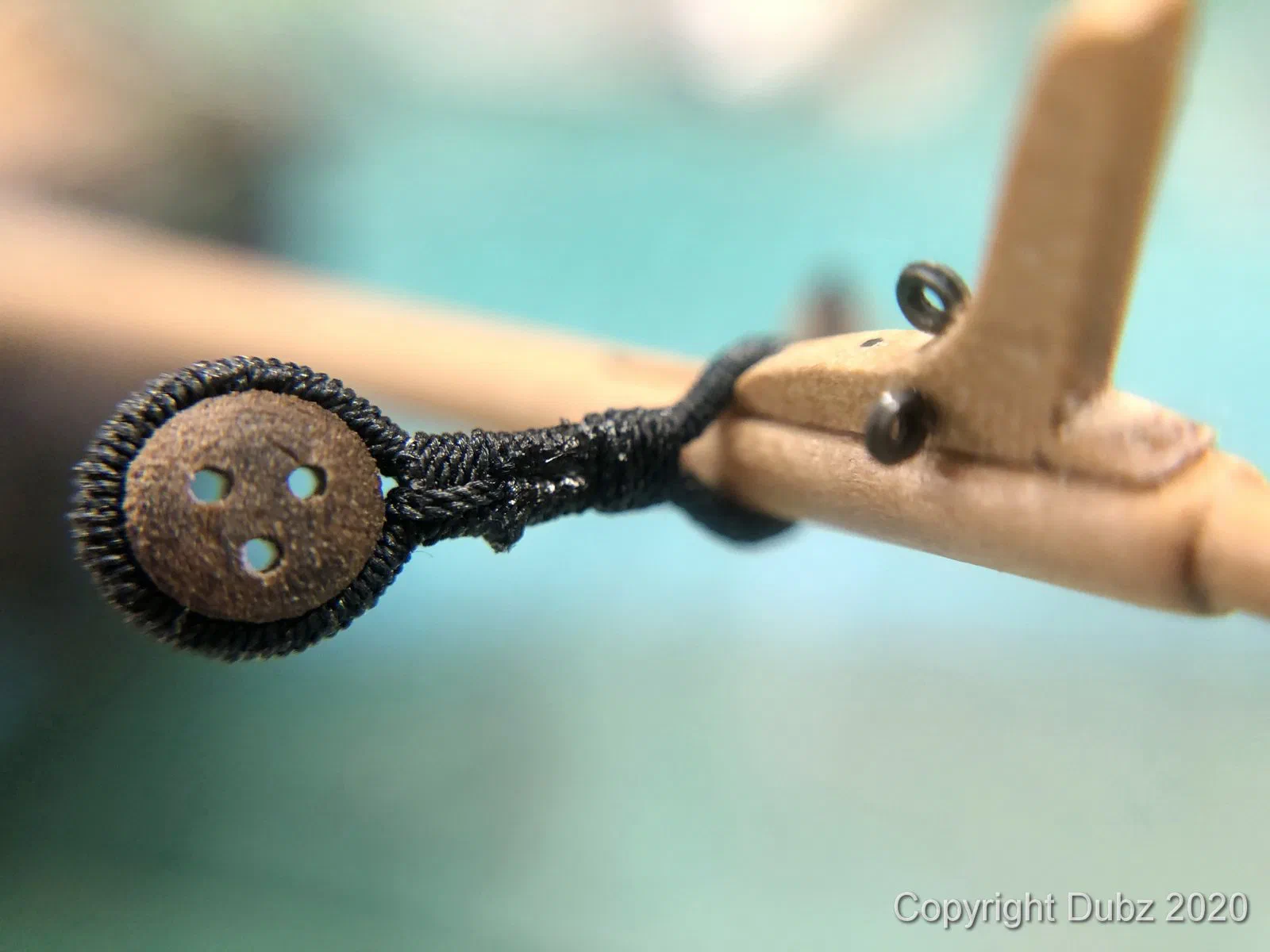
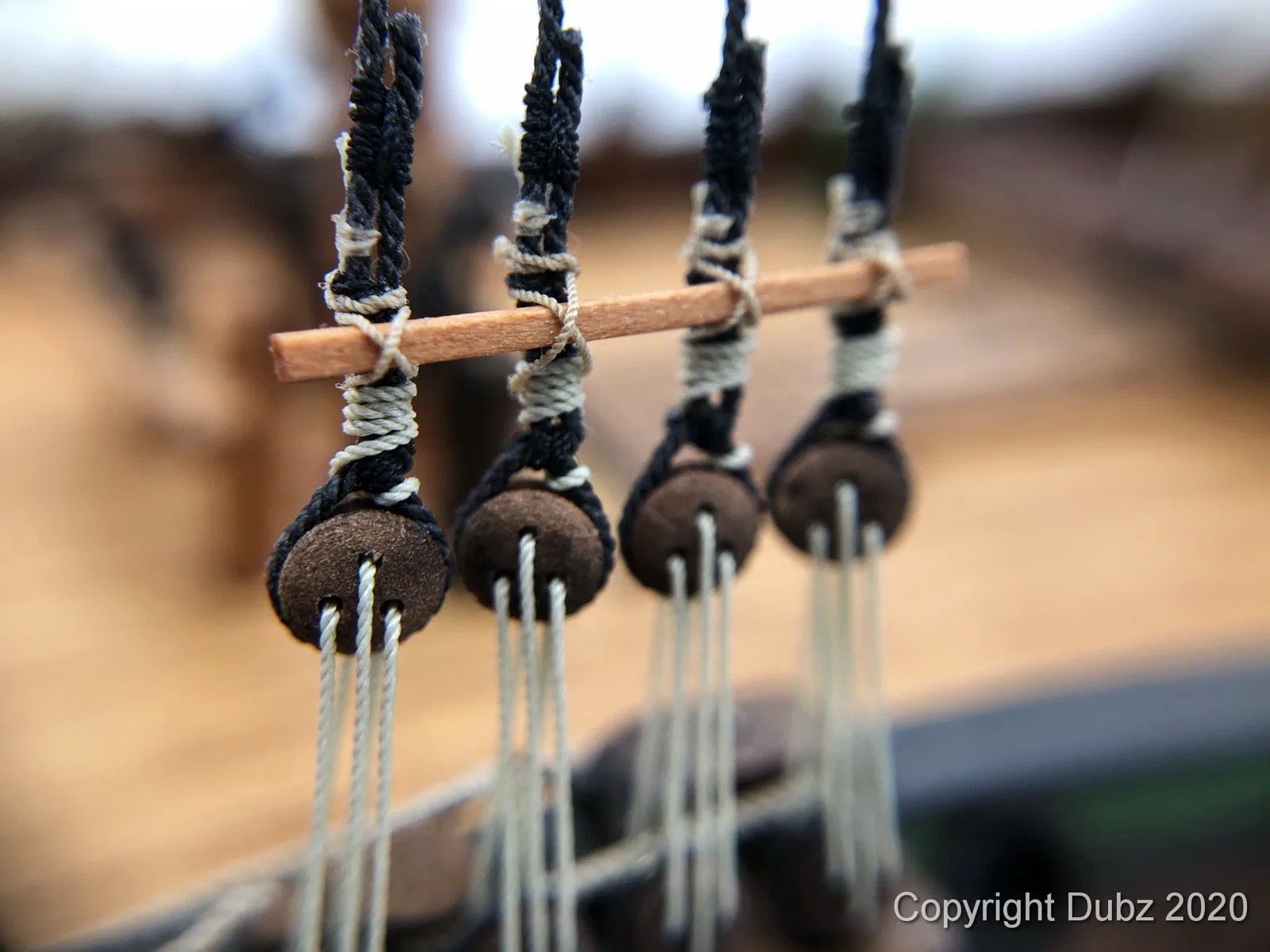
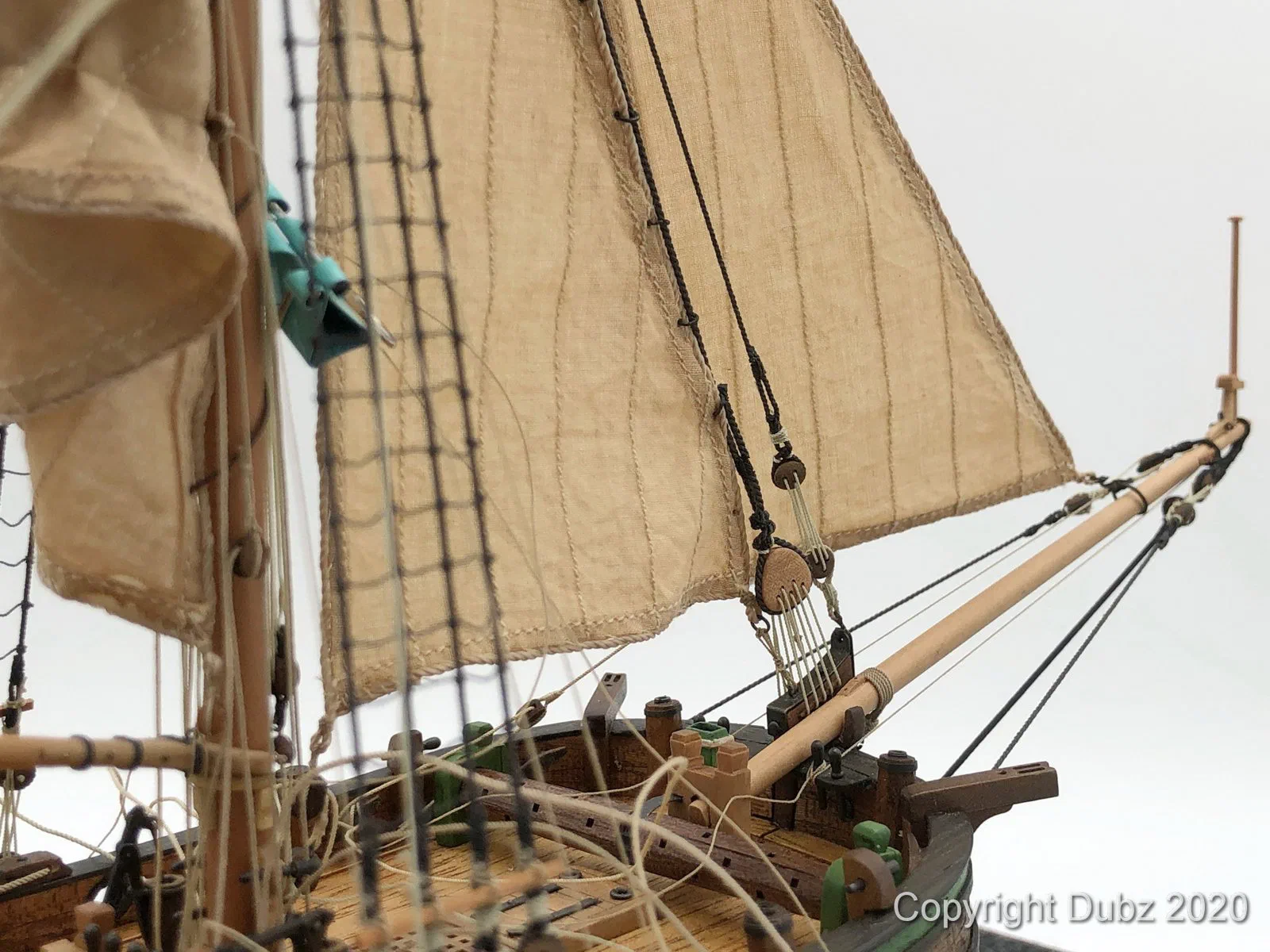
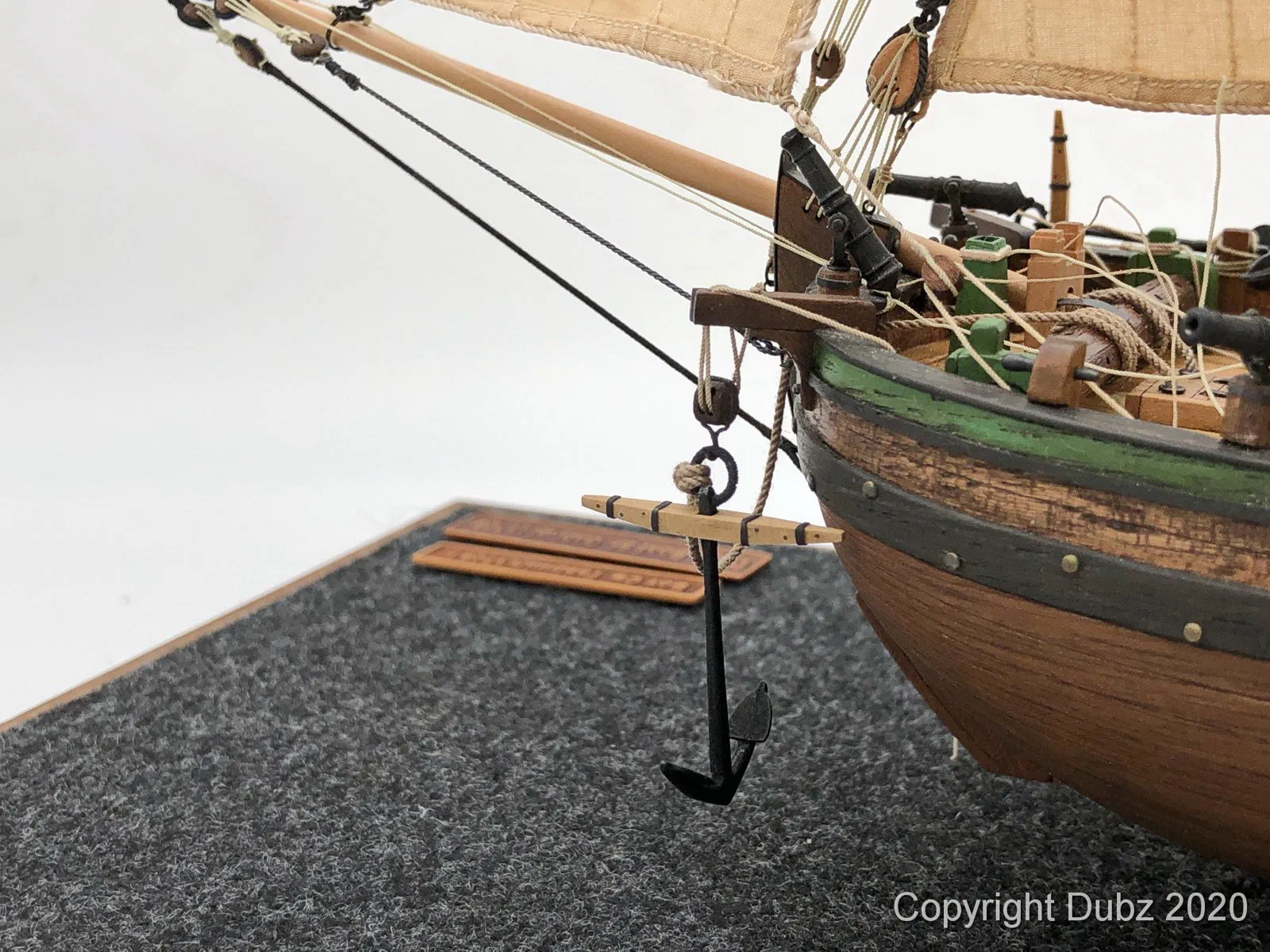
I chose to show the mainsail reefed, even though the sail cloth is a bit rough and a little out of scale – the usual problem. Bowlines and anchor followed, the bowlines slightly simplified. The reefing lines on the mainsail were the last job I kept avoiding.
The jolly
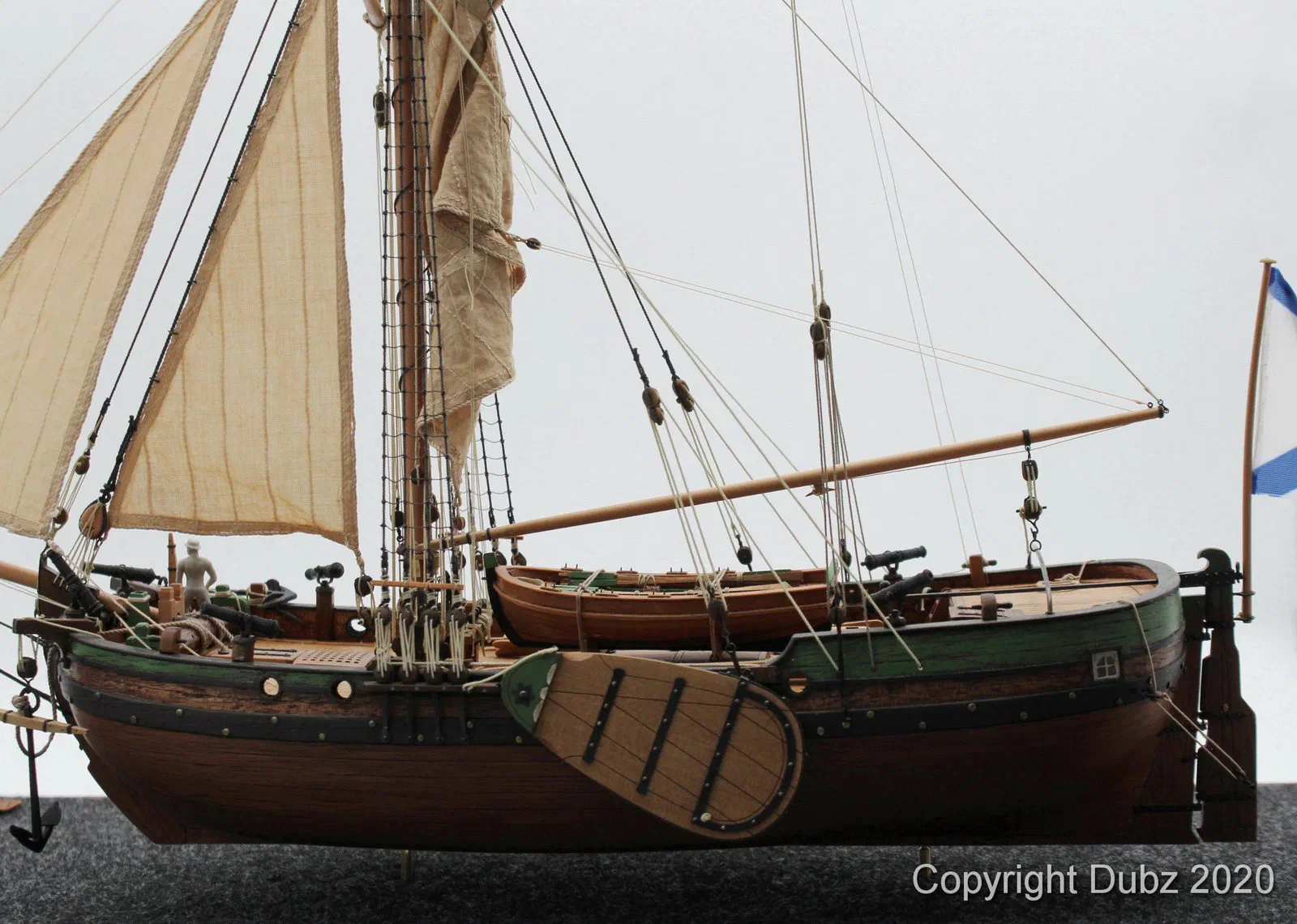
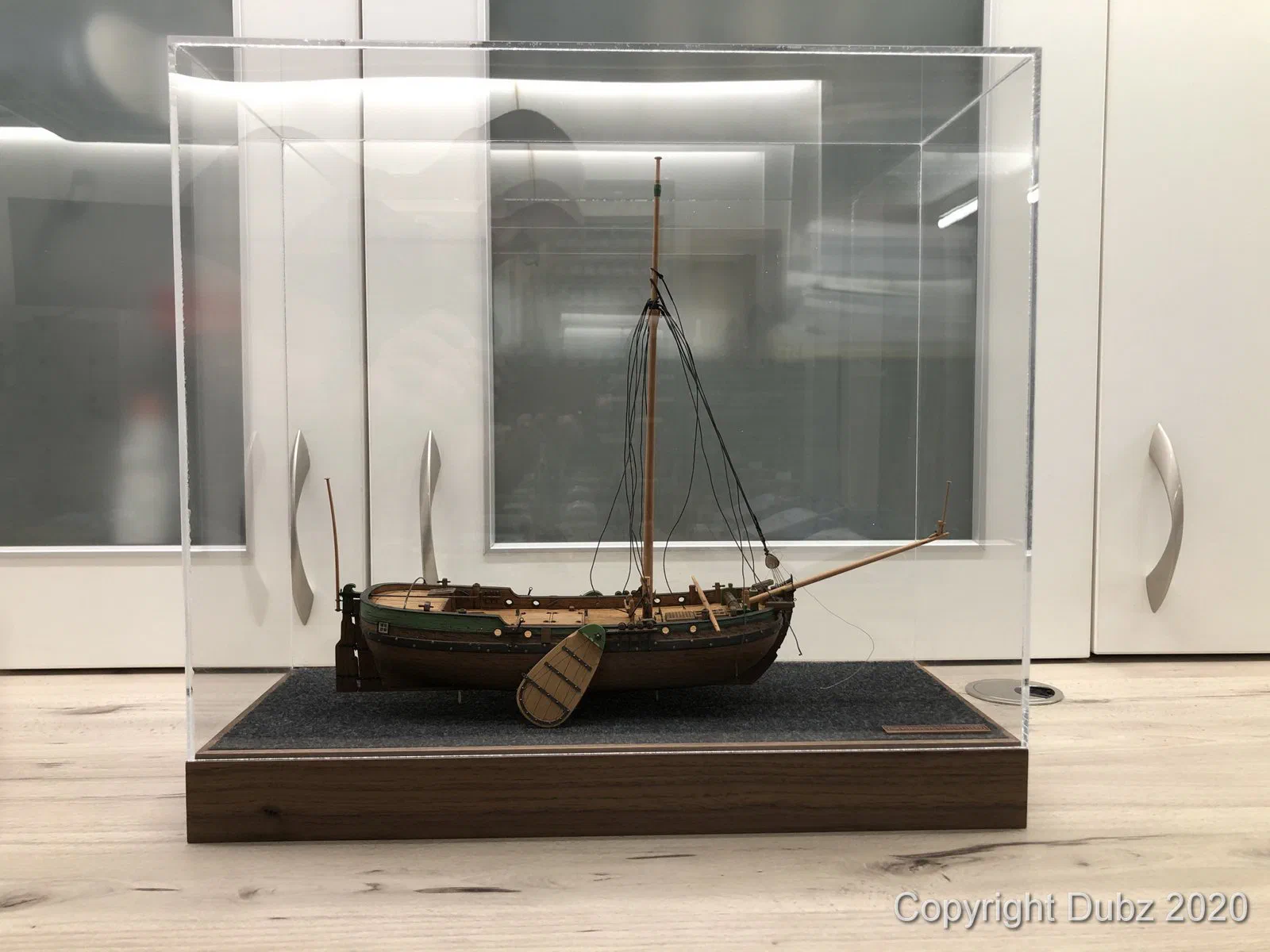
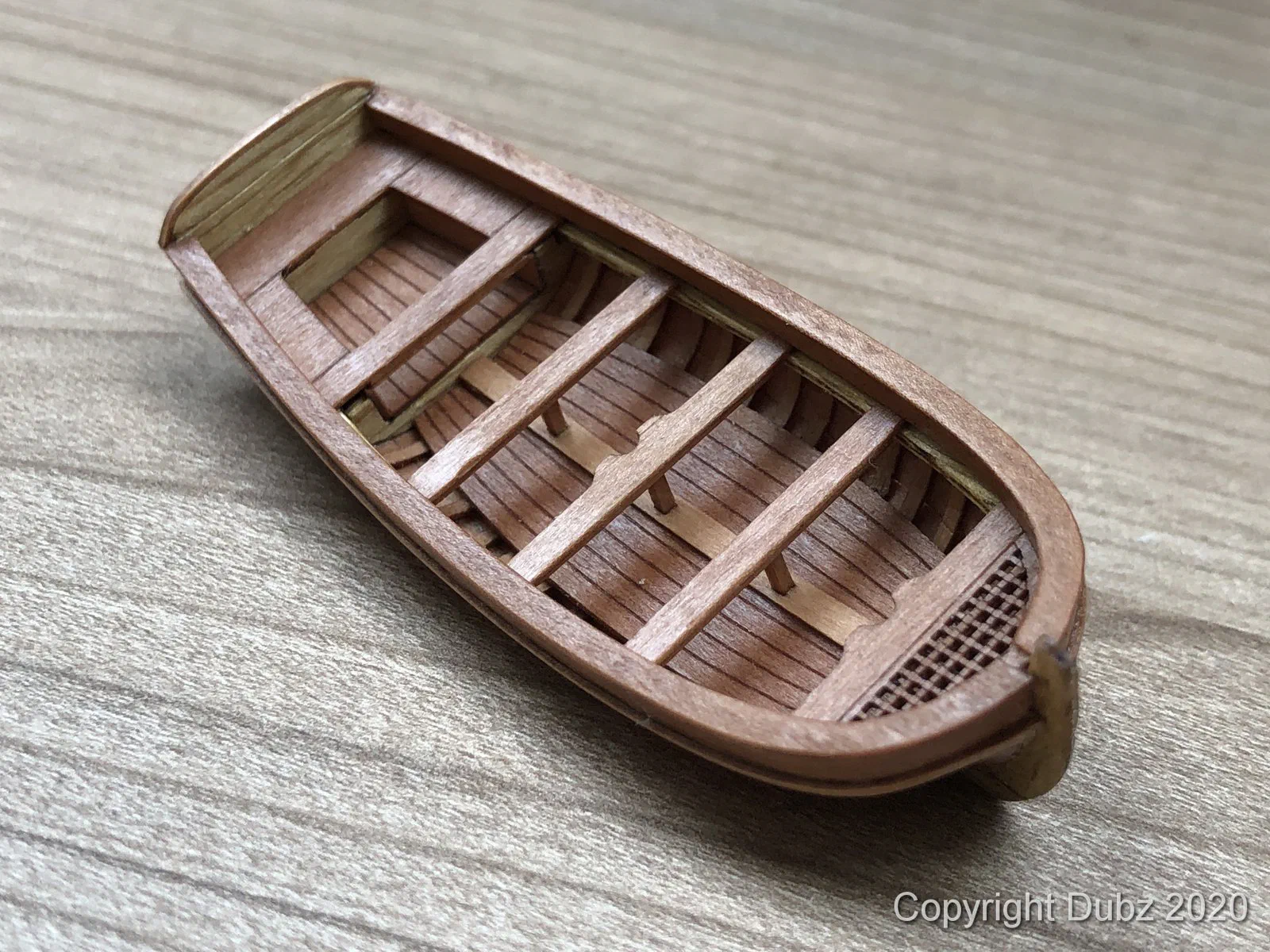
The last piece was the jolly, the small boat that rides on deck. With her in place, the St. Gabriel was finished in July 2020.
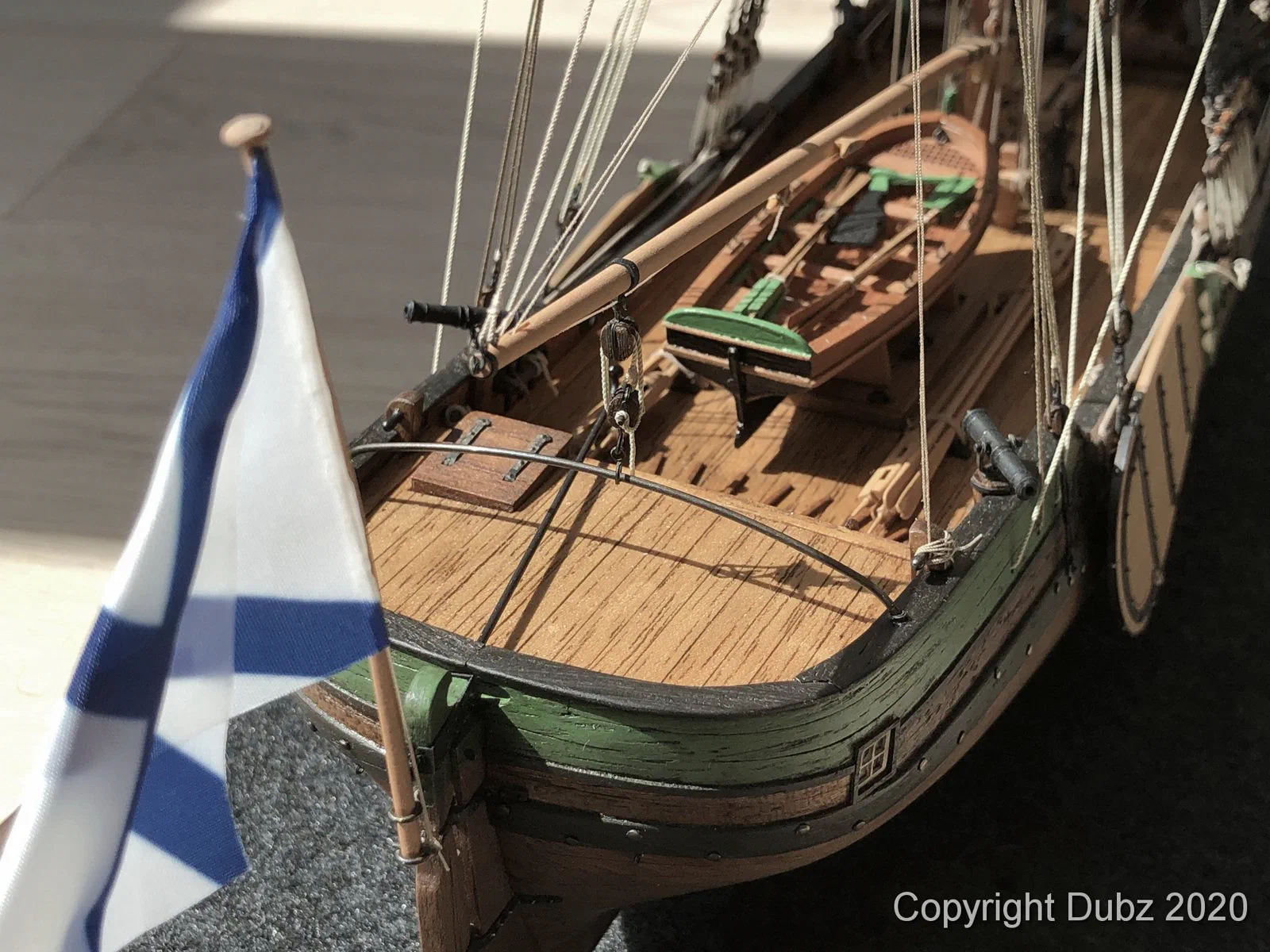
The finished model
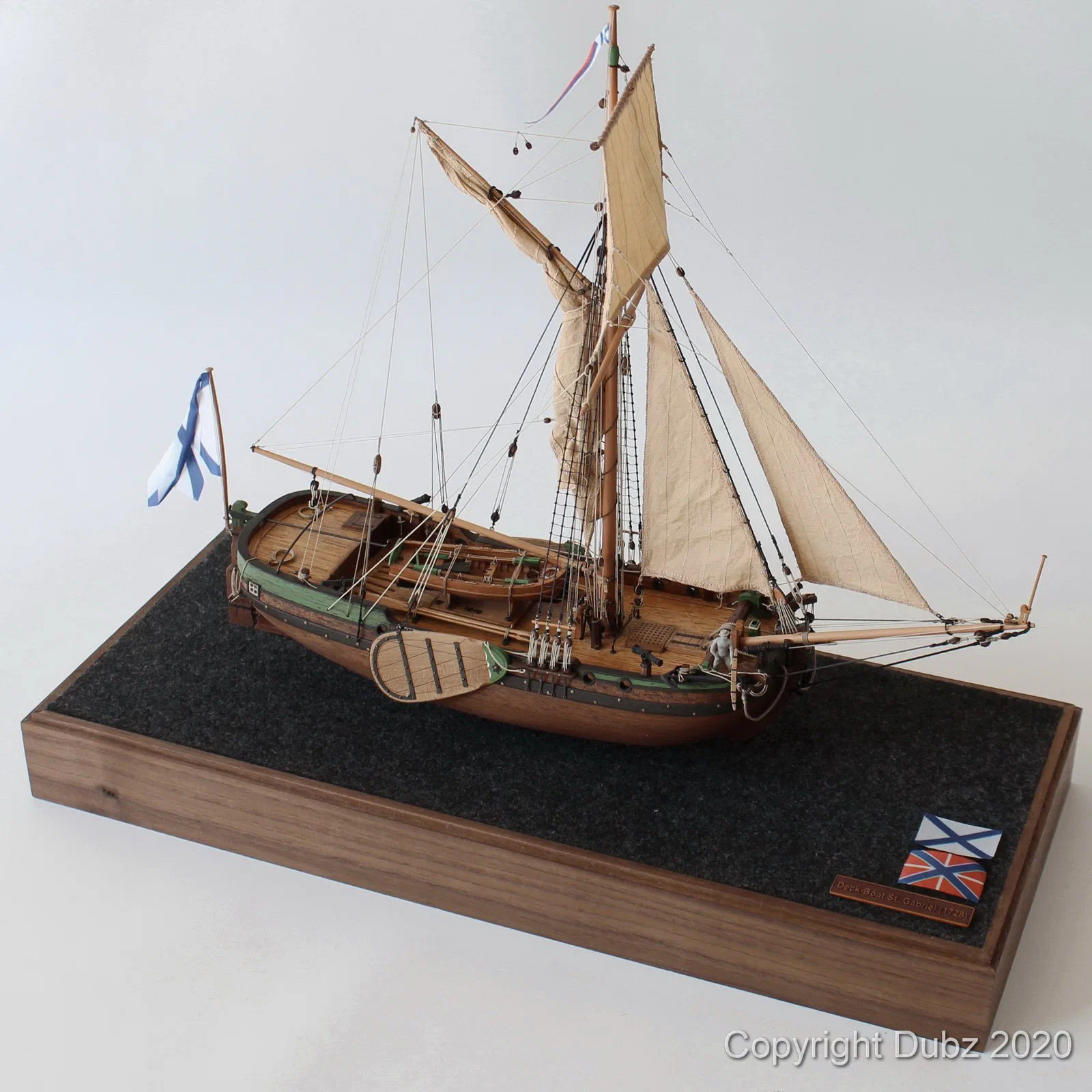
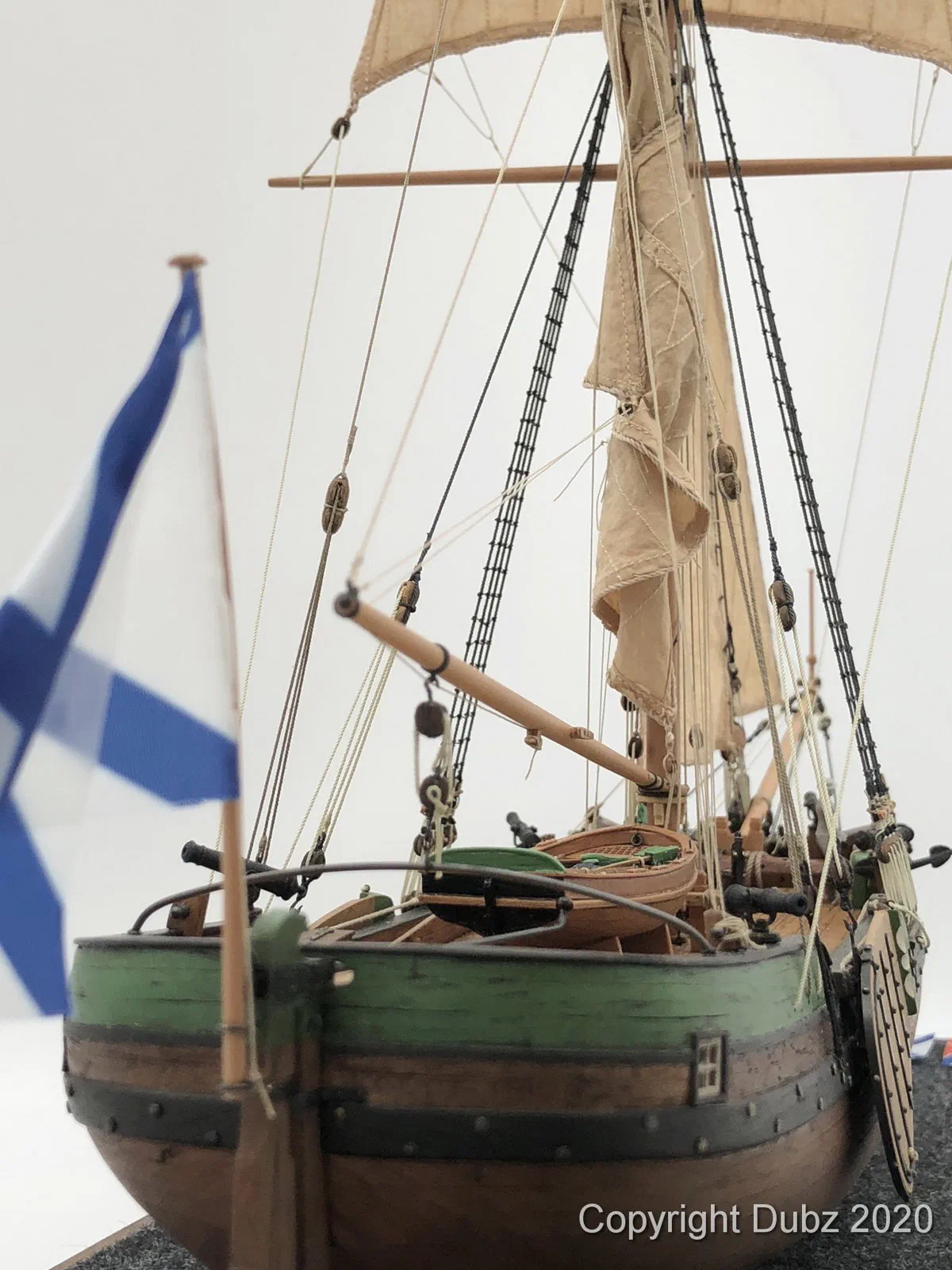
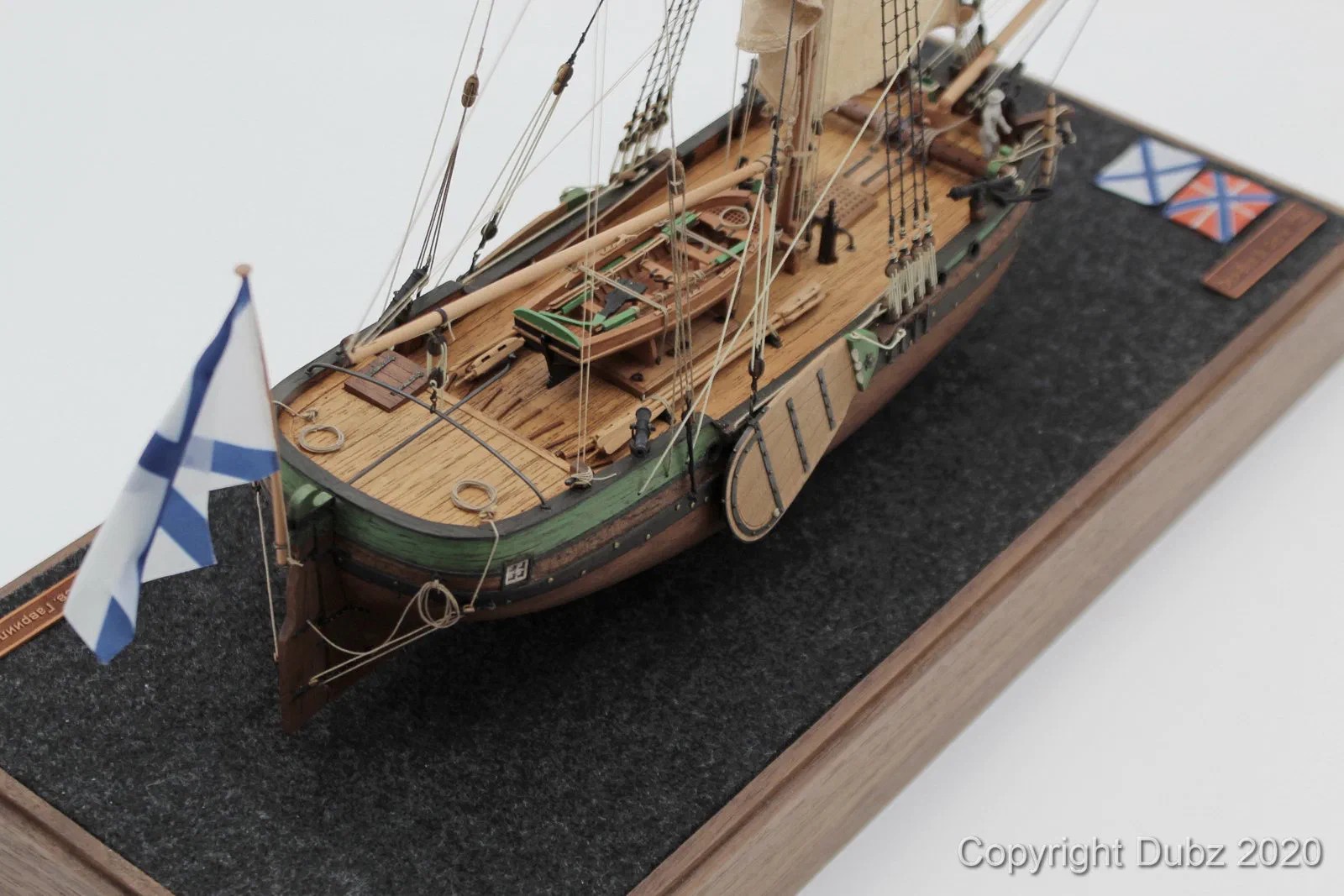
Awards
I like taking part in contests and being judged by real jurors – and it is a particular pleasure when a small boat gets attention. There is no need to always build the big ones. The St. Gabriel did remarkably well:
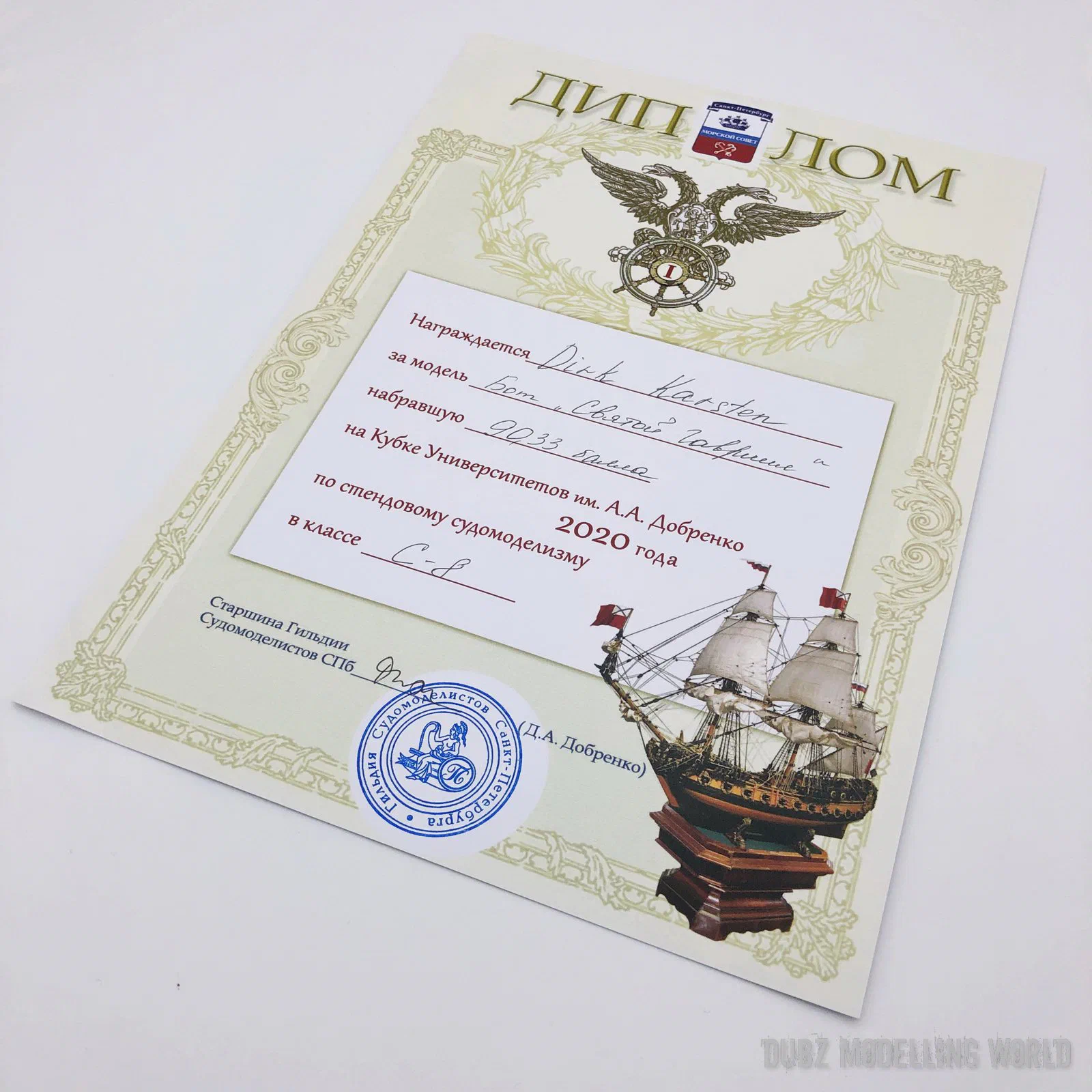
- 4th place, Russian University Cup 2020 (Кубок Университетов 2020). My thanks to Eugen of Master Korabel, who helped me take part – this place belongs to Master Korabel and their kits as well.
- Silver Medal, online contest of the CMT – Centro Modellistico Torinese (2021).
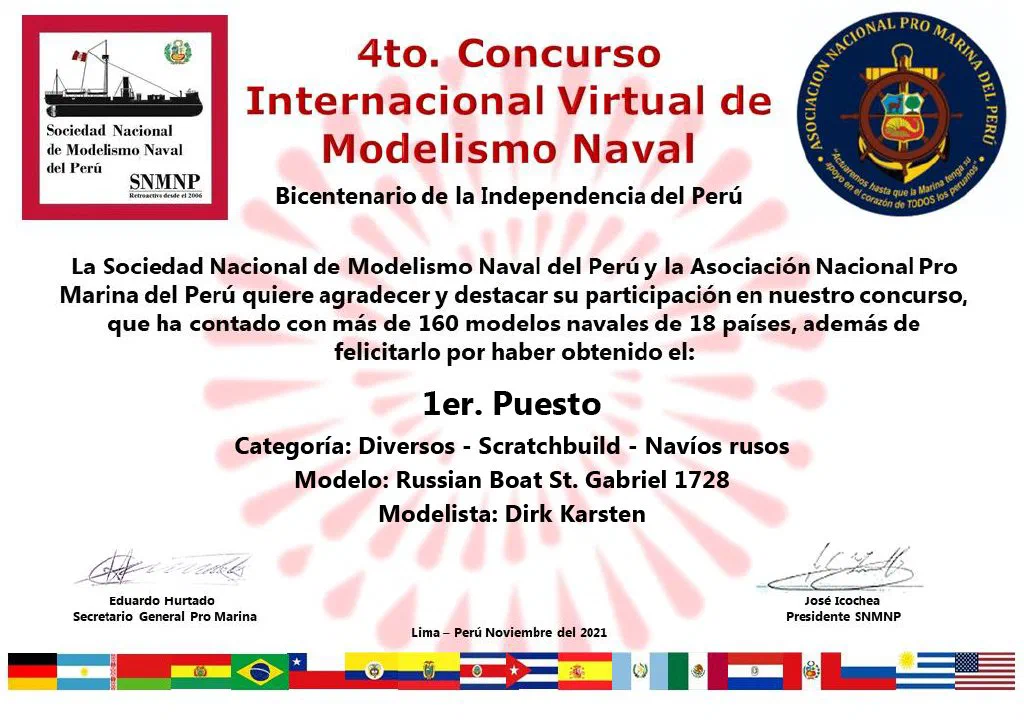
- 1st place, category “Russian Navy”, 4th Concurso Internacional Virtual de Modelismo Naval of the Sociedad Nacional de Modelismo Naval del Perú (2021).
- 2nd place, Lockdown 2021 contest.
- 6th place, FRIGATE-2021 competition, with 91.67 points – the maximum possible for a model with just one mast.
Most of these were online contests: you send photos and a description of your work, and the jury judges from those. The FRIGATE result in particular showed me that even a kit model can score with demanding jurors.